





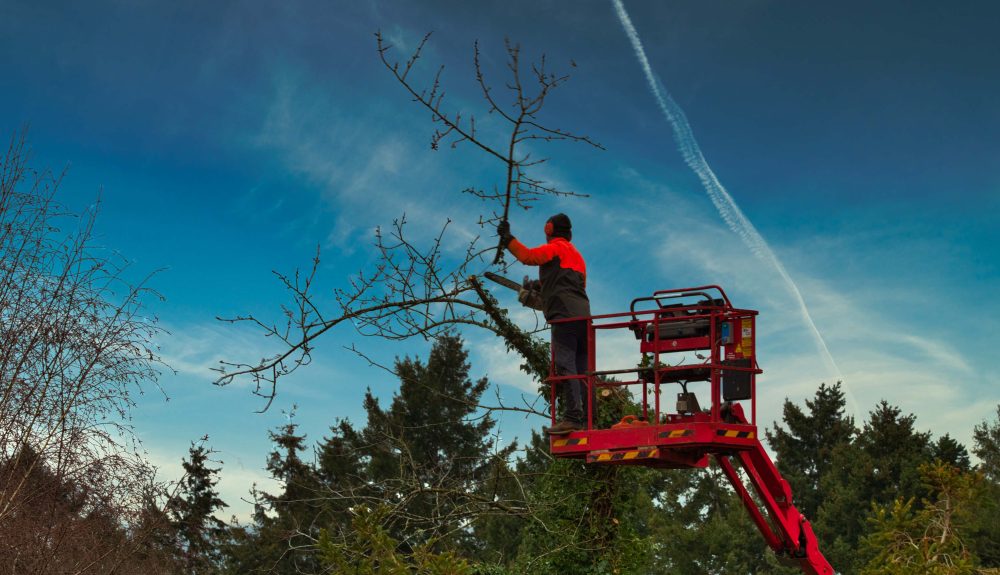
Power, precision, planning, and above all, safety—these things define using a crane for tree removal. Whether you’re an experienced crane operation arborist or new to the process, mastering arborist crane safety is non-negotiable. A misstep can lead to injuries, property damage, or worse. Understanding crane safety for tree removal, including proper landing zone setup and cutting techniques, is key to reducing risks and keeping everyone on-site protected.
The Role of Cranes in Arboriculture
Cranes provide arborists with an efficient way to remove large trees or heavy branches that would otherwise be too dangerous to cut manually. However, operating a crane in a tree removal setting is entirely different from traditional construction work.
Factors like tree weight distribution, weather conditions, and proper use of arborist crane cutting techniques make all the difference in a successful, safe operation.
Setting Up a Safe Crane Landing Zone
Crane landing zone safety is the foundation of a successful operation. The landing zone is the area where cut tree sections are safely lowered to the ground. To prevent accidents, follow these steps:
- Select a Stable Location: The landing zone should be free from obstructions like vehicles, power lines, or structures.
- Communicate Clearly: Use designated arborist crane hand signals or two-way radios to ensure the crew and crane operator stay in sync.
- Establish Barriers: Set up cones, signs, or tape to prevent unauthorized personnel from entering the zone.
- Monitor Constantly: Conditions can change quickly. A dedicated spotter should always keep an eye on the area.
A well-prepared landing zone improves efficiency and minimizes the risk of damage or injury.
Mastering Arborist Crane Cutting Techniques
Precision cutting is critical when working with a crane. Arborists must ensure cuts are executed safely to prevent unpredictable swings or uncontrolled falls.
- Plan the Cut: Before cutting, analyze the weight distribution of the branch or trunk section being removed.
- Make Slow, Controlled Cuts: A rushed cut can cause sudden shifts in weight, making it harder for the crane operator to control the load.
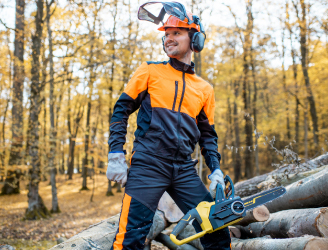
- Use Proper Chainsaw Techniques: A clean, well-placed cut ensures smoother lifting and transport.
- Communicate with the Crane Operator: Never assume the crane is ready—confirm with radio communication before making the final cut.
Arborist Crane Hand Signals: The Language of Safety
Effective crane operation arborist work relies heavily on communication. While radios help, arborist crane hand signals remain a crucial backup in noisy or emergency situations. Some of your crew might be well-versed with these, but for others, having a checklist pasted within view might enable smoother communication and less confusion. You don’t need anything fancy, just the basic information.
You could paste a list like this:
- Hoist Up/Down: Signals to raise or lower the load.
- Swing Left/Right: Directs the crane boom’s horizontal movement.
- Boom Up/Down: Adjusts the height of the boom arm.
- Emergency Stop: A rapid, arm-crossing motion that halts all crane movement immediately.
The bottom line is this: All workers should be familiar with these signals to ensure seamless communication on-site and arborist crane safety.
Training and Certification: The Key to Safe Operations
Crane operation arborist work requires skill and certification. Professional training programs ensure that both arborists and crane operators are equipped with the latest safety knowledge. There’s what you need for basic OSHA: (Occupational Safety and Health Administration) Compliance, of course, but you can do more.
-
Regularize Training
- Host a monthly brush-up of safety protocols, hand signals and SOPs. No accidents can breed complacency.
Pro tip: Make it short, this is just a revision to keep things top of mind. 15 to 20 minutes should suffice.
- Make it mandatory to ensure participation (penalize non-participation)
- Gamify the session to create excitement and enthusiasm
-
Incentivize Whistleblowing
- Encourage the team to look out for each other’s safety
- Empower workers at any level to call out, or take charge of safety procedural lapses onsite, if the designed task owner is not taking instructions seriously
- Create a process for safe, anonymity-guaranteed whistleblowing around carelessness or outright flouting of safety rules.
-
Streamline Onboarding
Sector newbies and freshers can bring renewed enthusiasm (and lower costs) to your operation. That said, they are also a safety risk. Fortunately, today, you can train them in a risk-free VR set-up. Of course, VR costs are prohibitive, but look around for free resources, including gamified training. OSHCE (Occupational Safety and Health Continued Education) offers some free AR/VR-based training resources for arborists.
Why Insurance is Essential for Arborist Crane Work
Even with the best training and preparation, accidents can still happen. Tree care is risky work (get a tree care risk checklist here). That’s why having good insurance coverage is a must for any tree care business utilizing cranes.
What to look for in a policy:
- Liability Coverage: Protects against damage to property or injury to third parties.
- Worker’s Compensation: Ensures your team is covered in case of an accident.
- Equipment Coverage: Cranes are expensive—protect your investment from damage or theft.
Crane Safety and Beyond: TreePro Insurance for Comprehensive Protection
With over 35 years of experience in the industry, TreePro provides tailored coverage and various advantages to safeguard your business from risks like property damage, injuries, theft, liability claims, and crane-related accidents and injuries.
TreePro offers specialized coverage for:
- Tree Pruning & Removal
- Utility Line Clearance
- Workers’ compensation (because accidents can happen not just with cranes, but also with chainsaws, slips and falls, not to mention the collective toll that extended hours of physical labor can have on the body over time)
- Liability & Equipment Coverage
- Vegetation Management & Plant Health Care
Unlike many other policies, TreePro Insurance also covers high-risk exposures, including crane and boom operations, ensuring your team and equipment are protected where it matters most.
Don’t let unexpected setbacks put your business at risk. Ask your broker to connect you to TreePro today and get the coverage you need. Contact NIP Group here.
FAQs
Why is crane safety important for tree removal?
Crane safety is crucial in tree removal to prevent accidents, property damage, and injuries. Proper training, clear communication, and following safety protocols like landing zone setup and precise arborist crane cutting techniques ensure a smooth and secure operation.
What are the key safety measures for operating a crane in arboriculture?
Essential safety measures include selecting a stable landing zone, using proper arborist crane hand signals, maintaining clear communication with the crane operator, and ensuring all team members are trained in correct cutting techniques to minimize risks.
Does TreePro Insurance cover crane operations?
Yes! TreePro Insurance specifically covers high-risk exposures like crane and boom operations, protecting your business from liability, property damage, and equipment-related risks.
What insurance coverage is essential for arborists using cranes?
Arborists should have general liability, workers’ compensation, equipment coverage, and business property insurance to safeguard against accidents, injuries, and potential damage to expensive machinery like cranes.
How can I get TreePro Insurance for my tree care business?
You can connect with a TreePro Insurance specialist through NIP Group to get customized coverage that fits your business needs. Reach out today to ensure your operations stay protected from unexpected setbacks!