








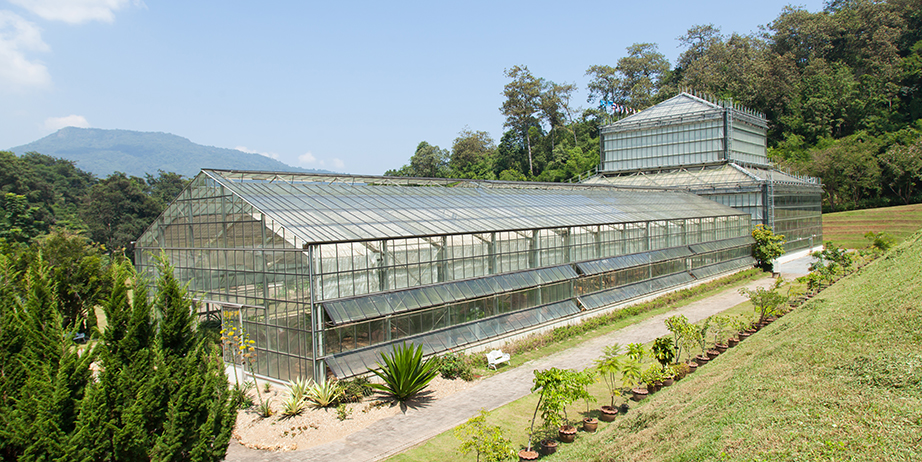
You landed on this blog because you’re ready to dig into one of the most exciting and rewarding industries in agriculture: commercial greenhouses.
Market studies indicate that the U.S. greenhouse market size, which was estimated at $2.92 billion in 2023, is projected to grow at a CAGR of 8.8% until 2030. Shrinking arable land and environmental setbacks like groundwater depletion and soil degradation are affecting agriculture and food production systems. Greenhouse cultivation can help overcome these issues. Moreover, demand for fresh, local produce year-round also makes a greenhouse business potentially high-profit.
But like any venture, commercial greenhouse success starts with preparation. In this blog, we’ll walk through the essentials of starting a greenhouse business, and a resilient one at that. We’ll also talk about how to safeguard it against the unexpected. Let’s get growing.
8 Key Considerations For Your Greenhouse Startup
- The Foundation of Your Greenhouse Business: Location and Climate
Your greenhouse’s location isn’t just about real estate—it’s about sunlight, wind patterns, and accessibility.
Imagine investing in a picturesque rural plot, only to realize it’s shaded by mountains by midday or battered by storms that damage your structure. Other potential options include building greenhouses in areas prone to flooding or wildfires.
When it comes to location, keep this mini-checklist in mind:
- Assess microclimates
- Prioritize proximity to markets
- Secure permits early
What does an ideal location look like for commercial greenhouses? Well, look at it this way: A greenhouse near urban centers can slash transportation costs and connect you directly to restaurants, farmers’ markets, and eco-conscious consumers.
- Design and Technology: Building Smart from the Start
You know this, but it’s easy to forget: Your greenhouse is more than a shell. It’s a climate-controlled ecosystem. Skimping on ventilation or heating systems might save upfront costs, but it could leave you scrambling during a heatwave or frost.
You don’t want to opt for cheap plastic sheeting instead of durable polycarbonate, only to have to keep replacing it after it collapses under heavy snow. Invest in automation where it counts.
Similarly, when it comes to tech for your greenhouse business, you won’t regret investing in automated irrigation, energy-efficient LEDs, and sensors that monitor humidity. These aren’t just luxuries; they’re lifelines for consistency and scale.
- Crop Selection
Early missteps here can cost you dearly. For instance, it may seem like a good idea for commercial greenhouses to grow lettuce. Everyone needs lettuce, right? That may or may not be flawed, but what about other nuances? What if, for instance, local supermarkets are already saturated with lettuce from regional mega-farms? You can’t compete with those prices.
Step 1: Research Demand Before Planting
Start by identifying who will buy your greenhouse business’ crops and what they need. For a small greenhouse, this means:
- Visit buyers: Talk to chefs, grocery managers, and farmers’ market organizers. Ask: “What’s hard to source locally?”
- Analyze competitors: Scout nearby farms, CSAs, and stores. Are tomatoes oversupplied? Is there a gap in organic herbs or Asian greens? Pro tip: Make a fixed list of market research questions and take it out there as you scout. Then use any LLM (like ChatGPT) to draw insights from the data.
- Leverage USDA data: Use free tools like the USDA’s National Agricultural Statistics Service (NASS) to track crop trends in your state.
- Test small batches: Grow trial quantities of 2-3 crops and pitch samples to potential buyers. Their feedback is gold.
Step 2: Diversify Strategically
Once you’ve mapped demand, diversify the crops you grow at your commercial greenhouse to mitigate risk. High-value niches like microgreens, ginger, edible flowers, and dwarf citrus trees can command premium prices, but only if your market wants them.
Step 3: Rotate and Innovate
Rotate crops annually to prevent soil depletion—swap heavy feeders like leafy greens with light feeders like beans. Stay agile: Experiment with trendy crops (e.g., turmeric, hops, or ornamental peppers) in small sections of your greenhouse, scaling up only after confirming sales.
Hard truth: Market research isn’t a one-time task when it comes to commercial greenhouses. Your crops need to evolve with your customers’ appetites. This means that you’re going to have to revisit the above three steps quarterly.
- Market Strategy
A common pitfall is assuming demand will materialize simply because you’re growing quality crops. For example, “targeting restaurants or grocery stores” without establishing relationships early can leave you with unsold inventory.
Give yourself time to do this, and build resilience. This is the sales component of your greenhouse business. It’s crucial, but can also be frustrating. Explore pre-sales through CSA subscriptions, farmers’ markets, or partnerships with regional distributors. Take time out to find out who makes vendor partnership and procurement decisions.
If you are indeed left with unsold inventory in the early months of running your commercial greenhouse, turn it into market outreach and send out samples while produce is still fresh. Differentiation is critical: highlight organic certification, hyper-local sourcing, or unique varieties.
- Pest and Disease Management
Outbreaks can devastate yields quickly. It may be tempting to skip pest control in your commercial greenhouse’s early months when you’ve got too many invoices, too much work and too much on your mind. However, skipping routine pest monitoring or hygiene protocols, for instance, might lead to infestations that spread before they’re detected.
Prioritize integrated pest management: introduce predator insects like ladybugs, enforce strict sanitation, and isolate new plants. Organic treatments also align with eco-conscious branding, but consistency matters more than any single tactic.
- Financial Management
Even if you’ve been a grower for decades and are switching over to a greenhouse business, estimating expenses in a new setupis always going to be a challenge. You may not anticipate how winter heating or unexpected equipment repairs can strain budgets.
Here’s what you can do
Step 1: In the first two years after starting your greenhouse business, secure and keep aside contingency funding. You may be tempted to pump this capital into the business, but call it your safety net. (You can also achieve this through insurance. More on this in point 8.)
Step 2: Track every cost—labor, utilities, maintenance—so that from the third year onwards, you know what you’re dealing with.
Grants for sustainable practices or agribusiness loans can bridge gaps, but proactive planning is irreplaceable.
- The Sustainability Angle
Sustainable practices aren’t just ethical, and popular among younger patrons. They represent expenditure savings for commercial greenhouses!
Rainwater systems reduce utility bills, while composting cuts waste disposal costs. Solar investments, for instance, can offset energy expenses over time, freeing capital to reinvest in your operation. Align these efforts with your marketing to attract buyers prioritizing eco-friendly sourcing.
- Identify and Hedge Against Business Risks
Let’s be real—even all the perfect planning we have outlined in the last 7 points, things go wrong at a greenhouse startup or at any time in a commercial greenhouse’s business lifecycle. A hailstorm shatters greenhouse panels. An equipment malfunction fries your hydroponic system. A customer slips on a wet floor (despite the wet floor sign), leading to a lawsuit. These aren’t hypotheticals; they’re real risks that can derail your business.
This is where insurance steps in. But not just any insurance, specialized, made-for-greenhouse-growers insurance: GrowPro. As specialists in commercial greenhouse and nursery coverage, we offer tailored solutions most general insurers overlook:
- Property & Crop Coverage: Rebuild after storms or equipment failures.
- Liability Protection: Shield against lawsuits from injuries or product issues.
- Equipment Breakdown: Cover costly repairs for climate control systems.
- Business Interruption: Replace lost income during closures.
With 35 years in the industry, GrowPro understands greenhouses inside and out, as you may have noticed from the hands-on insights we were able to offer you through this discussion.
We are also endorsed by AmericanHort and the National Hemp Association, and our A+ financial rating means you can count on us to come through with the monetary version of a rescue party when you need us.
In Summary:
Starting a greenhouse business is rife with risks, but with a little strategic investment and strategic planning, you can get a satisfying and profitable venture running. GrowPro can help you manage your risks while you focus on building and growing your greenhouse business. Ask your broker to sign you up for GrowPro. Safeguard your dreams.
FAQs
How do I choose profitable crops for my greenhouse business?
Research local demand via buyer interviews and USDA data. Diversify with high-value niches (microgreens, herbs) and test small batches first.
What are common risks for commercial greenhouses?
Oversupplied markets, pest outbreaks, and hidden costs like heating. Build buyer relationships early and track expenses meticulously.
What’s key when starting a greenhouse?
Location (sunlight, zoning), scalable tech (automation), and crop diversification. Prioritize market research over assumptions.
How can a startup greenhouse reduce costs?
Use rainwater harvesting, solar energy, and compost systems. Explore grants for sustainable practices and secure contingency funds.

