


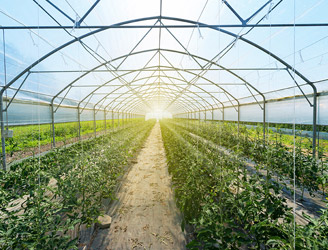



In the words of an agricultural engineer from the University of Connecticut, John Bartok, a 60-mph wind can create nearly 18,000 pounds of uplift on a standard 25-foot hoop house. That’s more force than most small tractors weigh.
Now imagine that happening in peak growing season.
As a grower, you can control a lot: soil pH, airflow, temperature, irrigation, staffing, and so much more. But you can’t control wind shear, unexpected hail, a leaking fuel line, or a customer slipping on wet concrete.
And when any of those things go wrong, the ripple effects are immediate. That is why you need complete protection.
This blog unpacks the real risks your industry faces. It also explores how the right insurance for plant nurseries and greenhouses helps you keep growing, even when the unexpected happens.
Key Exposures That Insurance for Greenhouse and Nursery Businesses Must Cover
Greenhouse and nursery operations may look calm on the surface, but beneath the controlled environments and neat rows of plants lie a wide range of high-stakes vulnerabilities that most insurance policies aren’t built for.
Let’s break these risks down into three key exposure zones:
Property Risks
Your structures and systems are central to your business, but might be fragile by design.
- Glass panels, poly coverings, and hoop houses are vulnerable to wind lift, hail, and even minor equipment bumps.
- Environmental control systems such as HVAC, misting, lighting, and fertigation are complex, often unprotected, and difficult to replace quickly.
- Fire risk from fuel storage or wiring in an enclosed environment is often overlooked, but it is a real concern.
Liability Risks
Any time customers, vendors, or contractors set foot on your property, exposure follows.
- Slips on wet concrete, tipped carts, or even allergic reactions to a retail space plant—these can trigger claims.
- Contamination events tied to hemp/CBD or plant sales in your nursery open the door to product-related liability insurance.
- If you also run seasonal events, workshops, or allow public access, general exposure increases significantly.
Operational Risks
The day-to-day includes plenty that can go wrong internally:
- Equipment malfunction can delay an entire grow cycle
- Delayed shipments or delivery damage tied to partner transport
- Employee injuries from repetitive strain, sharp tools, or heat exposure
- Cyber breaches hitting POS systems or customer lists, especially for retail operations
These risks aren’t theoretical. They’re the kind that can cost you a growing season, a major client, or a hard-won reputation.
Insurance Coverage for Nursery and Greenhouse Businesses
Most greenhouse and nursery operations are insured, but very few are insured in their entirety.
Here’s what smart, industry-fit coverage will look like for you:
General Liability
Covers bodily injury and property damage claims from customers, vendors, or third parties. For nurseries with retail traffic, farmers’ market booths, or public events (like workshops or seasonal sales), this is foundational.
Notably, the policy should include medical payments coverage (a standard expectation in U.S. retail environments) and host liquor liability coverage if events involve alcohol, even if it is served informally.
Property Coverage
Standard property insurance may not cut it. Your policy should also extend to high-value operational assets, such as automated greenhouse systems, propagation benches, supplemental lighting, and temperature or humidity controls.
In states like California or Colorado, coverage should also reflect wildfire risk or region-specific exclusions for wind/hail, which many off-the-shelf policies quietly add. Replacement value should reflect functionality, not just square footage.
Product Liability
If you sell hemp, ornamental plants, or starter crops (even at small volumes), this protects you from claims tied to allergic reactions, mislabeled species, or improperly grown goods.
This is especially important in states with CBD or hemp regulatory frameworks, where compliance errors can lead to both legal and insurance complications.
Inland Marine & Equipment Coverage
Most greenhouses rely on mobile or portable equipment, including potting benches, trailers, displays, irrigation carts, shade structures, and delivery racks.
Inland marine coverage travels with them, whether you’re servicing a satellite site, attending a weekend sale, or lending out a rental trailer.
It should also cover theft from non-locked structures and partial coverage for third-party transit, which is often excluded unless explicitly written in.
Workers’ Comp & Employment Practices Liability
Seasonal hires are common in nurseries, but they also tend to receive less training, work under tighter timelines, and cycle in and out faster. That combination can increase both injury rates and employment-related claims.
EPLI coverage matters, especially in today’s regulatory environment, protecting you if a short-term employee alleges wrongful firing, discrimination, or wage-hour violations, all of which are on the rise in U.S. seasonal labor sectors.
And workers’ comp insurance ensures that your nursery is protected from lawsuits or state penalties if someone strains their back lifting a soil bag or slips while watering plants under hot conditions.
Pollution, Cyber, and Commercial Auto
Chemical runoff, herbicide overspray, or improper storage of fertilizers could result in pollution claims, especially with local environmental regulations tightening across U.S. states.
Cyber insurance protects your POS systems, customer data, and vendor records, especially as more garden centers move to online ordering.
If a breach is traced back to your system and it’s found that security protocols were weak, you could be on the hook for regulatory fines, lawsuits, and cleanup costs.
Small businesses are often targeted because they’re not expected to have enterprise-level defenses, so if you’re one, you need liability insurance for your plant nursery.
And if you’re delivering in company-owned or employee vehicles, commercial auto is a non-negotiable. Not just for accidents, but also loading/unloading liability, which personal auto won’t touch.
GrowPro: To Grow Your Business with Confidence, Not Uncertainty
We understand. You’re managing temperature-sensitive infrastructure, live inventory with fluctuating value, public-facing spaces, and a rotating workforce. All while trying to stay compliant, profitable, and prepared.
That’s why we created GrowPro—a specialty insurance for nurseries, greenhouses, hydroponic systems, and garden centers.
With over 35 years of experience supporting the green industry, we understand what off-the-shelf coverage leaves out, and we’ve built GrowPro to fill those gaps with purpose.
Here’s what GrowPro brings to the table:
- General & Auto Liability designed for customer-facing and delivery-heavy operations
- Specialized Property Coverage for glass structures, grow systems, and climate controls
- Product Liability for growers handling live plant sales, hemp, or CBD
- Inland Marine for mobile equipment, displays, and pop-up retail assets
- Workers’ Comp & EPLI for seasonal crews and hiring fluctuations
- Contractors Pollution Liability to address runoff, storage, and chemical exposure
- Cyber Liability built for retail garden centers and customer data
- Umbrella Liability to support scaling operations
GrowPro also includes targeted endorsements like:
- Hydroponic Endorsement for water-based growing systems
- Growing Stock Endorsement that adjusts for the dynamic value of live inventory
- Agricultural Property Endorsement designed to match your infrastructure, not a standard building template
As you expand into new markets, experiment with vertical growing, or adopt smart climate technology, GrowPro evolves with you.
Ask your insurance broker to sign you up for GrowPro, or contact us to learn how we can help protect your future. One growing cycle at a time.
FAQs
- What is the best insurance for greenhouse and nursery businesses?
The most complete insurance solution for growers, garden centers, and nursery operators is GrowPro. It’s specifically designed for the plant nursery industry, covering everything from property to pollution and seasonal staffing needs. - Which insurance coverages should a plant nursery have in place?
A nursery requires tailored coverage that extends beyond buildings. You’ll want policies that include growing systems, mobile equipment, and retail areas, as well as coverage that reflects how your nursery operates, not just what it looks like on paper. - Do plant nursery owners need product liability coverage?
Yes. If you sell plants, seeds, or hemp-based products, product liability is essential. It protects your nursery from claims tied to contamination, mislabeling, or allergic reactions, which are common risks when selling live or regulated inventory. - Do I need liability insurance if I run a backyard plant nursery part-time?
Absolutely. Even a backyard plant nursery can be held liable if a customer trips, gets injured, or alleges harm from a product. Liability insurance for backyard plant nurseries gives part-time growers serious protection against costly claims.