




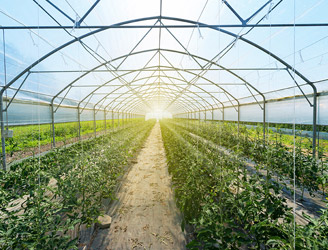



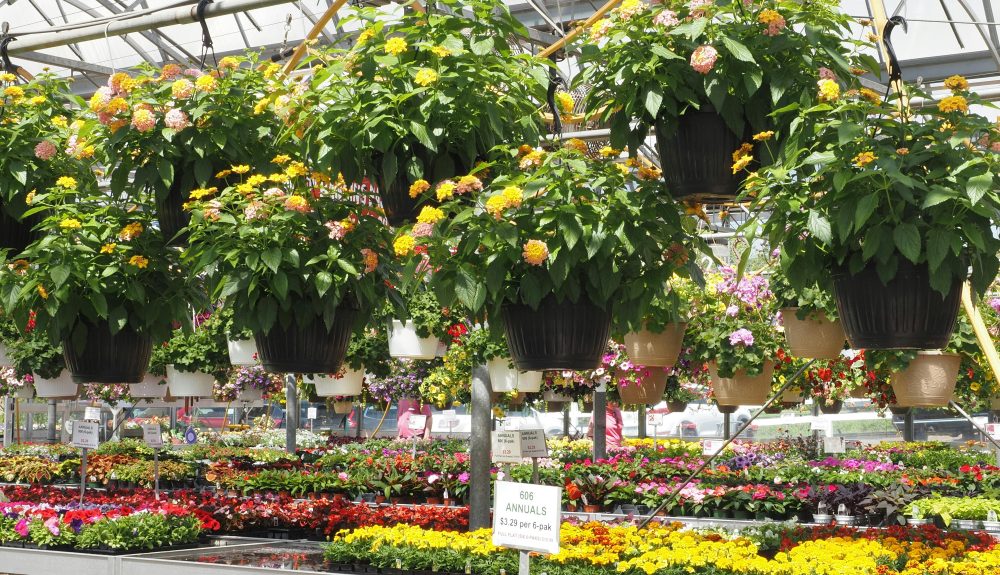
Greenhouses today are climate-controlled and tech-enabled. Moreover, they’re fully integrated into your supply chain, whether you’re growing specialty crops or supplying regional retailers.
But while your operations have evolved, your insurance may not have kept up. And in 2025, that gap might be costing you.
This is because of recalibrated risk models and new classifications that treat your greenhouse more like a production hub than just a growing space. It’s changing how insurance for commercial greenhouses is priced, and in some cases, whether a claim even qualifies.
Let’s break it down. This blog examines the key factors influencing 2025 premiums, highlighting the potential hidden gaps that may arise, and provides guidance on reassessing your coverage to better align with your business’s unique complexities.
Key Forces Shaping Insurance for Commercial Greenhouses
In 2025, premiums for greenhouse business insurance are determined using a combination of risk-based pricing and actuarial models, with core factors remaining similar to previous years but with more frequent adjustments for economic trends.
Climate Volatility is Priced into Every Line Item
For the first time in six years, global insured losses from natural catastrophes crossed $100 billion without a single $10B+ event. Instead, it was a steady stream of smaller, disruptive incidents.
Today, underwriting models factor in micro-trends:
- Your historical weather volatility, not just your zip code
- Shorter frost-free windows and extreme humidity swings
- Unseasonal downpours and storm clustering
If you grow specialty crops or rely on extended growing seasons, your exposure is higher. The same goes for operations without structural reinforcements or updated floodproofing.
Fewer Providers, Fewer Protections
The insurance landscape for greenhouse businesses is thinning. Some carriers are pulling out of the market entirely, while others are narrowing their offerings, dropping specific coverage areas, or increasing deductibles to offset risk exposure.
That means you’re paying more, but getting less in return. Critical protections like equipment breakdowns, business interruption, or spoilage losses may now require custom add-ons or separate endorsements.
Property Use Impacts Your Premium
If your greenhouse doubles as a packaging center or inventory hub, expect your risk profile to shift. What was once insured as a passive growing site may now require a stronger policy structure.
This change directly impacts your greenhouse property insurance, often resulting in updated coverage terms, higher premiums, or stricter compliance checks. So, make sure your policy matches your greenhouse’s full scope of activity.
Rise in Energy and Infrastructure Claims
Insurers are witnessing an increase in claims being filed due to equipment failure rather than crop loss.
Gas leaks from failed irrigation pumps or broken generators create internal problems.
This shift is driving changes in insurance for commercial greenhouses:
- More carriers now push for greenhouse business insurance plans that include equipment breakdown and business interruption coverage
- Policies are increasingly customizable, letting you add endorsements for rare risks
- Insurance premiums are influenced by the type of crops you need to protect and the level of automation in your facility
E-Commerce Is Reshaping Premiums
Selling plants online or offering local pickup? These retail-adjacent activities are prompting insurers to reassess risk and adjust premiums accordingly.
Many insurance policies for commercial greenhouses weren’t originally priced with these consumer-facing liabilities in mind.
So, what’s driving rate changes?
- Transit risk for goods being delivered to customers
- Liability exposure for on-site visits or roadside pickups
- Cyber threats tied to card payments and online stores
If your greenhouse operates on plant nursery insurance as well, insurers may reclassify your risk profile entirely. That can mean new coverage requirements or higher deductibles.
To avoid paying more (or worse, being underinsured), ensure your policy accurately reflects your operations in 2025 and beyond.
Technological and Sustainability Initiatives
Premiums today are shaped by the degree of forward thinking in your operation. Insurance for commercial greenhouses increasingly rewards businesses that invest in smart systems and sustainability.
For example:
- Remote sensors that detect heat spikes or leaks early
- AI-driven tools that optimize irrigation and reduce loss
- Environmental monitoring systems that track compliance metrics
If your greenhouse markets itself as sustainable or ESG-compliant, insurers may view you as lower risk. That can translate to discounts or flexible policy terms, especially under newer crop protection insurance models focused on claim prevention.
Bridging the Coverage Gaps That Are Driving Premiums Up
Today’s greenhouse operators are navigating the physical risks of growing as well as dealing with new liabilities from retail, tech, and sustainability integrations. Standard policies are failing to keep up with the same.
That’s where GrowPro’s deep-rooted expertise in horticulture business insurance works as a response to these overlooked pressures.
Whether you’re growing hydroponically or running a multi-use facility, the GrowPro program understands how varied (and vulnerable) greenhouse setups can be.
- Climate-responsive models that account for subtler events (e.g., irrigation system failures or frost curtain malfunctions)
- Coverage for complex greenhouse usage: propagation, packaging, DTC distribution, and more
- Advisory support for seasonal staffing, subcontractor risks, and fluctuating demand cycles
- Custom solutions for tech-forward growers using traceability systems and automation tools
Our coverages include everything from equipment breakdown and auto liability to umbrella and pollution liability. Ask your broker about GrowPro or contact us to see how we’ve helped growers just like you stay covered through the unpredictable.
FAQs
- Is a greenhouse considered commercial?
Yes, if it generates income, whether through crop sales, retail operations, or plant fulfillment, it’s typically classified as a commercial property. This affects how insurers assess risk and structure greenhouse property insurance policies. - What type of insurance will I need to run a small business?
At minimum: general liability, property, and workers’ compensation. For greenhouse businesses, consider greenhouse business insurance bundles that include crop protection, equipment breakdown, and business interruption coverage tailored to your operations. - Do I need product liability for selling plants?
Yes, if your plants or horticultural goods are sold to customers, especially online or wholesale, product liability helps protect against claims tied to allergens, contamination, or improper labeling. - Does greenhouse insurance cover storms and floods?
It depends; some standard policies may exclude coverage for natural disasters unless you add specific endorsements. Crop protection insurance or specialized greenhouse property insurance often includes weather-specific coverages; check limits and deductibles carefully.

