








Did you know that traditional agriculture already consumes 70% of the world’s freshwater? And nearly 40% of usable land?
For growers like you in the U.S., that reality must feel like a squeeze, with higher irrigation costs and shrinking margins. The math doesn’t add up for long-term growth.
That’s where a hydroponic system comes to your aid.
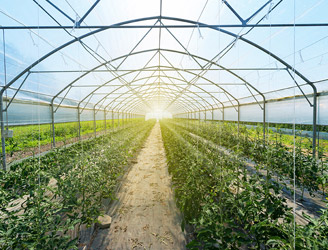
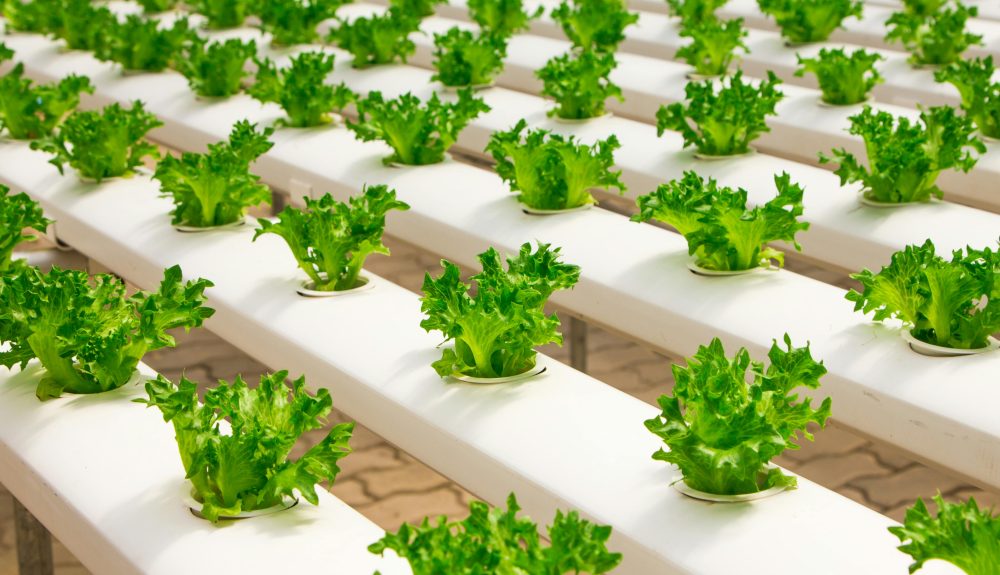
By removing soil from the equation and delivering nutrients, water, and light directly, hydroponics enables the growth of more with less (without pesticides) and often in vertical spaces that conserve land and labor.
For producers, that is an operational strategy that’s changing how food is grown and sold. This blog will explore how hydroponic systems are reshaping food production, and what it means for your business.
Why Traditional Agricultural Models Are Breaking Down
Population growth is hitting us hard. Nearly 9 billion people will need food by 2050, but our current systems aren’t ready for that demand.
Cities use most of our energy even though they cover just 3% of the land. They also create three-quarters of carbon pollution, and consume up to 80% of global energy.
Urban sprawl keeps eating up good farmland. Stricter environmental rules make things even tougher for traditional agriculture. A hydroponic growing system offers a way to produce more food while using less space and resources.
Hydroponic System Mechanics That Drive Efficiency
A hydroponics growing system basically cuts out soil and feeds plants through their roots instead. You get much better control over growing conditions than regular farming allows.
Bad weather and soil problems become less of an issue. Your crops grow more predictably, which helps with planning and sales.
The main benefits for business owners include:
- Water systems: These setups reuse the same water multiple times, cutting down on waste and irrigation expenses
- Space efficiency: Crops can be grown in vertical layers, so you produce more food in smaller areas
- Planning advantages: When growing conditions stay stable, harvest timing becomes more reliable for customer commitments
What Hydroponic System Business Gains You Can’t Ignore
The real appeal of a hydroponic system comes from solving headaches that traditional farmers deal with constantly. You won’t lose sleep over weather forecasts or scramble to find workers during harvest season.
Here’s how this changes your bottom line:
- You need fewer people to run the operation, which keeps payroll manageable
- Crops come in on schedule regardless of what’s happening outside, so revenue stays steady
- Plants grow faster than field crops, meaning you can sell sooner and adjust to market changes
- Buyers pay more for produce that’s grown without chemicals, especially grocery chains targeting health trends
- When suppliers know they can count on your deliveries, they’re willing to commit to longer contracts
How Hydroponic Systems Contribute to Sustainability and Consumer Angles
Sustainability is a market driver today. Retailers, distributors, and especially young consumers reward growers who demonstrate reduced chemical use and transport emissions.
Hydroponics allows you to grow with far greater efficiency. Compared to traditional agriculture, it uses less water, important as water becomes scarcer and costlier.
By delivering nutrients directly in a controlled setting, you also eliminate the need for pesticides, giving you a cleaner product that buyers are willing to pay a premium for.
What Would Be A Strategic Path Forward
You don’t have to abandon traditional farming to try a hydroponic system. Many farmers are running both systems side by side, which lets them learn without putting everything at risk.
Starting small makes sense financially, too. The upfront costs can be intimidating, but early adopters often get better shelf space and build stronger customer relationships before competition increases.
Money and expansion will challenge you along the way. However, the growers who move now usually end up with advantages that are hard for latecomers to match.
One thing people forget is insurance coverage. Your new equipment and facilities need protection that matches their value, especially as you grow larger.
Keeping Your Growth Secure in a Shifting Market
With a hydroponic system, you’re investing in infrastructure, in technology, and in your ability to stay competitive as environmental and consumer pressures mount. That kind of investment deserves protection that understands the realities of your industry.
Introducing GrowPro. With over 35 years of horticultural expertise, GrowPro provides tailored coverage for greenhouse growers, indoor vertical farms, nurseries, garden centers, and hydroponic and aquaponic operations.
Beyond insurance, you gain risk control resources, compliance support, and a partner that helps you navigate uncertainty with confidence. It’s why GrowPro is trusted by industry associations like AmericanHort and the National Hemp Association.
Discuss GrowPro with your broker today, or contact us directly to know more.
FAQs
Q1. Which crops are best suited for hydroponic systems?
Lettuce, spinach, and even herbs perform really well since they adapt quickly to nutrient solutions. Tomatoes are another solid choice that many commercial growers rely on for consistent harvests.
Q2. How does a hydroponic growing system alter energy use?
You’ll see higher electricity costs from running lights and climate systems. However, the water savings and increased crop yields often offset those extra energy expenses. Many operations add solar power to help control long-term costs.
Q3. Are hydroponic systems scalable for commercial agriculture?
Yes, they can grow from small setups to large commercial facilities. Success really depends on having enough capital and finding the right markets for your produce.
Q4. What risks should businesses consider before adopting hydroponic systems?
Equipment problems can damage crops fast, especially with pumps or nutrient systems. Power failures are serious since plants depend entirely on electrical systems. Smart operators always have backup equipment and monitoring in place to prevent major losses.

