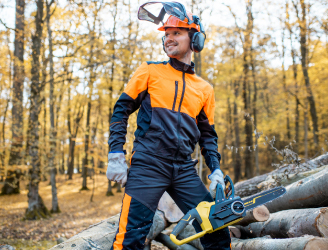










It’s the middle of the week, and your crew is tackling a storm cleanup. Bucket trucks are edging near power lines, and it takes hours just to assess damage.
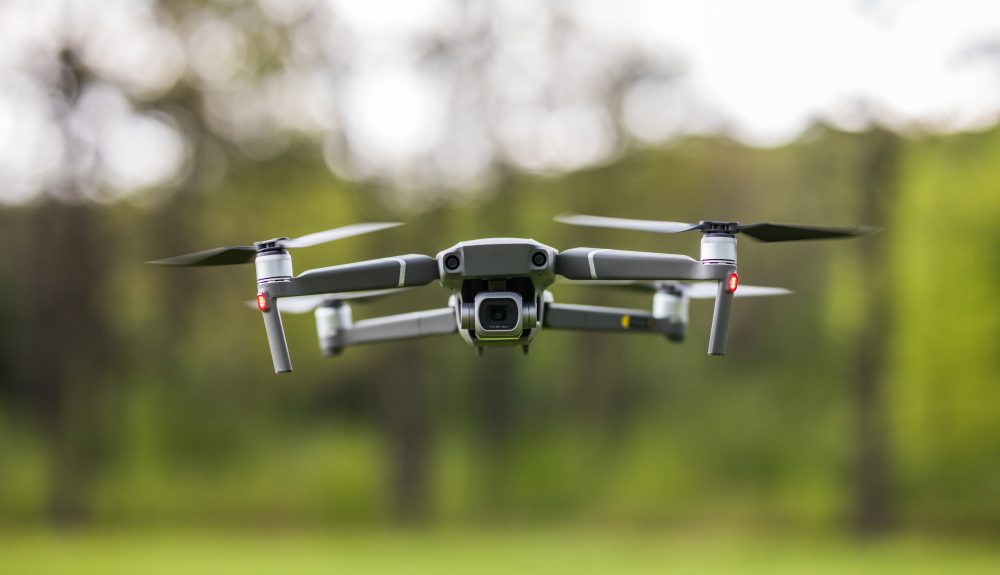
Now, imagine a drone flying that canopy in minutes by eliminating climbing and exposure, with instant data for estimates. That’s the shift we’re living through.
Drones are becoming the new first step in tree care and utility work.
However, the same tool that cuts time and costs also adds new risks. Fly too close to a roadway or mismanage Federal Aviation Administration (FAA) rules, and you’re suddenly exposed to lawsuits and penalties. That’s where drone insurance enters the picture as a necessity.
This guide will explore the risks drones bring, what coverage actually looks like, and how to protect your business while you innovate.
Why Drones Create New Business Exposures
One mistake in any of these areas turns your drone into a serious problem. Getting drone insurance isn’t something you can skip anymore.
Liability Risks
Tree care drones fly close to houses, cars, and power lines regularly. Batteries die unexpectedly or pilots misjudge distances, which leads to crashes that damage property or hurt people.
These accidents create expensive lawsuits and make clients lose trust in your services. Local governments might also stop hiring you for municipal work.
Regulatory Risks
The FAA has tough rules about commercial drone operations. You need proper certification and must stay within designated flight zones, plus some jobs require special permits.
Breaking these regulations brings hefty fines and puts your operating license at risk. Regulators will watch your business more closely after violations occur.
Operational Risks
Drones malfunction just like any other equipment, whether it’s hardware problems or software glitches. Hackers can also target drone systems and steal control or access stored data.
Tree service companies often capture detailed property images, so security breaches expose sensitive customer information. This creates privacy issues and potential legal troubles.
The Key Elements of Drone Insurance Coverage
Accidents aren’t the only concern when you fly drones for tree care or utility work. A complete drone insurance coverage plan has to address the full range of risks, including coverages for both physical damage and digital threats.
- General liability: Covers property damage or bodily injury if a drone collides with personal property or a bystander during operations
- Property: Protects the drone itself and related equipment against theft, fire, or accidental damage
- Crime: Covers financial losses if employees misuse drone equipment or if assets are stolen internally
- Employment practices liability: Extends protection if a dispute arises from how drone operators or crew members are trained or supervised
- Cyber liability: Critical for drones capturing imagery and data, as it protects against data breaches or misuse of collected information
What Drives Drone Insurance Cost in 2025
Contractors often ask why premiums vary so much from one company to another. The truth is, the cost of drone insurance depends on how and where you use drones, as well as the risks you manage.
Some of the biggest cost drivers include:
- Number of drones in your fleet and how often they’re in use
- The value of your drone equipment and any attached payloads like cameras or sensors
- Type of operations, i.e., residential tree inspections carry different risks than utility line clearance or storm response
- Operator training, FAA certification, and safety procedures in place
- Your company’s safety record and any past claims related to equipment or injuries
Premiums for commercial drone insurance reflect these factors, but they also reflect how well you can demonstrate control. Strong training programs with documented safety protocols and compliance with FAA rules often push costs down over time.
Why Having the Right Drone Insurance Partner Matters Most
In tree care, unpredictability is a constant. One day it’s storm damage, the next it’s a utility clearance job near live wires.
Now, with drones in play, you’ve added a powerful tool that can save time and reduce crew exposure, but you’ve also introduced risks that traditional insurance rarely covers.
A miscalculated flight path or a data breach, or even a claim of improper training can all spiral into liabilities that cut into your bottom line and reputation. That’s why the drone insurance partner you choose matters as much as the drone itself.
Here’s why TreePro stands apart:
- Nearly 2,000 tree care and landscaping clients already trust us to protect their businesses
- More than 35 years of industry experience in tree care and utility exposures
- Coverage built for your world, including crane and boom operations, snow and ice removal, and drone liability
- Backed by membership in Tree Care Industry Association (TCIA), International Society of Arboriculture (ISA), and Utility Arborist Association (UAA), underscoring deep industry alignment
When drones become a standard part of your operations, you need a partner who understands your business inside and out. Ask your broker about TreePro today, or reach out to us directly to learn more.
FAQs
- Do I need drone liability insurance if I only use drones for estimates?
Yes, even short flights for estimates carry risks of property damage or injury. Drone liability insurance ensures you’re protected if something goes wrong during operations. - How is commercial drone insurance different from regular business insurance?
Commercial drone insurance specifically covers risks tied to drone use, like crashes, equipment damage, or data breaches. General liability policies often exclude drones, so relying on them leaves dangerous gaps in coverage. - What factors should I review before buying drone insurance coverage?
Look at your fleet size, the type of jobs you fly (residential vs. utility), payload value, operator training, and FAA compliance. These shape the drone insurance coverage you’ll actually need. - Does drone insurance cost stay the same every year?
Not necessarily. Drone insurance cost often changes based on your claims history, safety record, and how you expand drone operations. Demonstrating strong training and compliance can help lower premiums over time.