








You already know the stakes are high in your line of work.
A single fall or chainsaw injury can sideline a crew member, and worse, trigger six-figure medical bills and lawsuits.
At the same time, you’re not just cutting trees anymore. You’re working in environments where a disturbed hawk nest or mishandled endangered bat habitat can stop a project cold and land your company on the wrong side of regulators and the evening news.
This is the twin pressure of your tree care business: protecting people while respecting the ecosystems in which we work. And let’s be honest, ignoring either side costs you money and credibility.
This blog explores how you can practically mitigate those risks, protect your crews, and position your business as both safe and environmentally responsible. That’s where real growth and resilience come from in 2025.
Protecting Workers in Your Tree Care Business
When you think about your biggest risk as a tree care business owner, it almost always starts with the crew.
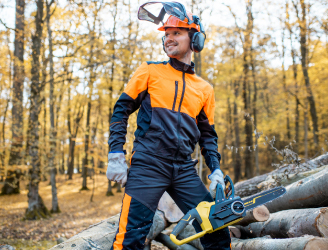
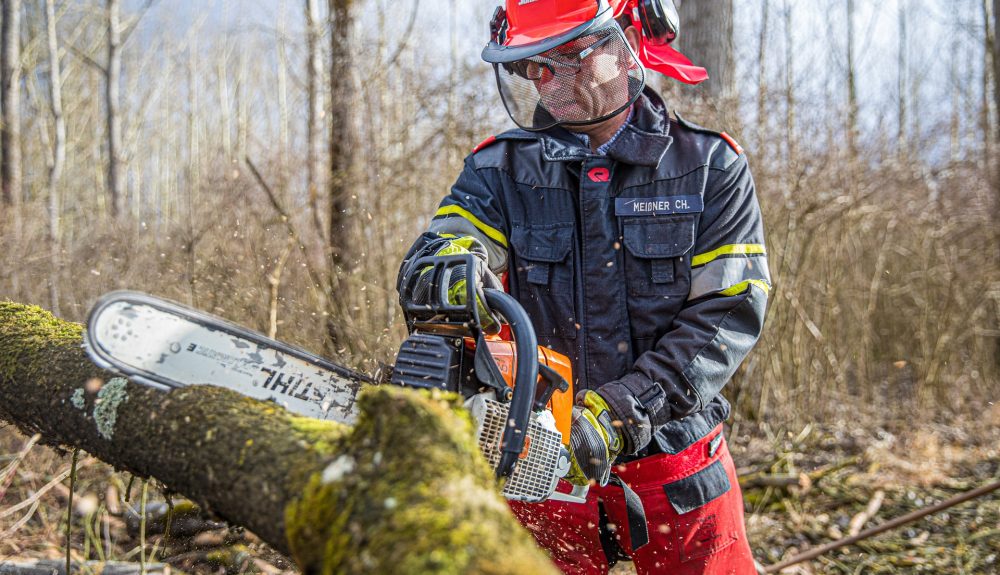
Falls from height, chainsaw accidents, or electrocutions near power lines aren’t hypotheticals; they’re the leading causes of injuries and lawsuits in our field. One serious incident can spiral into OSHA penalties and project delays.
That’s why the smartest operators are investing in certified tree workers. Certification reduces the chance of accidents that jeopardize both lives and contracts. Combine that with clear safety protocols and job-site audits, and you’re actively lowering your liability exposure.
- Workers trained to follow American National Standards Institute (ANSI) guidelines are less likely to cause injuries or damage
- Crews equipped with proper gear finish jobs faster and with fewer near-misses
- Carrying the right workers’ comp for tree service ensures that if something does happen, your business doesn’t carry the full financial burden
Managing Wildlife Problems and Solutions On-Site
Wildlife might have been a part of the backdrop of your jobsite earlier, but today it is at the center of your tree care business. Cut down the wrong tree at the wrong time, and you could be facing both legal penalties and community outrage.
Take bats, for example. In many states, mishandling a roost during breeding season can stop your project entirely and invite hefty fines. Or consider migratory birds, as disturbing an active nest can draw federal penalties under the Migratory Bird Treaty Act.
These are the wildlife management problems that quietly drain profitability, because you lose client trust and future contracts. Remember that:
- Pre-work site surveys can identify nests of protected species before saws ever start
- Working with certified wildlife specialists builds credibility with municipalities and environmental groups
- Documented conservation protocols reduce disputes and prove compliance when regulators come calling
Clients notice when you handle these issues professionally. In fact, many large contracts now favor tree care businesses that show they can balance their service with wildlife stewardship.
Balancing Business Growth with Conservation Expectations
The sad reality is that many of the problems with wildlife conservation revolve around the costs to do it right, and not the intent.
Clients want eco-friendly practices and regulators want strict compliance, but your crews want to get the job done quickly. So, you’re caught in the middle.
The outcome is predictable if your business ignores these pressures: lost contracts, stalled projects, and reputational damage that takes years to repair. However, when you lean into conservation as part of your operating strategy, the payoff is more trust plus more bids.
- Eco-friendly pruning methods reduce ecological harm while showing clients you take stewardship seriously
- Recycling and reusing wood waste demonstrates responsibility and often lowers disposal costs
- Documented biodiversity practices help you stand out in municipal and utility contracts that prioritize conservation
Yes, these expectations can feel like wildlife conservation board problems. Look at them as opportunities, though, to define yourself as a long-term partner in managing ecosystems. And that’s the difference between short-term jobs and sustainable growth in the industry.
Securing the Future of Your Tree Care Business Through Insurance
You already know the fundamentals: invest in certified crews and follow safety protocols that protect both your people and the environment.
But the truth is that no matter how careful you are, one accident can undo years of progress. That’s where insurance becomes the final safeguard for a resilient tree care business.
Layers of coverage build a complete protection:
- Pollution liability shields you from environmental claims
- Workers’ comp’ for tree service ensures your team is supported if the unexpected happens
- Employment practices liability helps navigate disputes inside the organization, while wildfire liability protection addresses risks unique to states like California
Together, these protections add a layer of security that safety alone can’t provide. And that’s where TreePro comes in.
With more than 35 years of experience and nearly 2,000 tree care and landscaping clients, TreePro offers tailored insurance solutions designed specifically for this industry. Beyond insurance, you gain risk control resources and compliance support.
So, ask your broker about TreePro today, or reach out directly to see how you can secure your business’s future.
FAQs
Q1. What role do certified tree workers play in client trust?
Clients feel more confident hiring crews with certified workers since it shows you know what you’re doing. These credentials help reduce accidents and make your business look more professional when bidding jobs.
Q2. How can tree care businesses handle unexpected wildlife management problems?
Smart tree companies plan ahead by checking for nests or protected species before starting work. Getting advice from wildlife experts and following local conservation rules helps avoid delays and fines.
Q3. Why is workers’ comp for tree service so critical?
Tree work is dangerous, so accidents happen regularly. Workers’ comp protects your employees when they get hurt and keeps your business from facing expensive lawsuits.
Q4. What’s the link between tree care and wildlife conservation problems?
Careless tree removal can destroy animal habitats and create regulatory headaches. Doing the work properly protects wildlife while keeping your operations running smoothly.