






Summary:
- Climate change is reshaping arboriculture, compressing timelines and raising exposure, so work now demands tighter planning.
- When crews follow consistent plans, document with photos, and practice training, disputes drop and injuries decline.
- This blog connects the major risks to practical controls and coverages, helping your tree service stay insurable.
Climate change is now setting the pace of your day. Out West, extended wildfire seasons and smoke change arboriculture planning from the first cut.
Along the Gulf and Southeast, heavy, slow storms turn routine work into urgent removals. In the Midwest and Northeast, wind and late-season ice topple mature trees onto power lines and homes.
Climate change is a frequent headline for legitimate reasons, as it shapes your daily schedule and your insurability.
We’ll define what arboriculture is in today’s terms, and show how climate shifts change your work. We’ll also map those changes to simple risk controls, and close with the coverage basics your business needs.
What Is the Scope and How Is Arboriculture Practiced Today?
At its core, arboriculture is the care and management of individual trees in built spaces. This includes homes, streets, campuses, utilities, and parks.
How does arboriculture work in the field?
You evaluate risks in pruning, removals, plant health care, consulting, and storm response to plan services.
If you already run or plan to run an arboriculture tree service, you’ll balance biology, rigging, equipment, traffic control, and customer expectations every day.
A few arboriculture examples we all recognize:
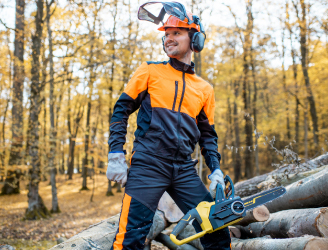
- Risk-reduction pruning to ANSI A300 standards on a school campus
- A complex crane removal over a garage after a wind event
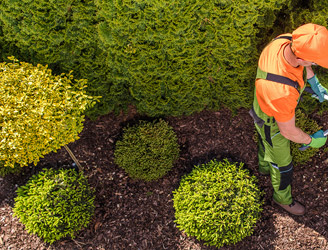
- PHC for drought-stressed maples on a commercial site
- Utility arboriculture, including vegetation clearance to keep lines safe and the grid reliable
Together, this is arboriculture and tree management, planned care that improves safety and reduces outages.
Climate Signals Are Reshaping Your Operations And Contracts
As weather patterns shift, the work changes first, and the paperwork follows. Here’s how the new climate signals are reshaping day-to-day arboriculture and the contracts that support it.
- Heat and drought: Expect higher PHC demand, more removals of compromised trees, and tighter work-rest cycles for crews
- Wind and convective storms: You see more emergency callouts, more traffic control exposure, and more neighbors and vehicles inside the drop zone
- Freeze/ice: Surfaces can be slick for bucket and crane work, leading to slow progress but higher severity when failures happen
- Flooding and saturated soils: Undermined root plates, unstable slopes, and hidden utilities. Cleanups may raise contractors’ pollution liability concerns if fuel or contaminated water is present
- Wildfire and smoke (WUI growth): Respiratory protection, ash cleanup, and access restrictions become routine. In California and parts of the West, wildfire liability protection deserves a hard look.
These signals drive urgent changes:
- Shorter maintenance cycles and more proactive clearance work for clients
- 24/7 storm response SLAs with clear mobilization times
- Different equipment mix with more lifts, more cranes, and tighter inland marine controls
- Stronger documentation, including site photos, weather notes, soil condition, visible defects, and customer sign-offs
Practical Risk Controls that Protect and Ensure Insurability
Underwriters look for simple, consistent habits that cut loss frequency and severity. These also keep your jobs smoother and your clients happier.
- Job planning that names the hazard
Use a short job hazard review that notes weather, slope, soil moisture, targets, utilities, and the escape route. Two minutes up front beats two hours in a claim. - Photo logs, before and after
Photos of defects, work zones, tie-downs, and stump diameters reduce disputes and speed claims handling. - Traffic control that matches local rules
Clear cones, flaggers where needed, and documented setups protect third parties and reduce GL exposure. - Heat, smoke, and fatigue protocols
Work-rest cycles, hydration, shade, and appropriate respirators for smoke events. These steps lower workers’ comp claims. - Equipment discipline
Keep an inventory with values, storage details, and photos. Use telematics or simple driver coaching. Tie-down photos reduce inland marine friction after a loss. - Training that actually shows up on paper
Arboriculture training, including ISA/TCIA credentials, aerial rescue refreshers, and chainsaw and rigging updates, is essential. These signals indicate operational maturity as certified professionals help prevent costly claims. - Contract hygiene
Clear scope, weather clauses, and change-order language. State what’s excluded (hidden decay, new storm damage) so everyone stays aligned when weather shifts mid-job.
Bottom line is that each control above is a small habit. Together, they protect people, property, and your ability to win, and keep municipal and utility work.
These Coverages Carry The Load When Climate Hits
Here’s a map illustrating the transition from exposure to policy. It mirrors the core coverages arborists carry and what brokers expect:
- General liability: Third-party injury or property damage for neighbors, vehicles, roofs, and fences
- Auto liability: On-road incidents, especially with heavier units during storm deployments
- Property: Damage to your shop, yard, or office from wind or water, as well as theft risk after storms
- Inland marine (contractor’s equipment): Cranes, lifts, chippers, and saws. Also, it covers collision, rollover, theft, or flood on and off job sites
- Excess and umbrella: Extra protection when a single event runs large, and it is crucial in CAT-heavy regions
- Wildfire liability protection (including California): Work in or near WUI areas and line-clearance jobs
- Crime: Cash or receipts, especially during emergency work
- Contractors’ pollution liability: Fuel, herbicides, ash and soot, or contaminated water during cleanup
- Employment practices liability: Rapid hiring for storm surges can raise HR exposure
- Cyber: Scheduling tools, telematics, and connected gear hold sensitive data
- Workers’ compensation: Heat stress, smoke exposure, aerial rescues, but remember that some carriers apply minimum premiums
Two fast clarifications:
- An umbrella isn’t the same as excess: Both add limits, but they coordinate differently. Your broker can help you decide what fits your contracts
- Pollution isn’t just “hazardous chemicals”: Ash, soot, and fuel runoff can trigger pollution claims during storm cleanup.
Protecting Arboriculture in a Changing Climate with the Right Insurance
Your clients count on you to keep people safe, keep the lights on, and keep property protected. Climate change raises the stakes, but the playbook is clear – you plan jobs around weather and soil conditions and keep your efforts updated.
All of this helps protect crews, improve client trust, and make insurance work the way it should.
TreePro exists to support that playbook. It encompasses the coverages we just discussed for the realities of arboriculture tree service operations, including utility arboriculture and municipal work.
Just as important, TreePro helps with risk management and cleaner documentation, so claims move faster and with less friction.
If you want a simple next step, talk to your broker about TreePro, or contact us directly. We’ll help you line up the right limits, close the gaps that weather exposes, and keep your business ready for the next season.
FAQs
- What is the difference between an arborist and an arboriculturalist?
Very small. In practice, both care for trees. “Arborist” is the common field term; “arboriculturalist” is the more formal version often used in consulting, research, or standards discussions. - What kind of degree does an arborist need?
There isn’t one single path. Many start with certificates or associate degrees in arboriculture, forestry, or horticulture, then stack ISA/TCIA credentials while learning core arboriculture services like pruning, removals, and PHC on the job. - How difficult is it to become an arborist?
It’s demanding but doable. You’ll need comfort with heights, saw skills, safe rigging, customer communication, and steady training. Most pros learn through apprenticeships, certifications, and real storm work, progressing from ground to canopy. - What is the best insurance for arborists facing climate change problems?
Look for a program tailored to tree work and storm realities — GL, auto, inland marine, pollution, wildfire, workers’ comp, plus excess. TreePro packages these coverages and supports faster, cleaner claims when weather hits.