







Summary:
- Winter raises risk, such as storms and ice, which can put jobs in danger.
- Premiums reflect tougher conditions and stricter contracts, so your insurance coverage for tree service must adapt.
- This blog unpacks winter’s top cost drivers and smarter coverage choices.
Winter redraws your tree services. One storm and the calendar fills with urgent removals, and the occasional snow removal job you only touch a few times a year.
Risks increase as well, not from carelessness, but because conditions shift under your feet. This happens because rigging points freeze, and soils stop holding weight.
Claims follow that pattern, which is why carriers price the season differently. Your best move is to control the story you can prove.
Lean on steady basics: a site plan that fits the property and a crew brief that survives the rush. Additionally, pair that with insurance coverage for tree service tailored for operational hiccups in winter.
Today’s blog unpacks the big winter cost drivers and the requirements that keep approvals smooth.
Top 5 Winter Drivers That Impact Tree Service Insurance Cost
Here are the top five reasons you see tree service insurance costs rise on winter schedules, and what carriers are reacting to in your file.
1) Emergency volume and claim severity jump
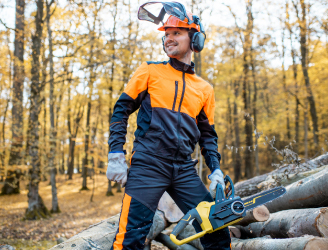
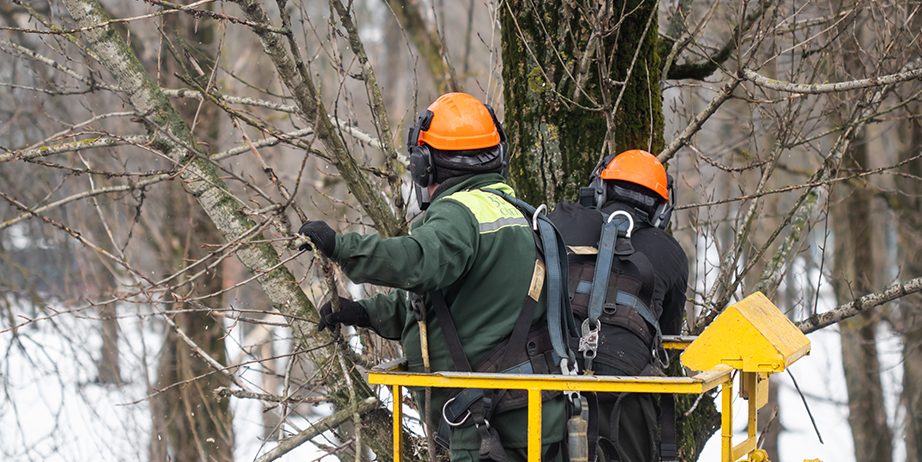
When storms hit, the work shifts from planned pruning to urgent removals and crane picks near structures. Now risk concentrates in fewer, tougher hours. This is exactly where losses get expensive and push insurance coverage for tree service pricing up.
- Increased risk of accidents in high winds and freezing precipitation, as limbs and whole trees fall unpredictably
- More property damage and worker injuries when the footing is slick and drop zones shrink
- Higher demand means stacked callouts and rushed setups, which correlate with more claims
- Night work reduces photo quality and job-plan detail, making settlements harder and pricier
- More traffic control, more crane time, and more energized-line exposure increase severity
- Crews pivot to storm debris and occasional snow-related tasks, where routines are less practiced
Therefore, underwriters put a lot of weight on your winter record. They look for clean job plans, with time-stamped photos and documented clearances. It helps stabilize tree service insurance coverage even when the emergency work spikes.
2) Fleet and equipment strain in cold weather
Cold negatively impacts your gear’s behavior. The most common cause can be fluid thickening or battery sagging. That’s when small slips become costly claims that ripple through tree service insurance pricing.
- More fender-benders and slide-offs raise commercial auto loss totals
- Bucket and crane derating in wind or ice extends time on site and exposure
- Frozen hoses and booms trigger breakdowns, rentals, and delay costs
- Pre-trip inspections miss issues in the dark; document defects with photos
- Yard theft rises in long nights, so lockdowns and tracking cut insurance for tree service losses
- Calibrate outriggers and load charts for icy ground to avoid tip risks
Clean maintenance logs combined with cold-weather checklists help underwriters separate disciplined fleets from risky ones. In turn, stabilizing costs alongside general liability insurance for tree service.
3) Contracts and documentation slip under pressure
In the winter rush, the admin work is where many shops leak dollars. Small paperwork misses turn simple claims into long and expensive ones, and underwriters notice.
Tight files help you meet tree service insurance requirements and keep pricing steady.
- Subcontractor certificate of insurance expires mid-season, so the job record shows no updated limits
- Primary and noncontributory wording and a waiver of subrogation are missing on the certificate
- The 811 locate request doesn’t match the site address, and no clearance confirmation is attached
- No traffic control plan on file. The Manual on Uniform Traffic Control Devices requirement isn’t referenced in the packet
- Crane documentation is incomplete. Lift plan, load chart, and ground-bearing pressure notes aren’t tied to the work order
- Job hazard analysis lacks signatures, and tailgate talk isn’t linked to the crew or date
- No time-stamped before and after shots or a simple drop-zone sketch
- No contractor’s pollution incident note after a hydraulic or fuel release
Clean, consistent documentation reduces disputes and protects liability insurance for tree service costs when the weather turns.
4) Shift in services adds new exposures
Many crews pick up snow and ice work in winter, which changes the risk picture and the way carriers read your file for general liability insurance for tree service.
- Plow passes can scuff curbs and landscaping near client entries
- Slip and fall claims rise when lots refreeze overnight
- Contract wording often lacks limits and scopes for snow work, raising the tree service insurance cost
5) Cold weather raises crew injury risk
Cold slows reaction time and turns simple moves into strain events, which shows up in comp losses and overall tree service insurance pricing.
- Frostbite and cold stress creep in on long bucket days
- Icy footing turns routine drags into back or knee injuries
- Gloves and layers reduce tool feel and increase saw mishaps
- Short daylight compresses jobs, which pressures judgment and liability insurance for tree service outcomes
Ensure Budget-Friendly Winter Coverage with the Right Partner
Winter piles on risk even when your crew does everything right. If you want pricing to hold and contracts to keep flowing, you need insurance coverage for tree service that matches how winter work actually runs.
That is where TreePro helps. You get a partner that understands emergency callouts, and even snow and ice removal that many carriers avoid. You also get practical risk control and faster claims handling, along with support from a team active with TCIA, ISA, and UAA.
Key coverages that you’ll get:
- General liability insurance for tree service protects you when falling limbs damage roofs or vehicles
- Auto liability responds after storm-day fender benders and roadside incidents
- Property coverage replaces shop tools and salt-season inventory after fire or theft
- Inland marine keeps bucket trucks, chippers, and saws covered as they move job to job
- Workers’ compensation supports injured climbers and ground crews in cold-weather conditions
And so much more! Choose a partner who can prove it in the field. Contact us today so that your tree service liability insurance is built for winter, so you can work safely and keep margins steady.
FAQs
- Who pays for damage caused by falling trees?
Typically, the damaged property owner claims on their own policy (“act of God” wind/ice). Your liability pays only if you were negligent, ignored a known hazard, improperly pruned/rigged, or did unpermitted work. Insurers look for prior notices, arborist reports, and maintenance records. Municipal trees follow local ordinances. - How to verify tree service insurance?
Ask for a current certificate of insurance, then call the agent listed to confirm active dates, limits, and endorsements. For jobs requiring it, request to be named as an additional insured and keep the certificate on file. - Which is the best insurance coverage for tree service in winter?
Look for winter-ready packages: general liability, auto, inland marine, workers’ comp, and umbrella, plus experience with storm response and crane work. Many crews choose TreePro for its industry focus and fast claims during peak weather. - Do insurance companies pay for tree damage?
Often, yes, and it depends on the cause and coverage. Your property policy can cover building/equipment damage and debris removal after wind or ice. If the tree damages a neighbor, their insurer usually pays, unless you were negligent, then your liability applies. Expect exclusions for poor maintenance; document with photos and an arborist report.