





SUMMARY
- Tree trimming is one of the most hazardous trades in the US, with fatality rates at least 15 times higher than the national average
- A generic business policy often doesn’t account for the actual hazards tree crews face on the job, leaving serious gaps when a claim comes in
- In this blog, we walk through how to evaluate insurance for tree trimming, from core coverages to the specialized protections most standard policies leave out
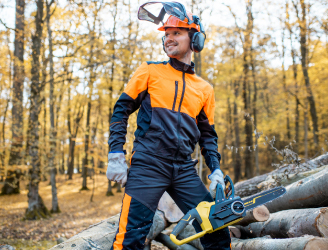
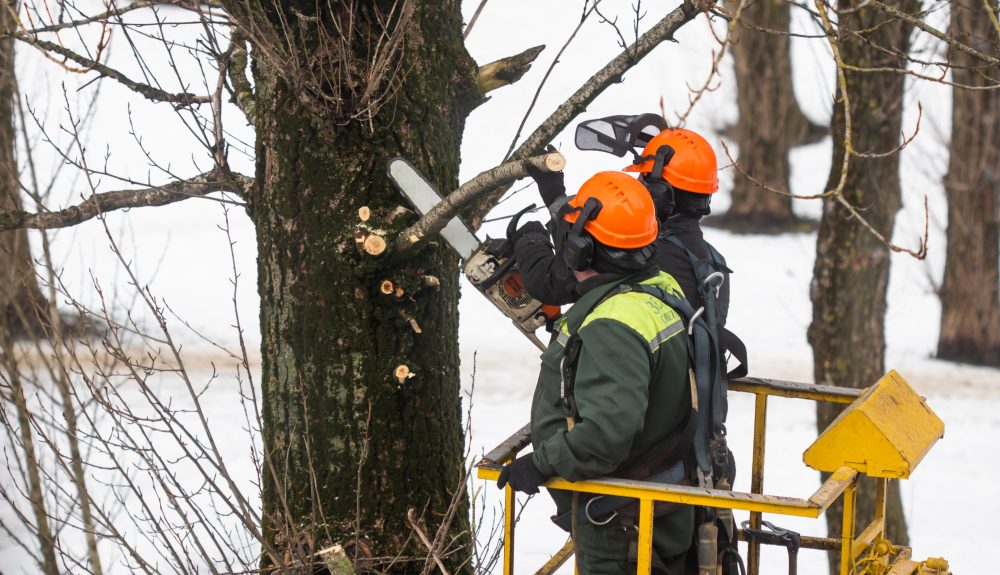
Tree care is one of the most dangerous trades in the country. According to TCI Magazine, tree workers have at least 15 times the fatality rate of all industries combined. Falls, struck-by incidents, electrical contact, and heavy equipment account for the bulk of those numbers, and that’s on a normal, scheduled job.
When a tree trimming service receives a claim, it usually stems from a gap between policy coverage and the crew’s actual activities. This is often more common than business owners think, especially when coverage is chosen for its price rather than aligning with operational needs.
Getting the right insurance for tree trimming starts with understanding your own risk profile before you start comparing policies.
What Your Operations Say About Your Coverage Needs
Two tree trimming service businesses can look identical on paper, but carry very different risk profiles depending on how they actually work. Insurers underwrite based on operations, so the coverage you need depends on specifics.
Here are the four areas to think through before approaching a broker:
Type of work your crew performs
- Routine trimming carries a different exposure than full removals
- Storm cleanup brings unpredictable site conditions and compressed safety controls
- Utility line clearance is a separate risk category with its own requirements
- Crane-assisted removals add a layer of severity that many standard policies don’t account for
Where your crew works
- Residential jobs put your crew close to structures, vehicles, and homeowners
- Commercial and municipal contracts often require higher liability limits upfront
- Working in fire-prone regions adds wildfire exposure that needs specific coverage
Workforce structure
- Employee headcount directly affects workers’ compensation costs
- Subcontractors who don’t carry their own coverage can become your liability
- Seasonal crew members are often overlooked during policy reviews
Equipment footprint
- Trucks, trailers, chippers, aerial lifts, and cranes all need to be accounted for separately
- Portable tools and rigging gear fall under inland marine
- The total value of your equipment changes what adequate property coverage looks like
The clearer your picture across these four areas, the more productive your conversation with an insurer will be.
Core Coverages Every Tree Trimming Service Should Carry
Before getting into specialty coverage, these are the foundational policies any tree services insurance program should include.
- General liability covers third-party property damage and bodily injury. If a branch comes down on a customer’s roof or a bystander gets hurt near your work zone, this is the coverage that responds first.
- Workers’ compensation is legally required in most states for any business with employees. Tree work carries one of the highest injury rates of any trade, so this is both a legal requirement and a financial necessity for any crew of any size.
- Commercial auto covers trucks, trailers, and vehicles used for business operations. Personal auto policies don’t extend to commercial use, so this needs to be in place before your crew is on the road.
- Inland marine covers tools, equipment, and portable gear in transit or on the job site. Chippers, chainsaws, rigging gear, and climbing equipment all fall into this category.
Most commercial clients and municipal contracts also require a Certificate of Insurance before awarding work. Carrying adequate liability insurance for tree service operations is often the baseline requirement just to bid on those contracts.
Where Standard Policies Fall Short
A generic business policy is written for a wide range of trades. For a tree trimming service that creates real gaps in coverage that only show up when a claim comes in.
Some of the most common gaps:
- Height restrictions: Some general liability policies exclude operations above a certain height, which rules out most of what a tree crew does on any given day
- No arborist E&O: Standard GL doesn’t cover professional judgment. If your crew removes the wrong tree or a pruning recommendation leads to tree failure, GL won’t respond
- Crane and aerial lift exclusions: Many off-the-shelf policies don’t cover these operations at all. That’s a problem when crane work is a regular part of your removal jobs
- Pollution liability gaps: Herbicide and pesticide applications, fuel spills, and hydraulic fluid leaks create environmental exposure that most general policies don’t cover
- Wildfire liability: Standard policies don’t include this. Crews working in dry regions need a separate endorsement, and most don’t find that out until after a fire-related claim
Claim patterns in the tree care industry are shifting, and the gap between standard policies and actual tree care operations is becoming more expensive to ignore.
Specialized Coverages Worth Evaluating
If applicable to your operations, consider these additions to your tree removal insurance program:
- Arborist errors and omissions insurance: Professional liability coverage for claims related to the removal of the wrong tree, improper pruning advice or inspections that result in tree failure.
- Crane and aerial lift insurance: Important if you have crews that take on large-tree removals or use cranes on residential or commercial properties.
- Wildfire liability coverage: Offered throughout the country and crucial for crews serving in California and other wildfire-risk states.
- Contractors’ pollution liability: Protects you in the event that chemical drift, runoff, or fuel spills leave the job site and cause a cleanup or third-party claim.
Not every tree trimming service needs all of these. The right combination depends on the work you do and the contracts you’re going after.
Get the Right Insurance for Your Tree Trimming Service
Coverage gaps in tree care have a way of showing up at the worst possible time. The right tree trimming service insurance accounts for your crew size, the type of jobs you take on, the equipment you run, and the contracts you’re pursuing. A generic policy built for a broad range of trades won’t cover those details the way a program built specifically for tree care will.
TreePro is a specialty insurance program designed for tree care contractors. It covers general liability, workers’ compensation, commercial auto, inland marine, arborist E&O, crane operations, wildfire liability, and contractors’ pollution liability, all backed by A+ rated carriers. An A+ rating means those carriers have been assessed as having the superior financial strength to pay claims when you actually need them to.
Contact us today to go over your coverage options, or ask your broker to sign you up for TreePro.
FAQs
Does my tree trimming service insurance cover subcontractors working on my jobs?
Your tree trimming service insurance doesn’t automatically cover subcontractors working on your jobs. If a sub causes property damage or gets injured without their own coverage, that liability can land on your business.
Before any sub starts work:
- Get a Certificate of Insurance from them
- Ask to be named as an additional insured on their policy
- Confirm with your broker whether your program includes a subcontractor endorsement
If a subcontractor is uninsured and gets hurt on your site, the financial exposure doesn’t stay with them.
Is workers’ compensation mandatory for a tree trimming service with seasonal crew members?
In most states, yes. Workers’ compensation applies to all employees, including seasonal crew, regardless of how long they work. Tree trimming services are considered a high-hazard trade. The risk of intentionally misclassifying seasonal employees as independent contractors to avoid coverage is enormous. Think you can save a few dollars by going without? If a worker gets hurt on the job without workers’ comp, you are on the hook for all medical expenses and lost wages.
Will my policy cover a claim if my crew damages a customer’s property during a tree removal?
A properly structured general liability policy covers damage your crew causes to a customer’s property during a removal, including structures, vehicles, and fencing. Where most businesses run into trouble is with limits.
A few things worth knowing:
- A policy built for routine trimming may not stretch far enough when a full removal goes wrong
- Some policies carry sublimits on specific damage types
- Neighboring property damage may or may not be covered, depending on how your policy is written
Reviewing your tree services insurance details before a claim arrives puts you in a much better position than finding out during a settlement.
What does arborist errors and omission coverage do? Do I need it for my tree trimming service?
Arborist E&O Insurance covers your business against claims involving the judgment you make on the job. Such as cutting down the wrong tree, an inaccurate health rating or improper pruning suggestions that cause a tree to fail. Standard general liability covers physical damage, not the decision behind the work. If your crew makes assessments or recommendations on site, adding E&O to your insurance for the tree service program is worth evaluating.