










Summary:
- Successful hemp pest management starts with prevention and fast scouting.
- Compliant controls, scheduled biocontrols, and simple records keep buyers confident and audits smooth.
- This article turns weekly pest management habits into reliable protection and market-ready proof.
Your first 60 days set the tone for growing healthy hemp. If fungus gnats or mites sneak in now, they’ll haunt every bench and drain cash forever.
The most common pests to manage among all hemp growers are a variety of insects and diseases. Set thresholds before you’re under pressure, and keep a small playbook of allowed actions.
So, let’s think of prevention first, then targeted responses you can document in minutes and defend to buyers later.
We’ll pinpoint what to check each week, and when to escalate so pressure never snowballs. You’ll also see the simple proof that processors and state inspectors accept during routine audits.
By the end of the blog, you will turn pest management into a repeatable, week-by-week plan.
1. Build Integrated Pest Management Into Every Day
Treat pest management like hygiene with simple habits that run even when the room is slammed.
Set the flow of people and plants so hitchhikers do not get a free ride. Then back it up with quick scouting and proof you can show to buyers and inspectors.
The following are some standard pest control management steps to keep in mind:
- Quarantine new clones for one full cycle with sticky cards and leaf checks
- Clean benches, drains, and shears on a set schedule, not when time allows
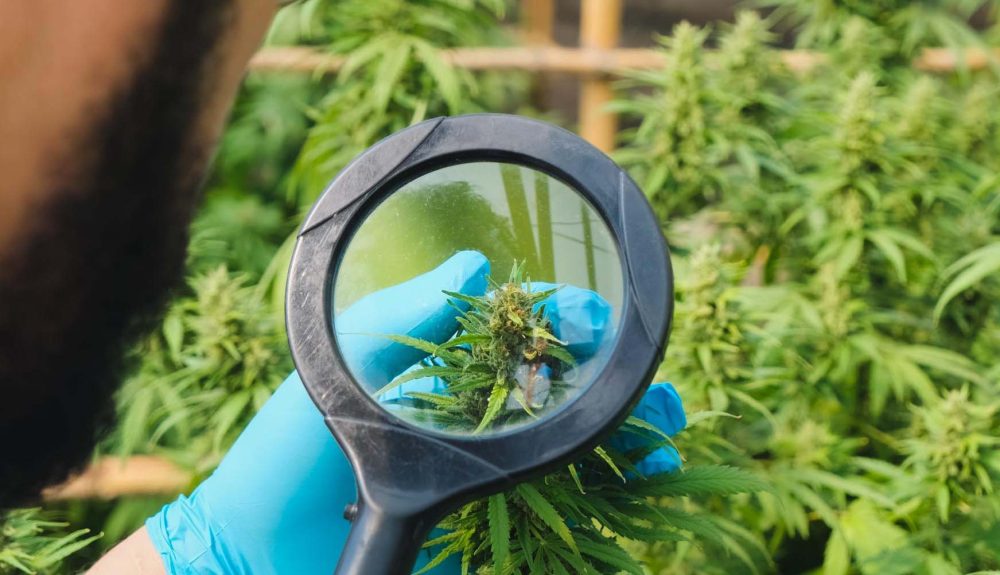
- Standardize scouting: card placement map, sample counts, and five-minute photo logs
- Rotate cultural controls such as airflow, canopy thinning, and humidity targets, to slow mites and botrytis
- Release beneficials on a calendar so you are ahead of pressure, not chasing it
- Keep an approved inputs list aligned to your state hemp program and EPA labels
- Record lot, applicator, rate, and re-entry as the USDA and many state ag departments will ask
2. Use Controls That Pass Audits and Protect Your Brand
Build your program around what your state hemp program and the Environmental Protection Agency (EPA) allow on hemp. Then document everything clearly to make residue tests and audits easy. Aim for compliant pest management that you can explain in a minute. Here are some tips:
- Verify products are permitted for hemp by your State Department of Agriculture and labeled per EPA or FIFRA (Federal Insecticide, Fungicide, and Rodenticide Act)
- Match each application to the growth stage, pre-harvest interval, and re-entry interval
- Prefer biocontrols and targeted actives. Keep supplier COAs and release records on file
- Calibrate sprayers quarterly and record mix rate, lot number, nozzle, applicator, and treated bays
- Maintain SDS and labels in a binder and a shared drive. Train on the EPA Worker Protection Standard
- Align inputs with processor specs and keep a current “allowed inputs” list for weekend crews
- For outdoor/hoop, plan drift buffers and weather windows. Good environmental pest management avoids off-target impact
3. Documentation That Sells Your Crop Before It Ships
Clean records prove your pest management is controlled and compliant. Build a simple system you can defend in audits from your State Department of Agriculture or buyer inspections.
- Keep an IPM log with date, scout findings, threshold crossed, action taken, and verification
- Track by batch and bay, such as lot ID, cultivar, growth stage, applicator name, and re-entry time posted
- Photograph hotspots before and after actions; add quick captions so trends are clear
- Align residue testing with ISO 17025 accredited labs and your processor’s spec sheet
- Summarize monthly trends to adjust thresholds, budgets, and release timing
- Train a backup so logs stay accurate when leads are off-shift
When your file tells a clean story, auditors ask fewer questions. As a result, commercial pest management moves faster, leading to the economic benefits of hemp growing.
4. Bring In Professionals When Pressure Spikes
When hotspots spread fast or residues risk a rejected lot, it’s time to bring in professional pest management help and run them like a critical vendor.
- Set clear targets and thresholds so everyone knows when action starts
- Approve product lists in advance to meet state hemp rules and buyer specs
- Sync service cadence to your harvest schedule and re-entry windows
- Ask for prevention routines, not just emergency knockdowns
- Require simple reports you can hand to a processor or inspector
- Review results quarterly and tune scope and budget
Well-managed commercial pest management services give you surge capacity and clean documentation, so your team can focus on consistent quality.
5. Post-Harvest Sanitation That Stops Carryover
Between cycles is when you erase hidden pressure. A tight reset blocks mites, thrips, and gnats from rolling into your next run and lowers the need for rescue sprays—good environmental pest management and good business.
- Flush fertigation lines, including log peroxide or acid concentrations and contact times
- Deep-clean fans, louvers, coils, and condensate pans to remove biofilm
- Disinfect benches, trays, shears, and carts with a written SOP and posted dwell times
- Replace or heat-treat media where reuse risks reinfestation, and avoid “dirty pot” carryover
- Review vendors off-season and update your “allowed inputs” and professional pest management service scope
Turn Integrated Pest Management Proof Into Protection
You run fast rooms and tight schedules. When pest pressure hits, the difference between a near-miss and a costly rejection is the system you can prove. That’s where the right insurance partner matters as much as your playbook.
GrowPro was built for growers like you. With more than 35 years in horticulture, the program pairs customized risk control with enhanced stock coverages. You’ll also get claims service designed for time-sensitive crops.
The agriculture and growing industries are changing quickly. Our expertise helps keep your operation protected as you scale.
Talk to your broker about GrowPro, or contact us directly. We’ll align protection to your IPM plan and your buyers, so pests don’t derail production or revenue.
FAQs
- What is the hardest pest to get rid of?
In hemp, two-spotted spider mites and russet/broad mites are toughest. They breed fast, as they hide deep in the canopy, so they develop resistance. Your best play is prevention is tight sanitation with biocontrols on a schedule, and careful product rotation. - What is the best method of pest management?
A layered pest management plan wins with clean entries, routine scouting, action thresholds, beneficials, and compliant actives when needed. Keep short, clear records so you can adjust quickly and pass any buyer audit. - What is meant by integrated pest management?
Integrated pest management (IPM) is a system that prioritizes prevention and monitoring, then uses targeted, least-disruptive controls first. You escalate only as needed, documenting each step so results are repeatable and residual risks stay low. - Which is the best insurance for hemp growers?
Choose coverage built for growers. Stock valuation by growth stage and equipment breakdown, along with claim support that understands harvest timing. Many operators look to GrowPro for horticulture-specific protection and practical risk control without paying for generic policies.

