



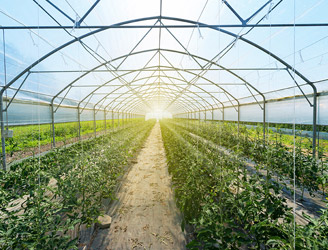





In recent years, the concept of vertical farming has garnered significant attention as an innovative and sustainable method of agricultural production. Higher land costs and a growing sense of consciousness among growers have also played catalyst to the trend. Vertical farming represents a departure from traditional horizontal farming practices, as it embraces a vertical orientation for cultivating crops. Instead of spreading plants horizontally across vast expanses of land, vertical farms stack plants vertically, utilizing multi-story structures or vertical walls. This efficient utilization of space not only allows for higher crop yields per square foot but also reduces the reliance on extensive land resources.
Within vertical farming, several popular indoor farming techniques methods have emerged, namely aeroponic, aquaponic, and hydroponic systems. These methods share a common characteristic: they operate without soil, utilizing alternative mediums to support plant growth (Ponic: without soil). Cool right? Whoever thought we’d be able to grow plants like this in 2024?
Vertical farming can be viewed as a perfect blend of art and science. In this article, we explore the depths of three ‘ponic’ systems, highlighting their unique features, advantages, and disadvantages to help you determine which vertical farming technique is right for you.
Hydroponic Farms
Hydroponics, stemming from the Greek words ‘hydro’ for water and ‘ponos’ for labor, and one of the oldest vertical farming method, take soil out of the equation and grow plants in a nutrient-rich solution alongside mediums such as clay, vermiculite, wood fiber, rock wool, coconut fiber, etc. The roots are immersed or periodically exposed to the solution, ensuring they receive the necessary nutrients.
Hydroponic farming has proven to be effective for large growing leafy vegetables and herbs and is a popular vertical farming technique due to its high yield and water sustainability.
Fun Fact: During World War II, the United States military utilized hydroponic farming to cultivate fresh produce for soldiers stationed on barren Pacific islands where traditional farming was impractical.
Pros
- Environmental Mastery: Hydroponic farming offers precise control over environmental factors such as nutrient concentrations, pH levels, and lighting. In other words, you get near perfect conditions for optimal growth and maximizing crop yields.
- Abundance In Every Season: With hydroponics, you can say goodbye to seasonal limitations. These farms allow for year-round cultivation regardless of external weather conditions. Imagine the harshest weather conditions—extreme heat, cold, or floods—but you have a hydroponic farm right in the middle of them. Suddenly, vegetable scarcity is the least of your concerns!
- Space And Water Efficient Solution: Hydroponic farming is a boon for urban areas with limited land availability or severely drought-prone regions. Because this farm technique actually conserves water. And, by utilizing vertical space, you can transform unused buildings or rooftops into thriving gardens and nurseries.
Bonus points: No weeding; no soil related bacteria.
Cons
- Dependence On Artificial Inputs: Hydroponic systems rely heavily on synthetic nutrients and energy-intensive artificial lighting, which can increase operational costs and environmental impact. For instance, let’s talk about nitrate, an inorganic ion that arborists use to enhance plant growth. Maximizing nitrate levels in hydroponics may lead to the production of abundant and leafy vegetables, but it may raise a huge question mark on how healthy the produce would be to consume (high levels of nitrates may be no good to your body).
- Technical Expertise: Hydroponic farming requires a high level of technical knowledge and expertise (for continuous monitoring to maintain optimal conditions for plant growth). In other words, it may not be beginner-friendly.
Aeroponic Farms
Aeroponic farming involves the cultivation of crops and plants in an air or mist environment, again, without any soil. Plant roots are typically suspended in the air, and a fine mist of nutrient-rich water is sprayed onto them. This unique technique provides the plants with essential nutrients, and as roots have greater and faster access to oxygen, the crop and yield rates are significantly higher.
Pros
- Water-Efficient: Aeroponic farming consumes up to 95% less water compared to conventional farming methods, as the misting process minimizes water wastage.
- Faster Growth: Plants in aeroponic farms experience accelerated growth rates due to increased nutrient absorption and oxygenation.
- Space Optimization: The vertical arrangement of crops in aeroponic farms allows for optimal space utilization, making them suitable for urban environments with limited land availability.
Cons
- Technical Complexity: Aeroponic systems are extremely complex and require precise control of environmental factors such as temperature, humidity, and nutrient delivery, which can pose challenges for less experienced farmers and arborists.
- Plant Vulnerability: In the event of a power outage or system failure, plants in aeroponic farms may be more susceptible to damage or death due to their dependence on a continuous supply of mist and nutrients.
Aquaponic Farms
The aquaponics system operates as a symbiotic relationship between fish and plants. The interesting process begins with fish being raised in tanks and fed a nutritious diet, which introduces nitrogen to the system. Post digestion and breakdown, the waste is excreted into the water. This water, carrying the fish waste, flows through a filter where solids are captured, and beneficial bacteria facilitate nitrification.
The nitrification then converts ammonia to nitrite and then to nitrate, creating a nutrient-rich water supply for the plants. The plants absorb these nutrients, purifying the water, which then returns to the fish tank.
Pros
- Nutrient Recycling: Fish waste serves as a natural fertilizer for plants, eliminating the need for synthetic nutrients, reducing costs, and promoting sustainability.
- Reduced Environmental Impact: Aquaponic farming’s closed-loop nature minimizes water usage and prevents the release of harmful chemicals into the environment.
Cons
- Complexity: Managing the delicate balance between fish health and plant growth requires expertise and careful monitoring of water quality parameters.
- Initial Investment: Setting up an aquaponic system can be expensive, as it may involve integrating aquaculture and hydroponics components.
Aeroponic Vs. Aquaponic Vs. Hydroponic: Which Is Best Alternative For You?
Vertical farming, a concept once primarily discussed and reserved by preservationists and academics, has now evolved into a popular pursuit embraced by both hobbyists and commercial growers. Harnessing the power of science, innovative vertical farming methods are surely contributing to sustainable food production and the realization of a greener future.
However, the debate on the best vertical or indoor farming technology, i.e., aeroponics vs. aquaponics vs. hydroponics, is still an ongoing one. To be fair, each method does offer its own distinct advantages and challenges, and ultimately, the choice will depend on your unique requirements and a plethora of factors, including available resources, expertise, and specific agricultural goals.
Are you considering hydroponic, aeroponic, or aquaponic growing techniques for your business? Don’t let ifs and buts hold you back; instead, let GrowPro have your back as you explore new ways to get more bang for your buck and more output for every acre. Sure, you may have some teething problems, but insurance can take the financial sting out of any starting problems and nascence errors. Embrace new techniques that can help you optimize resources with full confidence.
After all, with GrowPro, you’re not just getting coverage—you’re getting a solution tailored to the unique risks of your business, crafted by seasoned underwriters. NIP has been securing businesses like yours for over 35 years; we understand your business. We’ve supported countless growers as they explored new innovations and technology to help their businesses level up and stay relevant.
Experience the difference. Trust GrowPro to nurture and safeguard your green business with unparalleled expertise and care. With insurance as a safety net, explore new avenues for your commercial growing business with full confidence and no fear. Contact us today at info@nipgroup.com or 866-281-4793, and let us cultivate your dream together.

