





When it comes to tree work, nothing says precision and power like a crane. Arborist crane rigging safety is all about understanding the ropes—literally—and keeping every move locked down tight. Let’s dive into what it takes to master choker and sling configurations for crane operations while staying safe and sharp on the job.
What Exactly Are Chokers and Slings?
Think of chokers and slings as your tree-slaying sidekicks. The choker is the piece that wraps snugly around the tree limb, while the sling refers to the whole rigging setup that keeps everything secure and steady. A good arborist knows not just how to use these tools but when and why to switch up their configurations.
Here’s the deal:
- Single-leg configurations are perfect for lighter limbs.
- Multi-leg setups bring extra control and stability for the big boys.
- Knowing your way around these configurations isn’t just about getting the job done—it’s about nailing arborist crane operation safety tips every single time.
Single-Leg Sling Configurations–Simple Yet Strong
For smaller limbs that don’t weigh a ton, a single-leg sling configuration is your go-to. It uses just one choker, making it quicker and easier to set up. But don’t let its simplicity fool you—safety still demands precision.
Here’s how to keep it tight:
- Place the choker directly below the headache ball (that’s the crane hook, for those new to the game).
- Make sure the choker hugs the limb’s center of gravity—this keeps it balanced during the lift.
- Double-check that the choker’s grip is rock-solid before any cutting starts.
Pro Tip: Even with light limbs, always check the choker’s angle and tension. A little extra prep can save a world of trouble.
Multi-Leg Sling Configurations–When One Choker Just Won’t Do
Big limbs call for big setups. A multi-leg sling configuration uses two or more chokers to spread the load, giving you more control over how the limb moves. It’s like adding extra hands to steer the ship.
To rig it right:
- Position the headache ball over the limb’s center of gravity.
- Attach each choker securely to the limb.
- Adjust the sling legs to evenly distribute weight—this keeps the limb steady and prevents wild swings.
- Check your sling angles. Aim for a 60-degree equilateral triangle between the chokers and the limb, but adjust as needed for clearance or limb size.
Heads-Up: Wider angles mean more tension, and more tension means more risk. Miscalculate this, and you’re setting yourself up for trouble.
Safety Protocols for Arborists
Before using a crane, make sure your arborist crew understands crane operation safety tips:
- Training First: Every operator and crew member needs proper training. No cutting corners.
- Daily Inspections: Check the crane, slings, chokers, and other rigging gear for wear and tear.
- Clear Communication: Use radios or hand signals to maintain constant contact between the operator and ground crew.
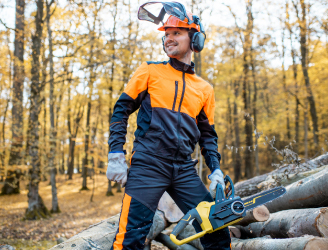
- Crew Safety Gear: Hard hats, gloves, steel-toe boots, and hi-vis vests aren’t negotiable during arborist lifting safety protocols.
Best Practices for Tree Removal Crane Safety
Let’s face it: tree removal is one of the riskiest jobs arborists face. Here’s how to stay ahead of the game:
- Secure the Drop Zone: Set up barriers and warn bystanders. A swinging tree section is like a wrecking ball.
- Balance is Key: Uneven loads can cause swaying or tipping. Take the extra time to rig properly.
- Factor in Tree Dynamics: Trees aren’t uniform. Account for weight shifts, moisture levels, and branch density.
- Weather Watch: Windy days can turn a safe lift into a disaster. Don’t gamble with gusts.
Safety Equipment for Crane Arborists
You wouldn’t hit the job site without your climbing harness, so don’t overlook the gear that makes crane rigging for arborists safer:
- Heavy-Duty Slings and Chokers: Rated for the weight you’re lifting.
- Load Monitors: Some cranes come equipped with these to prevent overloads.
- Safety Harnesses for Crew: Essential for anyone working aloft or near the crane boom.
Why TreePro Insurance Is a Gamechanger
Even with the best prep, accidents happen. That’s why having solid coverage, like TreePro Insurance, is a game-changer for tree care professionals. With over 35 years of industry expertise, TreePro helps protect your business from accidents, injuries, property damage, theft, and more, ensuring you can focus on growth without fear of unexpected setbacks.
TreePro specializes in coverage for various tree care services, including:
- Tree pruning and removal
- Utility line clearance
- Stump grinding and spraying
- Snow and ice removal
- Vegetation management and plant health care
Their policies also address high-risk exposures like crane and boom operations, which many competitors overlook. You can read more about the advantages of TreePro here.
Don’t let accidents or liability threaten your business. Speak with a TreePro specialist today to secure the coverage you need to protect your operations. Contact NIP Group today.
FAQs
What is crane safety for arborists, and why is it important?
Crane safety for arborists focuses on using cranes effectively and safely during tree care operations. Following arborist crane rigging safety protocols minimizes risks, such as injuries or property damage, that can occur during tasks like tree removal.
What are chokers and slings, and how are they used in arborist crane operations?
Choker and sling configurations for crane operations are vital for secure tree lifting. A choker wraps around the tree limb, while slings connect the crane to the load, keeping it steady. Safety tips emphasize matching configurations to the limb’s size and weight to ensure stability and prevent accidents during tree removal crane safety procedures.
What safety equipment is essential for crane arborists?
Safety equipment for crane arborists includes hard hats, gloves, steel-toe boots, and high-visibility vests. Arborist lifting safety protocols also require heavy-duty slings, chokers, anti-slip pads for crane stability, and load monitors to avoid overloading. These tools play a critical role in maintaining safety.
How does TreePro Insurance help arborists using cranes?
TreePro Insurance offers coverage tailored to the risks of crane rigging for arborists. This includes protection for accidents, equipment damage, and injuries that can arise during tree removal crane safety operations. With TreePro, arborists can focus on their work, knowing their business is financially secure.
What are the risks of improper choker and sling configurations?
Improper choker and sling configurations for crane operations can lead to uneven weight distribution, causing swaying or dropped loads. These hazards compromise arborist crane rigging safety, risking injury and damage. Following safety tips ensures safe and successful lifts.
Is TreePro Insurance necessary for small arborist businesses?
Whether handling small jobs or large-scale operations, TreePro Insurance is essential. It protects against risks including accidents and liabilities.