






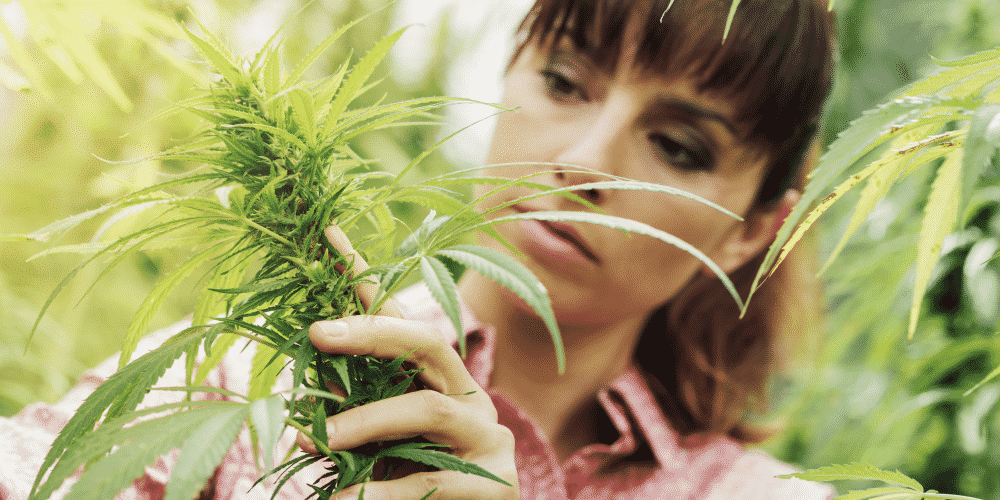
Decades of activism in support of regulatory changes that would allow for hemp growing ultimately won out in the 2018 Farm Bill. Citing research conducted by Vote Hemp, NPR reported that land licensed for hemp cultivation expanded 445% between 2018 and 2019, from 112,000 acres to 510,000. While hemp is also grown for food products, textiles and other industrial uses, an expansion of market demand for products containing cannabidiol (CBD) has further fueled the rapidly expanding hemp industry.
In addition to operations for hemp growing that are authorized directly by the United States Department of Agriculture (USDA), the USDA also oversees the approval of plans to provide licensure submitted by state and tribal governments.
In general, hemp growing represents an increasingly important opportunity for American farmers as well as for operators of commercial growers. Benefits include the ability to produce crops that are highly desired by consumers while offering better profit margins than some other commodities. This rapidly emerging industry will also serve as a new source of jobs in a challenging economic climate. Simultaneously, legal changes now make hemp insurance a possibility, providing a further stabilizing force for the nascent industry.
Is Hemp Growing Suitable for Commercial Growers?
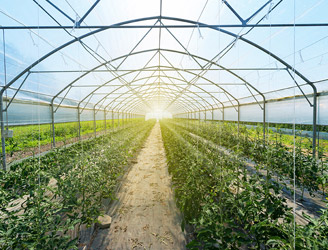
In an economic review of state pilot programs for hemp growing, the USDA found that, by 2018 in Colorado alone, commercial growers had devoted nearly 5 million square feet to hemp production. The report noted that in areas where hemp had not traditionally been planted, growers were focused on cultivating shorter, flowering plants in greenhouses for CBD production, as well as for seeds and clones.
“The agronomic and economic viability of greenhouse-grown hemp offers possibilities to expand the industry geographically, because of the widespread availability of commercial growers and greenhouse equipment for specialty crops,” the authors concluded.
Greenhouse hemp growing reduces some amount of risk, since operators don’t have to worry about erratic weather conditions impacting their harvests. Additionally, the regulatory environment may make commercial greenhouses preferable for CBD production in particular.
Tetrahydrocannabinol (THC) is the principal psychoactive ingredient in cannabis, and it’s present in small amounts in hemp, too. CBD, which is also a cannabinoid, tends to increase in tandem with THC, so CBD cultivators have to delicately balance the makeup of these two chemicals in their crop. If THC surpasses a concentration of 0.3% in the plant by dry weight, the harvest is usually no longer compliant and must be destroyed.
In commercial greenhouse environments, the process of hemp growing can be more tightly controlled. If environmental factors influence the risk of hemp plants becoming “hot,” or passing the legal threshold for THC, then closely monitored indoor growing could limit the risk of crop loss due to THC spikes while making it more likely that CBD will remain at suitable levels for commercial use.
The Benefits of Hemp Growing for Commercial Growers
Hemp growing offers several potential benefits for commercial growers, from providing a crop with high market demand and good profit margins to an expansion in job opportunities for managers, technicians and related roles.
Hemp Demand
In its first days, the explosive CBD market led to bottlenecks in the supply chain where cultivators outpaced the capacity of processors. As the market reaches equilibrium, however, well-run commercial growing operations that have turned to hemp growing may see a promising future ahead.
Data Bridge Market Research predicted that the global CBD oil market would grow at a rate of 31.9% between now and 2027. Of course, if scientific studies begin to substantiate the health-related claims associated with CBD, those findings would likely have an impact on the demand for the crop, too.
High-Margin Production
According to a press release, in May 2019, Kentucky company ColorPoint merged with AgTech to convert into a vertically integrated hemp-only production and processing company with outdoor and indoor growing operations, including 1.8 million square feet of commercial greenhouse space.
While having such a close relationship with a supplier at scale will certainly produce better profit margins than smaller businesses might expect, converting some indoor cultivation space to be suitable for hemp growing might prove to be a diversification tactic that can enhance profit margins for some commercial growing operations.
High-Paying Commercial Grower Jobs for Hemp Growing
Where commercial greenhouses and hemp growing expand, jobs follow, and many of those jobs are quite well compensated. An April 2020 article from Hemp Industry Daily compared the average salaries for workers in traditional farming environments with those in the hemp industry. Among other findings, the authors reported that the average pay for traditional farm laborers, according to data from the U.S. Bureau of Labor Statistics, was less than half that of hemp cultivation workers and greenhouse techs, who earned $52,000 and $60,000, respectively, as revealed in a survey conducted by HempStaff. As hemp growing expands into new geographies, local residents may benefit from high-wage employment opportunities.
Hemp Insurance for Commercial Growers
In 2020, the USDA announced two pilot hemp insurance programs. According to a press release from the organization, before March, farmers were able to apply for Multi-Peril Crop Insurance and to the Noninsured Crop Disaster Assistance Program. Operators in eligible counties from a select sampling of states were able to apply to the program. Commercial growers looking for hemp insurance should contact private providers to find out what their options are. The specific needs of these businesses will differ not only from other indoor growing operators like ornamental producers or food farmers, but hemp insurance for commercial growers may also differ from the coverage required by outdoor hemp growers.
Want to learn more about the economic benefits of hemp? Watch this webinar on-demand!

