








Most things are (for the most part) under your control when you run a greenhouse business. Even risks from the weather, temperature, your own greenhouse equipment, and fluctuating markets are things professional greenhouse growers have learned or been taught to anticipate, adapt to, and prepare for in some way— even if they can’t completely control these factors entirely.
Some level of risk is always involved with running greenhouses businesses. However, some factors impact greenhouse operations in ways that catch both newbie and experienced professional growers completely off guard. We just aren’t trained or pay attention to these intuitively; and one major category of these “blind spot” risks is dealing with environmental risks near your greenhouse.
That’s right: the impacts of other businesses, environments, pollution, and chemical-based activities can take a toll on your greenhouse business if you’re not careful (or neighboring businesses aren’t careful, either). Here are some of the most common environmental (or pollutant) risks that can happen near your greenhouse, and the best tips for how to safeguard against them.
Air pollution
Ever considered the air pollution near your greenhouse site and how it could possibly impact your plants? If you’ve built or grown near a factory, warehouse, or some sort of processing plant, it’s important to realize that your plants can breathe in and be affected by this pollution, too— especially if there are ways this can enter your greenhouse.
Fortunately, a very well put-together and well-ventilated greenhouse can help reduce any negative impacts. Is there plenty of fans and air circulation? Is there just as much air leaving your greenhouse as there is entering it, especially when all vents and doors are closed? Does your air circulation system have filters, and are they changed regularly? If you answered yes to these, you’re taking some of the best precautions possible for protecting your crops or nursery from being affected by air pollution nearby.
Erosion and Runoff
Some pollution is even more invisible and undetectable than air, like water pollution that comes via erosion and runoff. Especially if your greenhouse is downhill or downriver from someplace where chemicals or other harmful toxic matter touches the ground, you can bet that it washes its way down to your greenhouse.
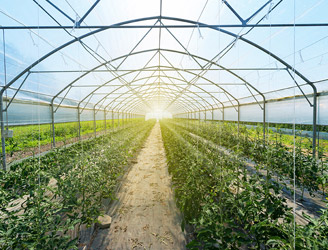
This is a bigger concern for growers with large high tunnels or poly hoop houses and who grow their crops directly in the ground. If you grow hydroponically or in raised beds above-ground, the direct effects of this runoff isn’t as big of a concern.
Contaminated water sources
All that said about erosion and runoff, that’s not to say that your above-ground, non-soil-contact greenhouse crops are automatically completely safe. For organic greenhouse growers in particular (though it’s highly recommended for ALL growers), it is a must that you get your irrigation and well tested for any contamination from other sources— including erosion and runoff— before growing.
All sorts of chemicals such as agricultural fertilizers, bleach, cleaning products, and even animal by-products or pathogens could be getting straight into the water sources you are using to irrigate your plant with, or directly into your hydroponics system. Not only might this impact the health of your crops and your product quality, but it can be a huge risk in the form of food safety and liability.
Chemical drift
Organic greenhouse growers may be the most aware of and sensitive to this, but conventional growers should be aware that this can impact their crops, too. Chemical drift happens when a nearby open farm or orchard sprays pesticides or herbicides, and if wind speeds are considerable, the drift can reach other unintended areas and cropland.
And yes— it can make its way into your greenhouse! Know the signs of chemical drift, which can include plant damage and die-off. Take the same precautions as with air pollution, and make sure your greenhouse is well filtered and ventilated. If you can, try to get in touch with neighboring farmers and operations that spray, and encourage them to spray on non-windy days for the health and well-being of your greenhouse business (especially if you are an organic one).
Heavy metal pollution
Trace heavy metals can have long-term deleterious effects on health. You definitely don’t want them to make their way into the food crops you grow, and then get into your customers hands! Chemicals like arsenic, lead, mercury, nickel, and others are some of the usual suspects. These can get into the soil from things like lead paint from old buildings (that have been removed), runoff from chemical and electric companies or warehouses, and other activities (past and present). And yes: these things can get into the soil, your water, AND be brought to your greenhouse site via erosion.
If you grow directly into the ground under your greenhouse, get your soil tested for heavy metals before production. Test your well for the presence of heavy metals, too.
Sewage issues
Nothing will have a more immediate impact on your customers’ health (and the safety of your business) than finding out there are human- or animal-caused pathogens from sewage getting into your greenhouse! Of all these risks, sewage poses the most urgent food safety concern, and must be prevented at all costs.
Be aware of where your greenhouse site is established in relation to nearby sewage sites, plants, and large animal confinements. Be aware of how and where runoff from these sites could reach your greenhouse, even your groundwater and well. Test for all these possibilities. If contaminants (especially human-caused) make someone sick from contact with or consumption of one of your products, the risks to your business can be hard to come back from both legally and infrastructurally.
Highways, flyways, and railroads
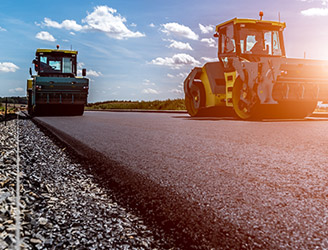
Everyone wants their greenhouse operation or nursery to be as accessible as possible, especially if it is open to the public. However, be aware of the environmental risks and pollution dangers that being too close to a highway, railroad, or even a busy airport could cause: vehicle emissions can and do have negative impacts!
If any of these are a concern, be sure to follow the precautions of dealing with either chemical drift or air pollution. A very well-ventilated greenhouse will slash down your risks. If you can, however, opt to have your greenhouse as far away from high traffic areas as possible— especially railroads, where not only emissions may be an issue, but heavy metal contamination from railroad tracks and equipment may pose their own risks as well.
Greenhouse growers do have options when facing environmental risks near a greenhouse. Many of these can be avoided through planning in advance, as well as regular testing and optimization of ventilation. As a last line of defense against environmental risks near a greenhouse, and to fully protect your greenhouse, consider greenhouse insurance to ameliorate not only infrastructural safety risks but anything to do with liability, crop loss, and more!
Learn more about GrowPro, the largest greenhouse grower insurance solution of its kind!

