









Summary:
- Climate-controlled greenhouses, AI tools, and biotechnology are pushing floriculture into a new phase of efficiency, variety, and customer reach.
- Sustainability pressures and climate variability continue to challenge growers and reshape floriculture production strategies.
- This blog discusses the market drivers and operational challenges defining the floriculture industry in 2025, and what they mean for growers planning ahead.
The global floriculture market is on a sharp upward path, valued at USD 63.49 billion in 2025 and expected to nearly double to USD 115.86 billion by 2035. That kind of growth signals more revenue and a changing business landscape.
But what is floriculture? At its core, it is the cultivation of ornamental plants, including cut flowers, potted plants, bedding plants, and greenery that move through homes and commercial events every day.
But behind these common floriculture examples, the market is transforming rapidly as consumer preferences reshape everything from floriculture greenhouse operations to distribution channels, while growers balance traditional methods with accelerating technological change.
This blog explores the trends and challenges defining floriculture production in 2025 and what they mean for your business.
Market Forces Driving Floriculture in 2025
You’re competing in a market that’s getting smarter end-to-end, from how you grow to how you sell.
The biggest shifts come in contact with your benches, your labor plan, and your margins. So, here’s where the momentum is, and how you can put it to work.
Climate-Controlled Greenhouses & Precision Ops
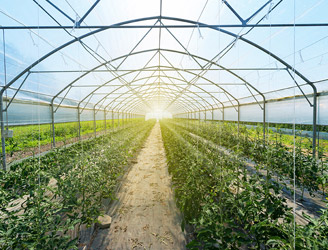
States like California, Florida, and Michigan keep leading because infrastructure and climate are on their side, but it’s the tech stack inside the houses that’s moving the needle. Smart controls can help you consistently meet specifications and prove it to buyers.
- IoT sensors and automated vents/heating/humidity deliver tighter climate bands in a floriculture greenhouse, improving uniformity and lowering shrink
- Precision fertigation (EC/pH targeting) reduces input waste and evens growth across bays
- Computer vision for crop staging tightens timing for pinching, spacing, and harvest
- Blockchain traceability gives retailers confidence on source, handling, and sustainability claims useful leverage when negotiating shelf space and pricing.
E-Commerce and Direct-to-Consumer Channels
Online demand has surpassed bouquets now. Bedding packs, foliage, kits, and subscriptions are what consumers are demanding if you solve speed and condition-on-arrival issues.
- Partner with regional platforms to shorten the last mile, and align availability to local holidays and micro-seasons
- Subscription bundles (seasonal color, patio refresh, etc.) smooth cash flow and production planning
- Ship-ready SKUs such as protective sleeves, breathable cartons, and moisture locks, to cut damages and credits
- Store-pickup with time windows reduces delivery risk while keeping D2C margins
The Influence of AI, From Plant Health to Planning
AI is finally practical on the grower’s desk and on your phone. If you understand how to use it where precision matters and labor is tight, you’ll be winning.
- Image recognition flags early disease/pest signals so you intervene before spread, less spray, less loss, healthier floriculture turns
- Sensor streams (moisture, nutrients, and/or pH) powered by neural nets guide watering/fertility per zone, not per house
- Yield forecasts blend weather history and current canopy to right-size sow/prop and staffing
- Inventory/pricing tools watch regional trends, recommend pack sizes, and clear laggards before they become write-offs
Biotechnology & Sustainable Variety Development
Your buyers want color and shelf life without the footprint. To make that happen, breeding and biotech are meeting you halfway.
- New genetics target disease and heat resistance, and facilitate longer post-harvest, raising sell-through on premium floriculture plants
- Trait work on color/fragrance/longevity supports differentiation at retail without punishing production schedules
- Drought-leaning selections cut irrigation needs and support responsible floriculture production in water-sensitive regions
Bottom line is to double down where technology and genetics give you control. The growers who operationalize these shifts will set the pace for 2025.
Current Challenges Being Faced by Floriculture Growers
The floriculture industry keeps posting impressive growth numbers, yet growers will tell you the reality on the ground is getting tougher by the season.
Input costs keep going up alongside labor expenses, and smaller growers are feeling it worst because they simply can’t buy in bulk or spread overhead the way larger operations do.
Then there’s the energy and logistics mess, since flowers and foliage aren’t exactly forgiving when transport temperatures fluctuate, making every shipment both costly and risky when trucks break down or routes get delayed. Therefore:
- Shipping delays raise shrink rates, eating into profit
- Workforce shortages stretch crews thin during peak seasons
- Climate variability means inconsistent yields, pushing you toward controlled environments that require upfront investment
- Over 80% of growers adopt sustainable practices like water-efficient irrigation and recyclable packaging, but cost remains a barrier
Meanwhile, soil quality keeps deteriorating in many growing regions while water becomes harder to secure, making it nearly impossible to plan beyond the next few seasons in floriculture production, particularly in areas already dealing with drought or environmental restrictions.
These are structural challenges that need proactive strategies to stay competitive in the upcoming years.
Building a Resilient Floriculture Business with Insurance
Innovation is increasing output, as well as concentrating risk. A failed chiller, a contaminated batch, a routing hack, or a crew injury can stall a season.
Therefore, it is advised to treat risk like any other input and build a layered insurance that keeps you operating when something breaks.
- Property damage coverage (incl. Equipment Breakdown) protects greenhouses, boilers, chillers, automation, and climate controls
- General & Product Liability covers third-party injury/property damage and claims tied to plants or arrangements
- Workers’ Compensation funds medical care and wages after injuries to keep teams whole
- Cyber Liability safeguards D2C sales, ERP, and connected greenhouse systems
- Contractors’ Pollution Liability addresses pesticide/fertilizer spills, overspray, and clean-up costs
- Umbrella Liability provides higher limits for large retail or municipal contracts.
This is where GrowPro fits. It specializes in hydroponic growers, floriculture greenhouse operations, and indoor vertical farms, backed by risk control and compliance resources.
With 35 years of experience and memberships in AmericanHort and the National Hemp Association, GrowPro helps you protect people, product, and profit. Ask your broker about GrowPro or contact us directly to explore coverage built for floriculture.
FAQs
Q1. What is floriculture in FFA?
In the National FFA (Future Farmers of America) Organization, floriculture involves the study and practice of greenhouse operations, floral design, and plant science, preparing students for careers in professional growing and floral businesses.
Q2. What are the products of floriculture?
Key floriculture products include cut flowers, potted flowering plants, foliage plants, bedding plants, and nursery crops. These products are sold through retail shops, e-commerce, supermarkets, and directly to consumers.
Q3. Is a flower greenhouse profitable?
A floriculture greenhouse can generate solid returns when operators balance several factors effectively: getting climate control right, keeping energy costs in check, and matching production to market demand while managing input expenses carefully.
Q4. Which is the best insurance for floriculture?
The best insurance for the floriculture industry is a program built for growers’ unique risks. GrowPro offers tailored coverage for greenhouses and indoor farms, combining liability, property, and workers’ compensation under one trusted package.

