



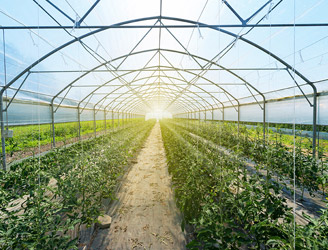





Working in a greenhouse has some risk, but with a bit of awareness, greenhouse owners can create a safe environment for workers.
It all starts with safety protocols that should apply to every last person and every single aspect of running a greenhouse or hydroponic business for the benefit and well-being of everybody (both health-wise and financially). This goes for owners, employees, and other personnel that are commonly working within the structure too. Every individual should matter and be considered when it comes to safety, from manager to trainee.
Some may overlook such details, but what you wear (as either owner, operator, or employee) is especially crucial when it comes to safety and protecting yourself and your enterprise from any legal complications as well. Keep reading and learn about what constitutes the best footwear for hydroponics and greenhouse safety, especially when working around potentially hazardous horticultural tools, appliances, chemicals, and other things.
Close-Toed Footwear
Spending time in a greenhouse with open-toed shoes or sandals sounds nice and comfortable, especially when it comes to the heat. While it’s something an employee or someone else might enjoy, you should send workers home to change their shoes if they are open-toed. Or, you can hand them a new pair— close-toed this time.
Working in greenhouses or around hydroponic systems with high volume commercial production means you will be carrying heavy objects, maneuvering over rough territory, or even stepping in and near sharp and dangerous places. Not to mention, in some very large production areas, large machinery may be present.
If anything (and if your employees can afford it, or write it off as a business expense), you should recommend steel-toe work boots for optimal safety and reducing injury or accidents.
Waterproof Footwear
This is a no-brainer: obviously, footwear should also be somewhat waterproof or water resistant, seeing as it will be in the presence of humid environments, greenhouse irrigation, and watery hydroponic systems. If workers or other personnel have substantial leather or other materially made work boots, waterproof sprays are available to help make the footwear they already have more water resistant for the job, if need be.
The best-known footwear materials for waterproof traits and overall durability include leather, rubber, and nylon. But what does this have to do with safety?
The more footwear becomes compromised after repetitive exposure to moisture, the less safe and protective it will be. Waterproofing or investing in waterproof work footwear thus not only improves worker comfort, but also shields against other potential hazards by improving the footwear’s protectiveness and effectiveness in the first place (and over the long term).
Slip Resistance and Improved Grip
Preventing falling or slipping accidents is huge for greenhouse and hydroponic businesses, as well as many other types of enterprises where these accidents can happen. Because workers will be in damp areas, footwear should not only be waterproof: it should also be slip resistant and have good grip, too. Even in the most well-kept and maintained greenhouses and hydroponic systems, leaks and spray can and do happen— and preventing slips and falls is the most important detail in best footwear safety.
Being around potentially wet floors and surfaces should always be taken into account in the workplace. Most high-quality work boots and water-resistant shoes come hand-in-hand with slip resistance, though it still doesn’t hurt to double check not only brands and labels in this regard, but the bottom grips of the shoes themselves.
Chemical Resistance
In addition to water and slip resistance, chemical resistance is especially important to greenhouse footwear that will effectively promote safety and prevent injury (or worse, lawsuits).
Applying pesticides, herbicides, or chemical agricultural fertilizers is part and parcel to many hydroponic and greenhouse businesses— and spills can certainly happen. In some cases, having only close-toed footwear is not enough to protect against chemical burns, irritation, or exposure that can impact your health, making chemical protective wear absolutely essential— and it should be stressed in all safety protocols that involve gear and wear.
For the applications of certain chemicals (especially in enclosed and sometimes unventilated areas like greenhouses), employers will require complete skin, head, and foot coverage with the right PPE to prevent any health hazards. This should definitely always include footwear.
High Tops
Though it’s a small detail to consider when it comes to workplace safety, high top boots (instead of standard ankle high boots) can offer a couple additional safety measures that might too easily be overlooked.
Firstly: high tops add strength and support to the ankle, which can provide better prevention of slips, falls, tripping, and injuries. Secondly, high tops also cover more surface of the foot, ankle, and leg, and thus protect more of the body against punctures, chemicals, and other injuries or hazards.
If employees and other personnel have the choice between ankle high work boots or high tops, it may be more prudent to go with high tops, as they do offer some more protection as greenhouse safety footwear and are not to be underestimated!
Great Arch Support and Fatigue Prevention
Long-term health and comfort should be accounted for when it comes to safety footwear, too. While not the same as cutting down on acute injuries or accidents, it’s good practice to encourage and recommend footwear that is ergonomic, comfortable, and supportive for not just the feet, but the whole entire body as well.
This means footwear with great arch support and comfort that also prevents fatigue and wear on the back and legs, which over time poses as its own type of bodily injury— only in slow motion. Most greenhouse or hydroponic businesses may also have very hard floors, typically concrete or cement, and over time these incredibly hard surfaces can take their toll.
In addition to body-supportive footwear for hard surfaces, you can improve worker health by providing or encouraging gel insoles, the use of fatigue prevention mats, and more.
Worker safety (and your own safety!) is incredibly important while you run your greenhouse business or hydroponic system. While many of us start these businesses for the beauty and serenity they give some of us to be able to work with horticulture, we still shouldn’t let our guard down— and that applies to what we wear, too.
Learn more about GrowPro, the largest greenhouse grower insurance solution of its kind!

