





Summary:
- Tree removal and spraying create environmental exposure when chemicals or runoff move beyond the work zone, even during routine jobs.
- Contractors pollution liability insurance addresses gaps that general liability often does not, especially for drift or overspray.
- This blog explains how contractors pollution liability insurance applies to arboriculture work and how tree service firms can manage environmental risk more confidently.
When dicamba was approved for use on genetically engineered crops, few expected it to become one of the most disputed herbicides in U.S. agriculture. Drift and off-target movement ended up damaging millions of acres of neighboring crops. This resulted in lawsuits and regulatory reversals.
Now, here’s why this matters to tree service owners and arborists. Dicamba wasn’t misused by bad actors alone. Much of the damage happened during routine applications, under real-world conditions. Wind shifts and temperature changes, along with spray movement, turned “normal work” into environmental claims.
Tree removal and spraying operations face the same reality. When chemicals, fuel, or runoff move beyond your work zone, the conversation quickly shifts from workmanship to pollution. That’s where contractors pollution liability insurance enters the picture, often in ways contractors don’t expect.
This blog will help you understand how contractors’ pollution liability coverage applies to your day-to-day operations.
When Tree Operations Become Pollution Events
Most pollution claims in tree work start with ordinary jobs where materials move beyond the work area. A spray may drift farther than expected, or a rinse-out may run toward a storm drain. Fuel might seep into the soil during removal.
Pollution exposure usually comes from a few repeated situations.
- Spray drift or overspray affecting nearby trees, gardens, or turf
- Runoff carrying chemicals into soil, drains, or shallow groundwater
- Fuel, hydraulic fluid, or bar oil is leaking during cutting or stump work
- Treated debris left on the soil where roots or vegetation absorb residue
This is where HOAs and local authorities enter the picture. Neighbors and locals are often the ones who raise complaints or request testing in order to push for cleanup.
Simply put, pollution liability insurance for contractors is protection for situations where routine tree operations are alleged to have caused environmental harm. That is why it becomes relevant even when the job itself looks straightforward.
How Contractors’ Pollution Liability Applies to Spraying and Removal
Tree work creates pollution exposure in two very different ways, but both lead to the same question. When something moves beyond your work zone, who is responsible for the impact?
Spraying Operations and Off-Target Impact
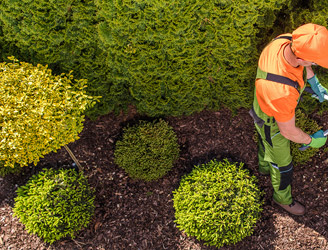
Spraying is one of the most common triggers for pollution-related claims in arboriculture. Even when you follow the label and apply carefully, conditions on the site can change quickly.
- Spray drift or fine mist reaching neighboring trees or landscaped areas
- Temperature and wind shifts that carry chemicals farther than expected
- Overspray damaging ornamentals, turf, or untreated trees
Once damage is alleged, intent no longer drives the outcome. What matters is whether the application is viewed as a pollution condition. This is where contractors’ pollution liability policy often responds, especially when general liability policies do not.
Tree Removal Operations and Environmental Pathways
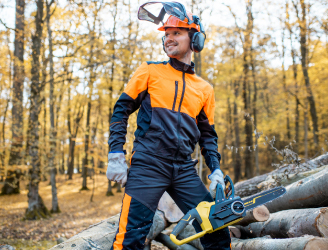
Tree removal is often overlooked in pollution discussions, but it carries its own exposure.
- Fuel, hydraulic fluid, or bar oil leaking into soil
- Soil disturbance during stump grinding or root removal
- Runoff carrying residue toward drains or groundwater
These situations can trigger cleanup demands or third-party claims, even if the release was small.
A contractors pollution liability insurance is designed to address these types of allegations. During a contractor’s pollution liability application, insurers focus on how you control spraying and document site conditions. Strong controls reduce disputes, while clear records help support contractors’ pollution liability coverage when claims arise.
What Underwriters Quietly Evaluate in Tree Operations
When insurers review your business, they are not expecting flawless operations. What they want to see is that you work the same way every time and that risks are managed on purpose.
They pay close attention to how repeatable your processes are.
- How spraying decisions are made and documented
- Whether crews follow set weather and site rules
- How equipment is inspected and maintained
- Where chemicals and fuels are stored and handled
Insurers look for signs that safety steps are part of daily work. Clear scopes also reduce friction.
When your service agreements clearly explain what you do and what you do not do, disputes are easier to control. This is especially important when spraying or working near sensitive areas.
Moreover, if you use subcontractors, their actions still reflect on you. Insurers expect you to verify their practices and contractors’ pollution liability coverage.
Therefore, strong fundamentals make contractors pollution liability insurance easier to place and more reliable when questions or claims arise.
Protecting Your Business in a Changing Environmental Landscape
Tree care today operates under closer environmental attention than it did even a decade ago. That shift is permanent.
For arborists and tree service owners, this means responsibility extends beyond the cut or the spray. It includes where runoff travels and how sthe urrounding land is affected.
Contractors pollution liability insurance exists to support this reality, as a safeguard when outcomes are questioned despite best efforts.
This is where TreePro fits into the conversation. It is built around the risk landscape of tree removal and spraying. What this means for you:
- Coverage designed around arboriculture exposures, including CPL alongside core operational lines
- Risk management support aligned with ANSI and OSHA practices and environmentally responsible SOPs
- Documentation guidance that reduces claim friction and speeds resolution
- Access to brokers who understand tree contracts, municipal requirements, and field realities
Talk to your broker about TreePro, or contact us directly. Let’s make your operations safer and more insurable.
FAQs
- What is contractors’ pollution liability?
Contractors’ pollution liability covers third-party claims tied to pollution conditions caused by your operations, such as spray drift/runoff or fuel leaks. It applies when routine work is alleged to cause environmental damage beyond the jobsite. - What is the limit for pollution liability insurance?
Pollution liability insurance limits are risk-driven, not fixed. Limits commonly range from $1 million to $10 million, depending on operations and contract requirements, and how much downstream environmental impact a claim could trigger. - What is PLL insurance coverage?
PLL insurance coverage, also called pollution legal liability, addresses cleanup costs, third-party bodily injury, property damage, and legal defense tied to pollution events. It responds when claims fall outside what general liability policies are designed to handle. - Which is the best contractors pollution liability insurance?
The best contractors pollution liability insurance will be the program that covers your day-to-day risks. Programs like TreePro are built specifically for arborists, aligning coverage, risk guidance, and documentation support with tree removal and spraying exposure.