








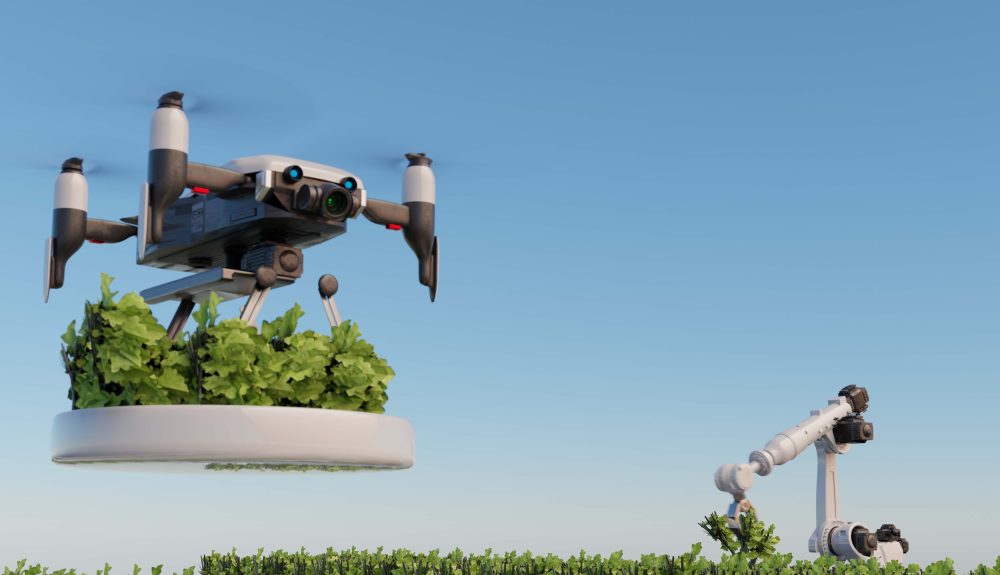
You’ve likely felt the pinch around labor shortages and rising input costs, forcing growers to rethink how they manage operations. For greenhouse and nursery businesses, manual methods just aren’t cutting it anymore.
As a result, more operators are investing in greenhouse automation systems for efficiency and long-term viability.
Even research institutions are taking note.
The University of Florida’s IFAS program is using $1 million in grant funding to explore automation technologies like timed sprayers and robotic systems.
This proves that plant nursery automation is no longer a concept for the future. So, let’s break down the key components of modern automation and how it’s reshaping your industry.
Key Components of a Modern Greenhouse Automation System
A greenhouse automation system is a layered setup designed to reduce guesswork and put you in control. Knowing key components aids in planning cost-effective upgrades for greenhouses and nurseries.
- Environmental controls: These manage temperature, humidity, airflow, and even CO₂ concentration. With proper calibration, you can minimize plant stress and optimize photosynthesis
- Irrigation and fertigation systems: Timed or sensor-triggered water and nutrient delivery saves on resources and improves uniformity across batches
- Smart lighting and shading: These systems adjust dynamically to natural light availability, helping you maintain year-round consistency and reduce electricity waste
- Integrated software and sensors: These act as the brain of the operation, connecting devices and feeding you real-time performance data, often through your phone or desktop
Most setups also allow for integration with nursery automation equipment, creating a seamless workflow from propagation to shipping.
How Greenhouse and Nursery Automation Are Changing Daily Operations
When you step back from daily tasks, the real impact of automation becomes clearer. It changes how you plan and scale across your nursery or greenhouse.
Here’s what that looks like in action:
- Labor flexibility: During peak seasons, automation helps you run lean without sacrificing output. You don’t need as many hands on deck for watering or nutrient dosing
- Resource precision: With built-in sensors, you can manage water, nutrients, and electricity down to the zone or even individual bench. That kind of control wasn’t possible before
- Higher consistency: When a greenhouse automation system handles watering and ventilation, variability drops. Plants receive exactly what they need, when they need it
- Simplified compliance: Whether it’s pesticide logs, irrigation timing, regulatory compliance, or climate data, your system handles the tracking, reducing paperwork and audit stress
What Are the Business Outcomes with Greenhouse Automation?
Automation is a lever for smarter and faster business decisions. Once you implement a well-designed greenhouse automation system, your visibility expands, and you move from reacting to planning.
More Predictable Yields and Shorter Production Cycles
When irrigation and fertigation are automated, crop cycles become more consistent. That means you’re less exposed to human error or weather timing.
You’ll also see fewer losses along with better batch uniformity. This, in turn, allows you to promise timelines to buyers (and actually hit them).
Higher Output With Lower Labor Pressure
Instead of hiring more seasonal workers every spring, your existing team can manage larger production volumes thanks to automated irrigation and nursery automation equipment.
Tasks that once required constant oversight, like misting or venting, run on set protocols. That means fewer staffing bottlenecks and the flexibility to redirect your labor toward value-added tasks like customer service or propagation.
Better Margin Control Through Resource Efficiency
Automated systems use only what’s needed, so no more overwatering, wasted nutrients, or energy-draining lighting cycles.
These efficiencies look good on a sustainability report, as they show up in your margins. Over a season or two, reduced inputs can significantly offset the cost of your automation investment.
Greater Readiness for Expansion and Multi-Site Scaling
Whether you’re taking on a new property or doubling production within your current footprint, greenhouse automation solutions create repeatable systems.
Control dashboards and alert settings can be mirrored across zones or locations. That means growth doesn’t come with chaos, and your quality doesn’t nosedive just because you got busier.
GrowPro: Grow Smarter with the Right Coverage
Automation brings consistency and clarity to your growing operation, but it doesn’t eliminate risk. In fact, with more tech on the ground and more data in play, new vulnerabilities often appear in places you didn’t expect.
That’s why GrowPro’s horticultural insurance program was designed with greenhouse and plant nursery automation businesses in mind.
Here’s what GrowPro covers, so you’re not left guessing:
- General liability for your premises, plus equipment-related breakdowns
- Cyber and product liability, especially critical with software-integrated systems
- Coverage for pollution, employee safety, and even business interruption
With more than 35 years of experience behind it, GrowPro combines deep industry knowledge with flexible and customizable coverage options. Whether you operate a greenhouse or nursery, GrowPro keeps your progress protected.
Ask your broker to sign you up today or contact us to know more.
FAQs
- What is an automated irrigation system for greenhouses?
An automated irrigation system uses sensors, timers, or climate data to deliver water precisely when and where it’s needed. In a greenhouse automation system, it helps maintain consistency, reduce waste, and improve plant health at scale.
- What is the auto control system for greenhouse temperature?
This system uses thermostats, sensors, and programmable logic to manage heating, cooling, and ventilation. As part of a greenhouse automation system, it maintains optimal growing conditions while minimizing manual adjustments and energy usage.
- What’s the best insurance for greenhouse automation businesses?
GrowPro is one of the few insurance programs built specifically for greenhouse automation system operators and nursery professionals. It combines tailored coverages with deep horticultural expertise and nationwide flexibility.
- Does automation affect my eligibility for horticultural insurance programs?
It can, but often in a good way. Some insurers view automation, especially in plant nursery automation, as a sign of lower manual risk. That may open doors to better coverage terms, assuming your systems are well-maintained.

