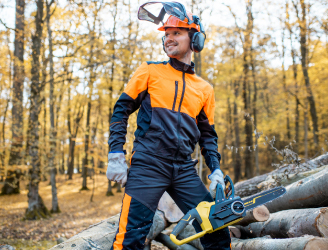
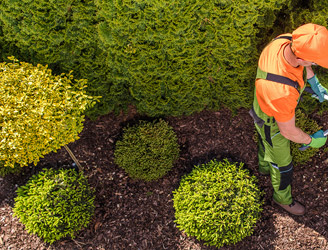










The tree service industry is rooted in opportunity—urban expansion, climate-driven storm recovery, and a growing emphasis on sustainable landscaping are fuelling demand for tree care and tree service businesses. That said, building a successful tree service business requires more than agility and skill with a chainsaw. It demands strategic planning, rigorous safety protocols, and a shield against the unpredictable. You need to take off your arborist’s hat and think like a business-owner, sales and marketing professional, and risk analyst all wrapped in one.
This blog presents a step-by-step guide how to start a tree service business in 2025, protect it from risks (through tree service insurance programs), and pursue growth,
Step 1: Licensing & Certifications
Before your first job, secure the right credentials.
Most states require tree service businesses and individuals to hold arborist licenses or ISA certification. For specialized services like crane operations or utility line clearing, additional training is non-negotiable.
In addition, understand licensing and permit laws in detail. For instance, did you know that removing a tree in a historic district without a permit can lead to stop-work orders?
Meanwhile, rural towns may require permits for roadside clearing.
Sounds like a lot of studying? Here’s a shortcut: Always call the city or check their website before starting a job.
Step 2: Equipment & Safety
Start with essentials that tree services businesses need to function: chipper trucks, stump grinders, climbing gear, and PPE.
Once you’ve got gear and boots on the ground, prioritize OSHA-compliant protocols: weekly equipment inspections, aerial rescue drills, and fall protection systems. Remind yourself and your team: A single accident, like a rigging failure or untreated rot causing a tree collapse, can halt your still-nascent operations. A fledgling business cannot afford that. You need continuity more than your established peers.
Step 3: Service Diversification: Expand Your Reach
Don’t limit yourself to basic removals. Offer niche services like:
- Utility Line Clearing: Partner with local power companies.
- Plant Health Care: Diagnose diseases or pest infestations.
- Emergency Storm Response: Market 24/7 availability for storm-damaged trees.
- Snow & Ice Removal (in colder regions): A rare but critical offering covered by TreePro.
Step 4: Marketing Your Tree Service Business
- Hyper-Local SEO: Use keywords like “emergency tree service [City]” in Google My Business.
- Invest in Near Me Search
- Social Proof: Post before/after videos of complex jobs on TikTok or Instagram. (Or at least keep the videos handy to show to potential customers)
- Partnerships: Collaborate with landscapers, HOAs, and insurance adjusters for referrals
- Tell Your Network: Announce to friends, neighbors and that very talkative grandma you meet when you walk your dog that you’ve started a tree service business. Ask them to root for you and spread the word. You might be surprised who comes through for you!
Step 5: Financial Management
Track expenses like fuel, equipment repairs, and seasonal labor. Additionally, account for hidden and unexpected spends like OSHA fines, chipper blade replacements, and storm cleanup delays. These can strain your fledgling tree service business’ cash flow. Set aside 10% of revenue for emergencies and explore equipment financing.
Step 6: Insurance
Even with flawless execution, risks linger. Imagine a subcontractor injury or a crane accident damaging a client’s property. TreePro specializes in tree service insurance programs covering:
- General Liability: Property damage or third-party injuries.
- Workers’ Compensation: Employee injuries during high-risk tasks.
- Equipment Breakdown: Repairs for chippers, cranes, or stump grinders.
- Commercial Auto: Coverage for trucks and trailers.
- Snow & Ice Removal Liability: A unique offering many competitors exclude.
With 35+ years in the tree service industry, TreePro provides TCIA-aligned safety resources and an A+ financial rating for reliable claims resolution.
Step 7: Modernizing Strategically in 2025
For small tree service businesses, running a modern business isn’t about flashy tech. It’s about smart, affordable tools. Consider a basic drone to safely inspect tall or storm-damaged trees, reducing ladder risks and impressing clients with aerial before/after photos. Pair this with budget-friendly software for estimates and invoicing (like Jobber or QuickBooks).
For rural areas, a used bucket truck might be a wiser investment than brand-new equipment.
Step 8: Compliance: Stay Ahead of Regulations
Staying compliant isn’t just paperwork. It’s about protecting your tree service business from fines, lawsuits, and lost contracts. Here’s how to navigate key requirements:
- ISA Certification: (We touched upon this in Step 1 as well) Most states require certified arborists for complex jobs (like removals near power lines). Skipping this could mean losing bids to competitors.
- OSHA Audits: Surprise inspections happen. Keep logs of safety meetings, equipment inspections, and fall-protection drills. A ladder inspection tag can prevent a $16,000+ penalty.
Step 9: Customer Retention: Build Trust
Repeat customers are the bread and butter of small tree service businesses. Here’s how to build loyalty without breaking the bank:
- Transparent Quotes: Use simple software like Jobber or QuickBooks that we recommended earlier to create itemized estimates. Clients trust clarity—no surprises means no disputes.
- Loyalty Discounts: Offer something like a 10% discount on annual pruning contracts for returning customers. Throw in a free “storm prep check” or at least send out a “storm prep checklist” each fall to stay top-of-mind.
- Referral Bonuses: “Store credit” for every new client referral rewards existing customers and grows your base organically.
Step 10: Mitigate Risks with TreePro Insurance
Even seasoned professionals face unpredictability. Imagine a rigging failure during a removal, causing a branch to crush a parked car. Or a subcontractor’s injury leading to a workers’ comp claim. TreePro’s tree removal insurance program addresses these scenarios and more:
- General Liability: Covers third-party property damage or injuries ($1M+ limits).
- Inland Marine Insurance: Protects tools and equipment on transit.
- Umbrella Coverage: Extends liability for high-risk jobs (e.g., near power lines).
- Snow & Ice Removal: Rare inclusion—critical for northern businesses.
With TCIA-aligned safety resources and A+ financial backing, TreePro ensures claims don’t derail your growth.
FAQs
How to start a tree removal business legally?
Obtain ISA certification, local permits, and tree service insurance programs like TreePro’s general liability.
What risks do tree service businesses face?
Slips and falls, property damage, equipment theft. Mitigate with safety training and specialized insurance.
What’s the best insurance for a tree care business?
Your best choice is TreePro. It gives you comprehensive liability, equipment, and workers’ comp coverage tailored for businesses like yours, which means fewer coverage gaps and exclusions.
Best tree service advertising ideas for 2025?
Invest in geo-targeted ads and near-me search for storm and other tree care services
Why choose TreePro’s tree removal insurance program?
TreePro offers comprehensive protection and covers all types of tree care businesses.