












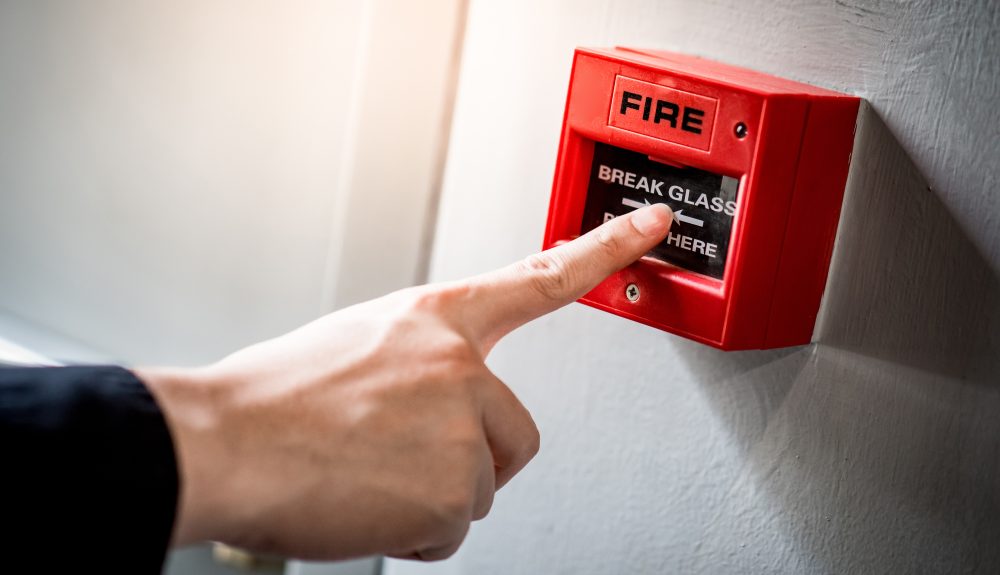
You dread this as a security and fire alarm installation expert. Your client calls—understandably furious—saying that your system failed them. They’ve been robbed, and your security system did not sound the alarm. You know it’s not your work. Something must have gone wrong with the system itself, but what do you do!
Whether it’s a faulty fire alarm system malfunction, a system failure without batteries, or just a malfunctioning alert that causes unnecessary problems, the last thing you need is to be stuck without proper coverage.
Filing an insurance claim for a fire alarm system malfunction (or even home insurance) can be a bit of a process, but knowing how to tackle it makes the whole thing much smoother. Here’s a breakdown of how to file that fire alert system malfunction claim, and how your insurance can have your back in tough times.
Investigate the Cause of the Malfunction
Before filing a claim, make sure you’ve pinpointed the problem. An alarm system malfunction claim is usually more successful when the cause is clear. Go over to your client’s home or office and try to figure out the cause without tampering with anything. Was it an issue with your installation? Did it happen because of faulty parts or poor maintenance? You’ll need all this information for your insurer. If your installation is at fault, do not panic, one-offs like this are exactly why you have professional liability insurance.
Here’s what you should do:
- Inspect the system: Check for any obvious faults, like power issues or dead batteries.
- Get an expert to assess the problem: If you can’t figure it out yourself, reach out to an alarm technician to verify what went wrong.
- Document everything: Take photos, videos, and detailed notes about the malfunction and the damage it caused.
Contact Your Insurance Provider
Once you’ve confirmed the problem, it’s time to contact your fire alarm system insurance provider. When you file an alarm system malfunction claim, be prepared with all the facts. You’ll need to provide specific details for a smooth process.
Here’s a checklist to make it easy:
- Policy number: Have it handy so they can quickly locate your file.
- Description of the malfunction: Was it a malfunction of the fire alert alarm system or a security system failure? Be as specific as possible. As tempting as it as, and as anxious as you feel, don’t try to shift blame; that’s not going to work. The right insurance will protect you even if you’ve made a mistake.
- Damage details: What damage occurred as a result of the malfunction? Was it property damage or a breach of security?
- Maintenance records: If you were not called in for scheduled maintenance, your case just got stronger (in your favor). Ensure you bring maintenance records (or the lack of scheduled maintenance) to the table, especially if you called or emailed your client a reminder.
- Repair estimates or bills: Provide an estimate of what repairs or replacements will cost especially if your client expects you to absorb these costs (as they might see this as your mistake).
- Claims and lawsuits: If your client is suing you for a faulty system, you should definitely include this in the information you pass to your insurance provider.
File the Claim: What to Expect
Once you’ve got everything together, it’s time to file your alarm system claim. Depending on your provider, this could be done online, over the phone, or in person. Ask for clarification if you’re not sure about any part of the process. You’ll be asked to fill out the necessary forms and provide your documentation.
Be sure to:
- Fill out the claim form completely: Provide accurate details, as leaving out information can slow things down.
- Submit supporting documents: Attach all relevant evidence, like photos, maintenance records, and repair estimates.
- Stay on top of communications: After you file, stay in touch with your claims adjuster to track the progress.
Be Prepared for an Inspection
After you file your alarm system malfunction claim, the insurance company may send an adjuster to inspect the damage or malfunction. The adjuster’s job is to verify your claim and assess the situation, so make sure you’re ready to show them all the documentation and evidence you’ve gathered.
Here’s what to expect:
- A site visit: The adjuster will ask to visit your customer’s home or office to evaluate the extent of the damage and the cause of the alarm system malfunction. We’ll say this again: As tempted as you may be to disallow this or attempt a cover-up in case you’re worried you made a mistake, allow the process to follow due course. This is exactly why you have insurance in the first place.
- Questions about the malfunction: Be prepared to answer questions about how the system was installed, its age, and, as we discussed earlier, the maintenance track-record.
- A determination of the payout: Based on their inspection, the adjuster will decide what the insurance company will cover.
Repairing or Replacing the System
Once the claim is approved, the real work begins: getting the system back in working order for your customer. Whether it’s a fire alarm system malfunction or security alarm failure, the insurance for alarm system failures will either cover the cost of repairs or provide a payout for you to replace your customer’s system.
Here’s how the process works:
- Repairs: If the damage is minor, your policy might cover the repair costs.
- Replacement: If the system is beyond repair, your policy may offer a replacement or the equivalent value to buy a new one.
Understand Your Deductible
Now, before you start celebrating, remember that your insurance for alarm service may come with a deductible—meaning you’ll have to pay a certain amount out-of-pocket before your coverage kicks in.
Make sure you’re clear on:
- The deductible amount: Understand how much you’ll need to pay yourself.
- How it affects your claim: In some cases, a high deductible could make it less worthwhile to file the claim, especially if the damage is minor.
Preventing Alarm Failures
At the end of the day, you want to prevent alarm failure from reoccurring, or better still, ever happening in the first place!
Here are some tips:
- Set up regular checks: Explain the dangers of skipping regular maintenance to your customers.
- Educate customers on batteries and components: Don’t let your carefully installed fire alarm system malfunction due to old batteries or outdated parts. Agreed, this is their lookout, not yours, but (since you are the first to get blamed when things go wrong) you can support your customers with reminders and documentation (this also protects you from any liability—you’ve done your bit by educating and reminding them).
- Document everything: Keep records of your inspections, maintenance, repairs and also about your efforts on the two points above.
AlarmPro: Insurance for Fire and Security Alarm Pros
AlarmPro by NIP Group’s got your back when it comes to protecting your business. With over 35 years of know-how, this specialized insurance program is built just for fire and security alarm system providers. Whether you’re installing, repairing, or maintaining alarm systems, AlarmPro offers top-tier protection to keep your business safe and running smoothly.
What’s Covered?
AlarmPro has everything you need, including:
- Property Coverage: Protects your business property from damage.
- General Liability: Covers you if anything goes wrong on the job.
- Commercial Auto: For accidents involving your business vehicles.
- Workers’ Comp: For when your crew needs medical help after an on-the-job injury.
- Excess Liability: Extra protection for those big risks.
- Inland Marine: Keeps your equipment safe while on the move.
Why Go with AlarmPro?
Expert Risk Management: AlarmPro’s got world-class services to help you manage and assess your business risks. They know the industry inside and out, and they’ll help you protect your assets.
Fast Claims Processing: If something goes wrong, AlarmPro makes sure you’re back on track fast with quick claims handling. No time wasted.
Flexible Payment Plans: Don’t stress about paying up front. They offer competitive rates with flexible options to fit your budget.
Who Can Get AlarmPro?
If you’re in the fire and security alarm game, this is the insurance you need. It’s for businesses that:
- Install, service, or repair fire and security alarm systems.
- Work with communication equipment, like radios and office machines.
- Handle telecommunications cables.
Right now, AlarmPro is available in California, Massachusetts, New Jersey, New York, and Pennsylvania. So, get in touch with your broker today and make sure you’re covered.
Contact NIP here. Speak with an expert: 800-446-7647.
FAQs
What do I need to file an alarm system insurance claim?
To file a claim, you’ll need your policy number, a detailed description of the malfunction, any damage caused, maintenance records, and repair estimates.
How do I know if my fire alarm system malfunction claim is covered?
Your insurance should cover issues like faulty fire alarms, system failures (including battery issues), damage caused by malfunctioning systems and professional oversight, even honest errors in your work. Always check the details of your specific policy to understand what’s included.
What happens after I file my alarm system malfunction claim?
After submitting your claim, an adjuster will inspect the damage and verify your case. Based on their evaluation, they’ll determine the payout or coverage.
How long will it take for my claim to be processed?
The processing time can vary, but once your claim is filed and all documentation is submitted, the claims adjuster will review and assess the damage, and you’ll be updated regularly throughout the process.
How can I protect my alarm business from future alarm system claims?
Document follow-ups and reminders for regular maintenance, such as setting up routine checks, updating batteries, and replacing outdated components. And of course, cover your business with business and professional liability insurance that can provide financial protection in case of a professional oversight that snowballs into a lawsuit.

