







Summary
Growing stock is more than a single inventory number.
Plant maturity, seasonality, location, production time, and sales channel can all affect how stock values change throughout the year. Understanding those factors can help greenhouse growers, nurseries, and garden centers prepare for a more productive insurance review.
This guide outlines the information businesses should consider when evaluating growing stock and related property exposures.
Why growing stock is different from standard inventory
Plants move through multiple stages before they are ready for sale.
A seedling, partially developed plant, mature specimen, and finished retail product may represent different levels of investment and potential value. That value can also change as labor, materials, growing time, and other production costs accumulate.
Unlike standard merchandise that may remain relatively consistent while it is stored, growing stock can change in:
- Size and maturity
- Market value
- Production cost
- Seasonal demand
- Location
- Intended sales channel
These factors can make it difficult to represent growing stock through one fixed inventory value.
The appropriate valuation approach will depend on the operation, policy terms, and underwriting requirements. Growers should work with their insurance advisor to understand how growing stock is treated and what records may be needed.
What affects growing-stock value?
Growth stage
Stock value may increase as plants move through the growing cycle.
A young plant may represent the cost of propagation and early production. A mature plant may include months or years of labor, materials, maintenance, and growing time.
When reviewing values, consider how stock is distributed across stages such as:
- Seeds and cuttings
- Seedlings
- Partially grown plants
- Finished plants
- Mature trees or shrubs
- Stock prepared for retail sale
An inventory made up primarily of mature or slow-growing plants may carry a different exposure than one that can be replaced within a shorter production cycle.
Seasonality
Growing-stock values may fluctuate significantly throughout the year.
Nurseries and garden centers may build inventory before spring and other peak selling periods. Greenhouse growers may also adjust production based on crop schedules, customer demand, or contractual commitments.
A value reported during a slower period may not reflect the operation’s peak exposure.
Businesses should consider:
- When inventory reaches its highest level
- Which products drive seasonal increases
- How long peak inventory is maintained
- Whether stock values vary by location
- Whether holiday or seasonal crops create temporary concentrations
Reviewing both average and peak values can help create a more complete picture of the operation.
Location
Growing stock may be distributed across multiple areas, each with different exposures.
These may include:
- Greenhouses
- Outdoor growing fields
- Shade houses
- Warehouses
- Cold-storage areas
- Retail garden centers
- Temporary or leased locations
The type of stock and value at each location should be documented. A total company-wide inventory figure may not show where the largest concentration is located or how much stock could be affected by a single event.
Location information can also help identify dependencies involving heating, cooling, irrigation, power, and other property systems.
Sales channel
The intended sales channel may also affect how stock is evaluated.
A grower may sell through:
- Wholesale distribution
- Retail garden centers
- Landscape contractors
- Direct-to-consumer channels
- Contract-growing arrangements
- Online or seasonal sales
Stock intended for retail sale may have a different expected value than stock sold through a wholesale arrangement. Contract-grown plants may also involve customer specifications, longer production cycles, or limited alternative buyers.
Businesses should be prepared to explain how their stock is sold and how reported values were developed.
Production time and replacement difficulty
Some stock can be replaced within one growing season. Other plants may take several years to reach a marketable stage.
Longer production cycles can create additional challenges following a loss. Even when replacement plants are available, they may not be available at the same maturity, quantity, or time of year.
Relevant considerations include:
- Typical time from propagation to sale
- Availability of replacement stock
- Seasonal planting and sales windows
- Specialized or uncommon varieties
- Customer commitments
- The time needed to restore normal inventory levels
Property systems can affect growing stock
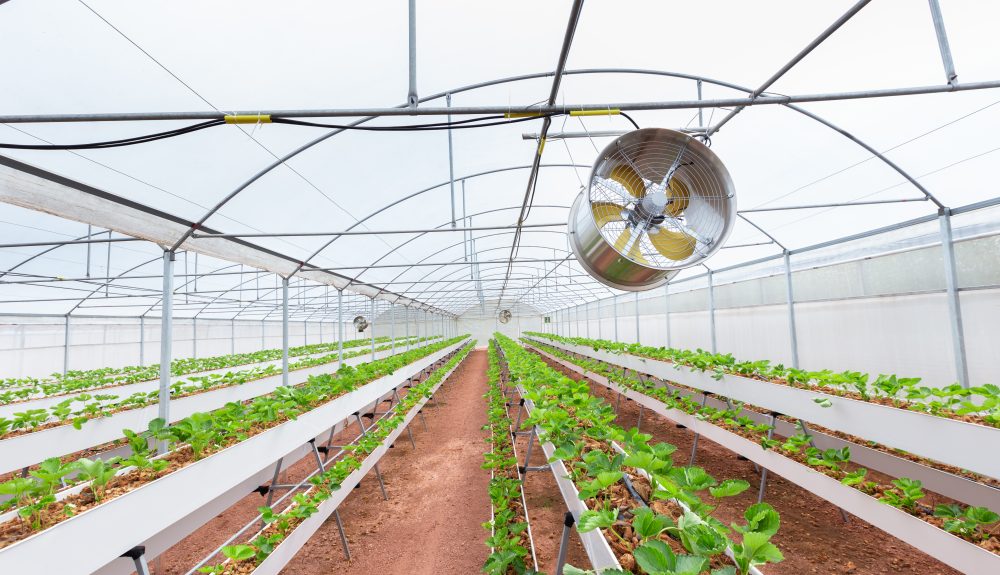
Growing stock often depends on more than the physical greenhouse structure.
Environmental and operational systems may include:
- Heating and cooling
- Ventilation
- Irrigation
- Lighting
- Humidity controls
- Electrical equipment
- Pumps and water systems
- Backup generators
- Monitoring and alarm systems
A failure involving one of these systems could affect stock even when there is limited direct damage to the building.
For example, a heating failure during cold weather or an irrigation interruption during a high-temperature period may create a time-sensitive situation. The impact may depend on how quickly the issue is detected and whether backup systems are available.
Growers should review how these systems support their inventory and whether equipment values, maintenance practices, alarms, and contingency plans are current.
GrowPro: Coverage Built for the Modern Greenhouse
Greenhouse technology is advancing faster than most coverage programs were designed to keep pace with. A policy written three years ago may not reflect the systems, the valuation, or the cyber exposure of the operation you’re running today.
GrowPro is built specifically for greenhouse growers, nurseries, and garden centers.
It covers equipment breakdown, product liability, umbrella liability, contractors’ pollution liability, and more. All structured around how modern greenhouse businesses actually operate.
Specialized endorsements for growing stock and hydroponics address exposures that standard policies consistently miss. The program is available nationwide with a minimum package premium of $10,000, backed by more than 35 years of green industry expertise.
Talk to your broker about GrowPro. Make sure your greenhouse business insurance reflects what you’re actually running in 2026.
FAQs
What is an example of a greenhouse technology?
A strong example of greenhouse technology in action is AI-powered pest management. Systems like PATS, first deployed in Dutch commercial greenhouses, use computer vision to analyze insect flight patterns and direct small drones to intercept and eliminate pests on impact. It removes targeted pesticide applications entirely and operates continuously without manual oversight.
What services are offered by greenhouse technologies?
Greenhouse technologies cover a broad range of services, including:
- Environmental monitoring and climate control through wireless sensor networks
- Automated irrigation and rainwater harvesting systems
- Robotic planting, spacing, harvesting, and pest management
- LED spectral lighting systems optimized by plant type and growth stage
- AI-driven analytics platforms for yield tracking and decision support
The common thread across all of these is reducing manual labor while improving consistency and crop output.
How is AI being used in greenhouse technology?
AI is being used in greenhouse technology across several areas. Cultivar selection is one. Syngenta’s Tomato Vision facility uses AI alongside DNA sequencing to predict optimal hybrid varieties before physical testing begins. Pest management is another, with computer vision systems identifying insect size, speed, and flight patterns to automate control. AI-driven climate platforms are also making production decisions in real time, based on continuous data from sensor networks throughout the growing environment.
Which is the best insurance for greenhouse businesses?
The best insurance for greenhouse businesses is one purpose-built for horticulture operations, covering the structure, growing stock, equipment, cyber liability, and pollution in a single program. GrowPro fits that description, with specialized endorsements for hydroponic systems, growing stock, and agricultural property that standard commercial policies routinely miss.