









The tree care business is a challenging one. Routine tree maintenance is difficult enough that it requires specialized support crews and heavy machinery, and storms only add to this complexity, presenting new hazards and creating situations where tree service is essential for restoring local infrastructure. With the Atlantic hurricane season currently in full effect on the east coast, tree care businesses can expect to see an increased demand for their storm recovery services.
We’ll explore some of the post-storm safety tips and strategies that tree services should employ, as well as discussing how regular tree maintenance can avoid difficult scenarios for recovery crews while mitigating property loss.
Post-Storm Safety Tips for Tree Service
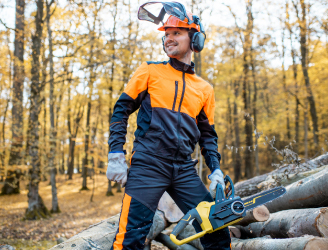
Tree service is critical to post-storm recovery efforts. By clearing roadways and making buildings and grounds safe for inhabitants, tree care businesses aid critical emergency support services and enable the return of necessary infrastructure to storm-wracked areas. In addition to providing a safe environment to residents, removing potential tree fall hazards helps to also mitigate property & utility damages as well.
Utility management after a storm occurs is Because these crews must contend with unstable trees as well as external hazards – like live wires – while also managing ongoing storm elements – like wind, water, ice and other debris – their jobs are especially challenging.
According to the Tree Care Industry Association (TCIA), there are several safety tips that tree care businesses must adhere to in these scenarios.
A crucial first step to preventing climbing injuries & tree fall accidents is to first evaluate the job site and trees in the area. Tree service professionals should ask whether or not the tree can be saved by assessing major limb and branch damage. If any nearby property or utilities stand to be struck by a damaged tree, it goes without question that all potential hazards should be removed. However, if the tree only requires some minor pruning and remains relatively intact, tree professionals should work to restore it.
A central piece of safety advice for tree crews engaging in post-storm recovery is to:
- Avoid climbing whenever possible, in favor of using machinery.
- Climb trees only when they absolutely must.
Tree care businesses should rely on mechanized support from cranes, bucket trucks and skid-steer loaders. Keep in mind that bucket trucks should only be used to position workers appropriately, not to lift.
For instances where climbing cannot be avoided, crews should:
- Inspect the tree’s structural integrity before climbing.
- Remove any broken or weak limbs that could create a potential climbing or fall hazard.
- Send the most experienced climbers up.
- Make support available from climbers on the ground.
- Maintain contact over the radio.
TCIA provided additional advice for staying safe during post-storm tree maintenance. Crews should not assume that down or pinned wires are dead. They should also anchor them before removing debris. The publication also recommended that crews from tree care businesses should wait until nightfall to service trees that might house nests for bees, wasps or hornets.
Given the high risk factor, carrying the proper tree removal insurance is an absolute necessity when providing post-storm recovery. As a business owner, not only should you ensure the safety of your company, but carrying the proper coverage for your crew in the event of an accident or injury is vital as well.
It is recommended that you verify your policy limits will cover relief work in anticipation for a natural disaster. Understanding what your tree removal insurance policy will and won’t cover will help to establish the safety plan your crew needs to navigate disaster recovery without injury.
Best Practices for Post-Storm Tree Care Businesses
The second installment in TCIA’s series on post-storm recovery advice for tree care businesses included several best practices for workers to follow when they prepare for their jobs.
First of all, subjects who were interviewed by TCIA cautioned that tree care businesses should properly maintain their equipment and ensure their permits are updated at all times. That way, they’re ready to go whenever they need to be.
When a storm is approaching, these companies should contact local dumpsites to verify the locations have extra capacity. The tree care business should also staff up and establish clear prioritization protocols for in-office workers so they can effectively handle the influx of calls.
When they head out into the field to conduct essential tree services, companies should prepare to be without common infrastructure for an extended period of time. This means they should stock up on extra supplies like:
- Water.
- Food.
- Clothing.
- Fuel.
- Power.
- Lighting equipment.
- Personal protective equipment (PPE).
Crews should bring their newest vehicles in top working order and be prepared to camp as necessary for the duration of their job. Once they arrive on a worksite, they should first manage downed wires, then proceed to access trees and, if climbing will be necessary, assess the safety of those trees. TCIA also notes that on-the-ground situations can shift between when a tree care business is contacted and when they arrive, which requires workers to adapt and improvise.
Ongoing Tree Maintenance Helps Mitigate Against Loss
In order to make post-storm work easier and prevent damage from occurring in the first place, regular tree maintenance is important year-round.
A KLTV report noted that monitoring for signs of decay, as well as regular pruning, can help property owners avoid damage during a storm. The story also recommended planting trees a safe distance away from buildings.
Want to know what makes TreePro the right insurance for arborists? Click here to learn more.

