








Summary
- Nearly half of 2024’s agricultural weather losses went uninsured, and greenhouse growers felt that gap directly.
- Knowing what climate risk insurance actually needs to cover for protected cultivation changes what you carry and how well it holds up.
- In this blog, we break down what’s at stake and what coverage greenhouse growers need today.
In 2024, U.S. farmers lost $20.3 billion to weather disasters. Of that total, approximately $9.4 billion remained uninsured, falling outside coverage limits or failing to qualify under existing risk management programs. That’s nearly half of all agricultural weather losses for the year, unprotected.
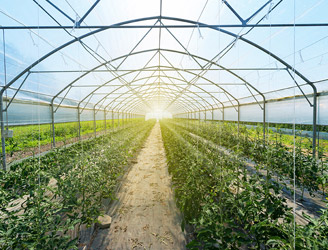
For greenhouse growers, that number hits differently than it does for outdoor producers. Protected cultivation is supposed to reduce weather exposure, and structurally, it does.
But the facility itself, the growing stock inside it, and the systems keeping everything running. All of that represents a concentrated asset profile that a single extreme weather event can compromise in a matter of hours.
2025 set a record for billion-dollar severe storm events in the U.S., with 21 such events. Climate risk insurance for greenhouse operations has moved from a planning consideration to an operational necessity, and this blog discusses the same in detail.
Why Greenhouse Operations Face a Specific Climate Risk Profile
You’re insuring a structure, along with the:
- equipment keeping that structure functional
- living inventory inside it
- liability exposure that comes with running a chemically and mechanically intensive growing operation (sometimes in close proximity to neighboring properties and waterways)
A University of Florida IFAS Extension series on storm resiliency for greenhouse producers identified three distinct damage categories from severe weather.
- Structural damage to the facility itself
- Crop and plant losses from sudden exposure
- Equipment failure from flooding or wind-driven debris
From an insurance standpoint, each of those categories requires different coverage. Standard agricultural policies typically address only one of them well.
Environmental risk management adds another layer. Water usage compliance, chemical runoff standards, and carbon-related reporting requirements are tightening at the state level.
A climate risk insurance policy written for a simpler regulatory environment may not respond to claims that arise from those evolving obligations. That’s a gap that most growers don’t discover until they’re filing a claim, and the policy language doesn’t match the exposure.
Must Read: How Climate Change Is Transforming Crop Insurance Policies
What the Right Climate Risk Insurance Covers
A strong climate risk insurance program addresses all the core coverage areas. Not as optional endorsements, but as core components of the policy.
Crop Insurance Built for Protected Cultivation
Crop insurance for a greenhouse grower and standard outdoor crop insurance are not the same product. Protected cultivation has its own risk profile. Pests and diseases that thrive in controlled environments. Contamination risks from recirculating water systems. Growing stock losses that can’t always be assessed the way field crops are.
A policy with a growing stock endorsement is a fundamentally different product from a field crop policy adjusted to include a structure. One that recognizes the dynamic value of living inventory rather than treating plants like static property.
Structure and Equipment Breakdown
The glazing and climate control systems in a commercial greenhouse represent significant capital.
When a hailstorm damages poly covering, that’s a property claim. When a heat dome causes an automated climate system to fail and the crop dies as a result, that’s an equipment breakdown claim. Often a separate event entirely from the storm that triggered it. Both need to be covered.
Standard property policies frequently exclude equipment breakdown. Climate risk insurance programs written for greenhouse operations account for that distinction.
Environmental Liability for Chemical Exposure
Climate resilience strategies for greenhouse operations often involve herbicides, pesticides, and soil amendments. During a flooding event, those inputs can reach neighboring properties or waterways. When they do, the resulting environmental claim falls to you.
Contractors’ pollution liability addresses this exposure specifically. Standard general liability was not written for it, and that difference matters when a flooding event triggers a runoff complaint from a neighboring property owner.
Cyber Liability for Connected Growing Systems
Modern greenhouse operations run on connected technology. Automated irrigation, IoT-driven climate platforms, and AI-based growing controls. A cyber incident that compromises those systems doesn’t produce a data breach in the traditional sense. It produces a crop loss event.
Climate risk insurance that doesn’t account for the operational dependency on connected systems is working with an incomplete picture of what the business is actually exposed to.
Must Read: Is Your Garden Center Covered for Pesticide Claims?
Risk Management That Makes Coverage Work Better
Environmental risk management practices affect how your coverage is underwritten and how your claims are evaluated when something goes wrong.
Insurers writing climate risk insurance for greenhouse operations look at how well the business manages its own exposure. A few specific practices that matter:
- Upgraded structural components, such as stronger glazing and reinforced framing, reduce the frequency and severity of structural damage claims from wind and hail events
- Documented drainage and water management systems that limit flood exposure and demonstrate active regulatory compliance
- Redundant climate control systems that prevent a single equipment failure from becoming a total crop loss event
- Written pest and disease management protocols that support crop insurance for a greenhouse grower’s claims when contamination losses occur
Each of these reduces risk. Each of them is also something an underwriter weighs when pricing and structuring climate risk insurance for a greenhouse operation. Climate resilience strategies that exist only in practice but not on paper are harder to use in your favor when a claim arrives.
GrowPro Is Built for the Climate Exposure Picture
Climate risk insurance for greenhouse operations is a program that needs to reflect the
- value of living inventory
- dependency on connected equipment
- environmental liability exposure
- structural investment in the facility itself.
GrowPro is built specifically for greenhouse growers, nurseries, and garden centers. It covers:
- General liability
- Property
- Equipment breakdown
- Product liability
- Umbrella liability
- Contractors’ pollution liability
- Workers’ compensation
- Cyber liability
Specialized endorsements for hydroponics, growing stock, and agricultural property address exposures that standard commercial policies consistently miss.
The program is available nationwide, with a minimum package premium of $10,000. It’s especially backed by more than 35 years of green industry insurance expertise. So, talk to your broker about GrowPro or contact us directly.
FAQs
- What is the climate insurance policy?
A climate insurance policy is coverage designed to protect businesses against losses caused by extreme weather and climate-related events. For greenhouse growers, climate risk insurance goes beyond standard storm coverage — it addresses crop losses, equipment breakdown, structural damage, and environmental liability specific to protected cultivation operations.
- Do insurance companies price in climate risk?
They do and increasingly so. As billion-dollar weather disasters become more frequent, insurers are adjusting both premiums and coverage terms to reflect the actual exposure. For greenhouse growers, working with a specialty program like GrowPro tends to produce coverage that’s more accurately priced for your risk profile than a standard agricultural policy would be.
- What are the four types of risks in insurance?
The four broad types are property risk, liability risk, human risk, and financial risk. For greenhouse operations, all four show up in a single extreme weather event:
- Property risk from structural and equipment damage
- Liability risk from chemical runoff reaching neighboring land
- Human risk from workforce disruption or injury
- Financial risk from uninsured crop losses and business interruption
Climate risk insurance built for greenhouse operations addresses all four rather than treating them as separate policies.
- What is environmental risk management?
Environmental risk management is the practice of identifying, assessing, and reducing risks that arise from a business’s interaction with the natural environment. For greenhouse growers, it covers chemical input management, water usage compliance, drainage systems, and runoff controls. All of which directly affect both regulatory standing and how climate risk insurance claims are evaluated when something goes wrong.

