











Tragedies like the one experienced by Dustin L. Gurney, a 38-year-old tree care professional from Janesville, Wisconsin, serve as a reminder of the potential dangers that can lurk within the tree care industry. While working as part of a tree company crew, Gurney encountered a fatal accident when a branch became entangled in a power line.
Unfortunately, incidents like this make headlines every day, and as business owners in the tree trimming industry, it is only natural that you are worried about the well-being and safety of your employees. Data also paints a not-so-rosy picture of the tree-care industry. According to statistics, the tree-care industry tops the list of deadliest
occupations in the United States. As devastating as the data is, it is critical that safety be the first priority for all involved in the tree care and trimming business—workers, business owners, and insurers.
Reports further depict that besides falling, slipping, getting struck by a tree, and equipment failure, electrocution was one of the top causes of death in the tree care industry. Yes, that’s right. Electrocution. In this article, we will explore the often-overlooked electrical hazards in the tree-trimming industry and provide essential safety guidelines to help safeguard your business.
Electrical Hazards In The Tree Trimming Industry
Let’s look at some electrical and electrical-adjacent dangers that you should look out for:
1. Overhead Power Lines: One of the most pervasive dangers lurking above tree care professionals is the presence of overhead power lines. Workers often find themselves in proximity to these lines as they climb trees to trim limbs, putting them at risk of electrocution.
2. Faulty Safety Equipment: The presence of faulty or inadequate safety gear can inadvertently expose individuals to electrical hazards. From malfunctioning harnesses to worn-out insulation on tools, any lapse in the tree trimming equipment safety can have dire consequences.
3. Falling Branches: While the focus on electrical hazards often centers around power lines, tree care professionals also face risks from the very trees they work to maintain! Falling branches, whether due to natural decay, unexpected shifts in weight, or unforeseen circumstances, pose a significant danger to workers below. The potential for these branches to come into contact with overhead power lines further amplifies the risk.
4. Roots and Underground Cables: Beneath the earth’s surface lies quite literally a cabal of roots and cables, where unsuspecting arborists may encounter underground electrical lines. Excavation or root pruning in proximity to these cables can potentially result in electrocution.
5. Equipment Interference: The proximity of electronic devices, such as chainsaws or chippers, to power sources can create a conduit for electrical currents, leading to equipment malfunction or shock.
6. Environmental Factors: While the elements of wind, rain, and snow shape the natural world, they also wield influence over electrical hazards in tree trimming. Wet
or damp conditions increase the conductivity of surfaces and equipment, heightening the risk of electrocution. Similarly, gusts of wind can sway branches into contact with power lines, amplifying the potential for disaster.
Effective Measures Against Electrical Hazards
As a tree care serving business, understanding and implementing proper electrical safety protocols for tree works can significantly reduce the risk of accidents and protect your workers from potential hazards.
How can you do this? Read below –
1. Train Employees And Conduct Pre-Work Hazard Surveys: Train your workers about the tree care industry electrical safety standards and hazards in a language they can easily comprehend. You may also want to make them fully understand and aware of the OSHA rules for tree care employees.
Additionally, before commencing any tree care operations, survey the work area thoroughly for potential electrical hazards. Identify overhead power lines and ideally maintain a distance of at least 10 feet from them, as per the regulations laid down.
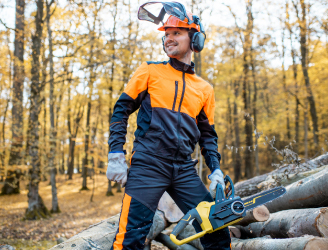
2. Provide Proper Personal Protective Equipment (PPE): Ensure that your employees have access to the appropriate PPE for electrical work. This includes properly insulated footwear, gloves, and other necessary protective gear. Insulated footwear is particularly important, as electricity can travel through the ground in unexpected cases.
3. Request Power Line De-Energization: Before commencing tree care operations, consider contacting the utility company to de-energize nearby power lines. This extra precaution significantly reduces the risk of accidental contact with energized lines.
4. Maintain Awareness And Be Ready For Emergency: Always assume that power lines are energized to avoid complacency. Remember, one moment of carelessness can lead to fatality. Also, you always want to be prepared for emergencies. Establish an emergency plan that outlines the steps to be taken in the event of an electrical incident. This plan should include procedures for evacuating workers, contacting emergency services, and administering first aid.
Harnessing Insurance Against Electrical Hazards In Tree Trimming
If you are a business in the tree trimming servicing industry, the safety of your employees is in your hands. But despite the most robust efforts, and the utmost care, accidents can happen. In such instances, you want to protect your people and your business from financial ruin.
For over 35 years, NIP Group’s TreePro program has provided specialized protection designed specifically for tree pros. With TreePro, you get comprehensive policies and risk management made the unique risks your team faces on the job.
What TreePro delivers:
- Coverage for high-capacity equipment other insurers shy away from
- Protection for emerging utility arborist risks
- Proprietary risk management solutions to prevent claims before they happen
- Insurance built for your needs. No gaps. No hassle. No overpaying for things you don’t need.
Contact us today to learn more about our insurance solutions. Safeguard your business with confidence—contact us to protect your team (and your business) today.