












We recently interviewed Anthony Ven Graitis, SVP of Risk Management at our company, to discuss foundational safety practices, the importance of company culture, and the role of technology in the tree care industry.
Q1: What are the foundational safety practices that every tree care company should implement, and how do these practices evolve over time?
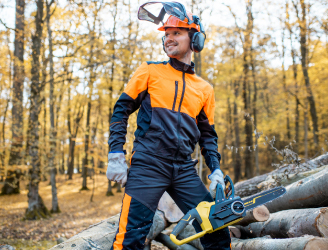
Anthony Ven Graitis: Tree care work is inherently risky, with potential hazards such as falls, electrocutions, heavy equipment impacts, and being struck by trees. To mitigate these risks, companies must prioritize several foundational safety practices. Firstly, employees should be properly trained and maintain certifications in tree care techniques, equipment operation, and safety protocols. Personal Protective Equipment (PPE) must be available for all employees, including helmets, chaps, safety glasses, ear protection, gloves, and appropriate footwear. Regular maintenance and inspection of all equipment, including chainsaws, ropes, harnesses, and climbing gear, are essential. A thorough job site assessment should be conducted before starting any tree care work to identify potential hazards such as power lines, unstable trees, uneven terrain, and nearby structures. Clear communication channels with clients and stakeholders are crucial. Additionally, a comprehensive emergency response plan should be in place, outlining procedures for responding to accidents, injuries, and rescues from heights. All employees should be trained on these procedures and know how to access emergency services if needed.
As the industry evolves, so must safety practices. Incorporating new technologies, equipment, and regulations is vital. New equipment can enhance safety and efficiency, such as safer climbing harnesses, mechanized tree trimming tools, and wearable technology. Training programs can now include virtual or online modules, accessible anytime, covering various topics. Changes in regulations or industry standards may necessitate updates to safety practices to ensure compliance and minimize risk.
Q2: Can you share an example of a tree care accident that could have been prevented with proper safety protocols?
Anthony Ven Graitis: Sadly, there are several incidents that could have been prevented with proper safety protocols. One catastrophic loss occurred after a large windstorm cleanup. Staff were working long hours, leading to shortcuts being taken. A crewman felled a tree in an area without a cleared evacuation route, without proper PPE, and without adequate training. The tree split and pivoted, pinning the worker against a log, resulting in the loss of his leg. Proper supervision, adherence to protocols, use of PPE, and a thorough job site assessment could have prevented this injury.
Another critical event involved a crew trimming trees from heights, with the drop zone set up too close to the tree work. A climbing line got entwined in limbs fed into a chipper, pulling a crew member violently against the chipper. Though the individual only struck the side, the injuries were severe. A properly cleared drop zone and separate brush/limb chipping area would have prevented this incident.
Q3: How does the company culture influence safety standards and practices in tree care?
Anthony Ven Graitis: Company culture significantly influences safety standards and practices. From my experience, a company’s safety culture starts with the owner or top management. A “safety first” mentality from the top ensures that employees follow safety standards and best practices, leading to a more organized work site and disciplined staff. Management holding employees accountable for safety performance encourages employees to hold each other accountable as well. This results in employees feeling more secure, performing their jobs better, and customers recognizing the safety culture. Organizations with strong safety cultures have better safety performance, reduced losses, and generally happier and more dedicated staff, supporting a thriving business.
Q4: What role do ongoing training and education play in ensuring safety in tree care operations?
Anthony Ven Graitis: OSHA is scrutinizing tree care operations due to continued negative fatality and serious injury trends. The industry experiences significantly higher fatality and injury rates compared to others. Regular training is essential in every organization’s risk management plan. Trained professionals understand the importance of following industry best practices and safety protocols, reducing the risk of accidents and property damage. Investing in training enhances the professionalism and reputation of the tree care industry, fulfilling its responsibility towards employees and public safety.
Q5: How does technology impact safety practices in the tree care industry today, and what do you see for the future?
Anthony Ven Graitis: Technology has significantly impacted safety practices in recent years. Most equipment now has safety shutoff switches to prevent engine overheating, boom or arm overloading, and emergency shutoffs based on proximity to danger zones. Telematics track vehicles and identify unsafe driving habits and maintenance needs. Wearable technology detects repetitive motion stress, unsafe body movements, and heat stress. Technology supplements comprehensive safety programs, providing data to ensure employee and equipment safety. The integration of smart technology in equipment and gear will continue to grow, reducing catastrophic losses due to poor training, heat exhaustion, distraction, or human error.
Q6: What advice would you give to smaller tree care companies that might struggle with implementing robust safety protocols due to budget constraints?
Anthony Ven Graitis: Smaller tree care companies don’t need to spend a lot of money to have a world-class safety program. The industry has many dedicated professionals and resources to assist in establishing best safety practices. Support can come from equipment manufacturers, retail shops, safety organizations, retired professionals, and insurance agents. Asking vendors, manufacturers, or insurance agents about available discounts on safety equipment or professional training is a good idea. Many organizations support small businesses in creating a safer workforce.
Q7: How does TreePro support their clients when it comes to ongoing risk management?
Anthony Ven Graitis: NIP Group devotes significant resources to TreePro clients to support risk management efforts. After servicing the tree care industry for over 35 years, our goal is to prevent every possible injury or loss to our program insureds and their employees. The tree care industry is full of experienced professionals with unique skill sets, but the work is inherently dangerous and unpredictable, making safety and risk management support a priority. We have safety professionals nationwide who assist with safety training, creating safety policies and procedures, and providing free risk assessments.
Additionally, online resources are available to every program insured, including sample safety policies, online training, videos, toolbox talks, safety bulletins, company claims data, and information libraries. Risk control staff are always available to assist with online walkthroughs, training administration, coordinating live services, or answering safety or risk management questions.

