



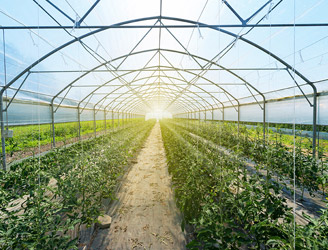



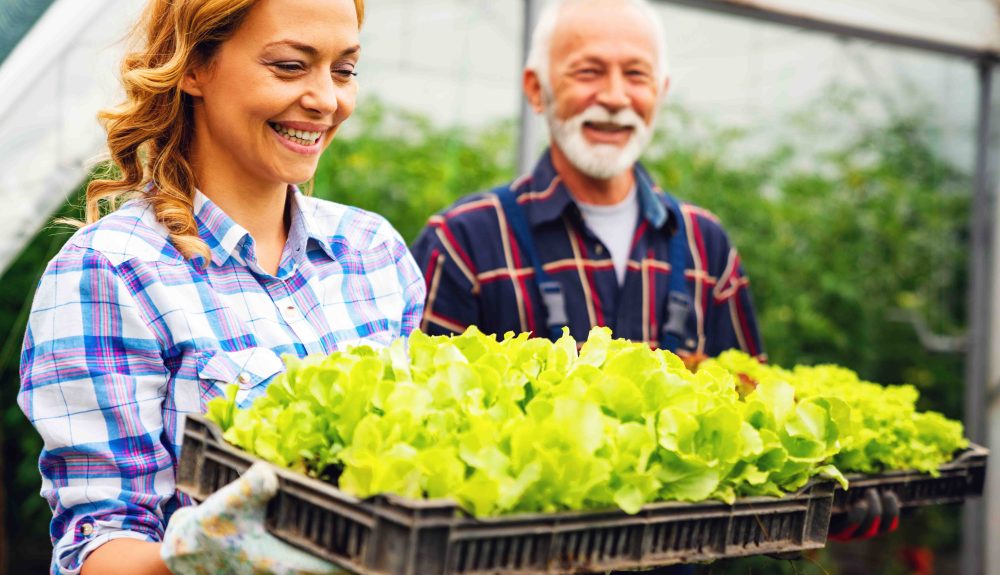
As climate change and increased costs continue to complicate traditional farming, the greenhouse market is expected to extend its run of impressive double-digit annual growth. While greenhouse growing cycles allow businesses to produce almost any crop year-round, greenhouse climate risks can pose a serious challenge for greenhouses and nurseries. As a broker, your clients and prospects depend on you to help them recognize — and protect themselves against — greenhouse weather challenges and other risks faced by indoor farmers and nurseries.
Climate change impacts on agriculture have led many growers to consider greenhouses and nurseries because they allow for some control over the growing environment. But even with climate control technologies, irrigation systems, artificial lighting, and automation tools, extreme weather and greenhouse farming are often at odds with each other. To prepare for the unexpected, greenhouse growers should consider these five climate-related risks.
1) Damage to greenhouse and nursery structures
Unlike many other structures, greenhouses and nurseries aren’t typically built to withstand high winds, hail, heavy snow, and hard rains. Weather-related damage to greenhouse and nursery structures can not only incur costly repairs, but also expose crops to harsh elements, posing a serious threat to growers in all parts of the country and during all seasons.
2) Droughts and water shortages
Droughts and other water shortages are another challenge for growers, particularly when a greenhouse’s water source experiences a jump in sodium and chloride levels. In cases of severe droughts, the local water supply may see an increase in sodium chloride content, which can in turn slow growth or increase the risk of plant injury or disease.
Water consumption limits or using alternative water sources can complicate greenhouse operations and potentially increase costs. While this might not be a problem for areas that aren’t prone to droughts and water shortages, focusing on sustainable greenhouse farming operations can help mitigate risk. Choosing drought-resistant crops for greenhouses such as peppers, kale, summer squash, grapes, and pomegranates can reduce water consumption and potential losses from water shortages.
3) Extreme heat and cold
Extreme weather can disrupt greenhouse heating and cooling schedules, putting plants at risk and adversely affecting crop yields. Both heat stress and cold stress can take a toll on plants in the short term, slowing growth or causing injury or death. Though greenhouses are designed for climate control, extreme temperatures can quickly overwhelm heating and cooling systems. With heat waves occurring more frequently, lasting longer, and bringing more intense temperatures, greenhouses and their heat-trapping designs might struggle to maintain a stable temperature for plants when outdoor temperatures reach extreme highs or lows.
4) Power outages and system failures
Climate change can translate to more frequent and severe storms, which may lead to power outages and system failures. Greenhouses — particularly those that use automation tools — rely on round-the-clock electricity to regulate the humidity, temperature, and water and nutrient delivery systems. As a result, power outages can devastate greenhouse plants, especially during the summer and winter months. While greenhouse crop protection strategies can include using alternative energy sources like solar or installing backup generators, these solutions can be costly and may not be feasible for every business owner.
5) Diseases and insect infestation
Climate change can create both direct and indirect challenges for greenhouses. Even in a climate-controlled greenhouse, insects and diseases still pose a persistent threat to crops. As global temperatures continue to rise (2024 marked the warmest year ever by average surface temperature since recordkeeping in 1880), insect populations and plant diseases may become more prevalent and more severe. These changes might threaten certain insect species, while paving the way for the proliferation of invasive species and increased greenhouse pest infestations.
How Greenhouse Business Insurance Can Help
The success of a greenhouse depends on the ability to consistently control the indoor environment. While greenhouse tools and technologies can help growers maintain stable conditions, climate change can pose a variety of challenges to owners of indoor farms and nurseries. When the unexpected occurs, greenhouse business insurance can help protect growers from weather-related financial losses with liability, property, inland marine, greenhouse yield coverage, and more.
NIP Group’s GrowPro program specializes in greenhouse and nursery insurance, offering coverages designed for the unique risks growers face in their day-to-day operations. With industry expertise and endorsement options that make it easy to customize coverages, GrowPro is the trusted choice for brokers and growers across the nation.
Visit the GrowPro web page to learn more, speak with an expert, or submit your accounts today.

