








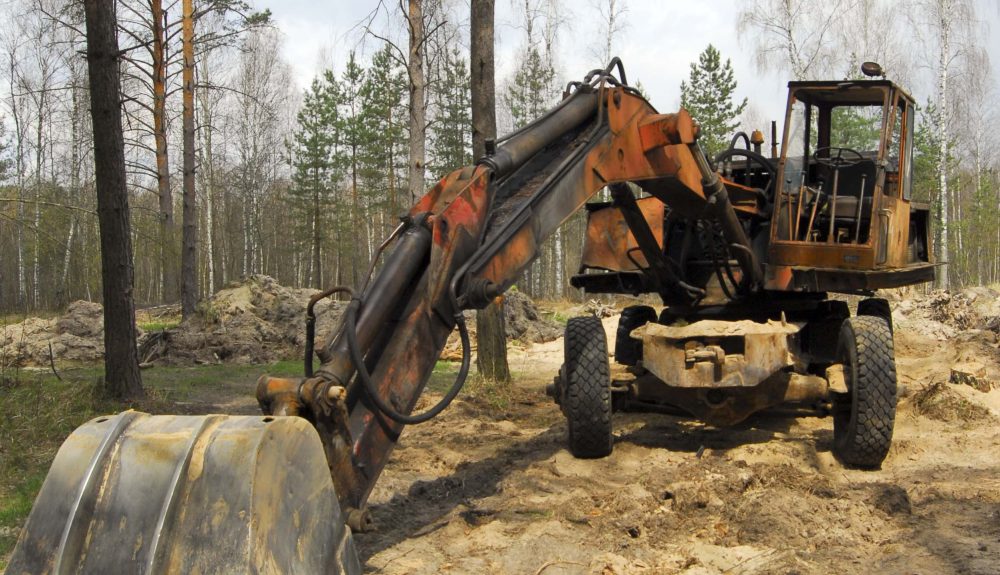
Imagine you’re in the middle of an important project, and your bulldozer or excavator suddenly breaks down due to a mechanical failure. The cost of repairs could set your business back for weeks, delaying your project and impacting your bottom line. Plus, the job might just go to someone else, or you may get fined for the delays.
Your heavy machines might seem indomitable, but the truth is that equipment breakdowns, accidents, and harsh weather conditions can affect them. That’s why you need insurance for heavy equipment!
In this blog, we cover the causes of damage, signs of damage, and how to use insurance to protect your business against equipment damage. Plus, we’ll explain how to evaluate heavy equipment insurance companies to ensure you are getting the coverage your business needs.
You’ve probably been working in construction and excavation for years, so you might already know some of this. However, as with any sector, you might sometimes find yourself becoming numb to everyday risks. Besides, conducting a quick mental checklist never harmed anyone!
3 Everyday Causes of Damage to Heavy Equipment
Weather Conditions and Pests
Constant exposure to heavy rain can erode the protective paint on your machines, while too much sunlight can weaken parts of the equipment. Similarly, muddy conditions during rainy seasons can cause soil to stick to various components, causing unnecessary wear and tear.
Pests like rodents can also cause damage by gnawing on cables.
Combat this with proper storage
Storing equipment in a closed environment, free from direct sunlight or excessive moisture, can help avoid these weather-related issues. Additionally, choose a rodent-free area and invest in pest control procedures.
Exposure to Corrosive Liquids
Chemical fluids and oils can also pose a threat to your heavy equipment. Certain materials, such as rubber, plastic, and paper, can degrade when exposed to oils or corrosive chemicals. This damage can result in the premature failure of important parts, potentially leading to costly repairs.
Combat this with documented operator’s SOPs:
How well your operators understand the machinery and operate it plays a significant role in the lifespan of your construction equipment. Improper handling, excessive force, or neglecting operational guidelines can easily lead to damage. It’s essential that operators are well-trained and familiar with the ins and outs of each machine to reduce the risk of accidents and mechanical failure.
Pro tip: Organize randomized tests and checks to ensure operators are following operational guidelines and utilizing machines with due care.
Shock in the Engine
Unpredictable terrain or rough job site conditions can result in heavy equipment shaking excessively. This puts additional strain on the engine and other vital components, such as shock absorbers, which can eventually fail due to repeated shock exposure.
Combat this by advising breaks:
Just like any machine, heavy equipment needs rest to function optimally. If equipment is used for extended periods without breaks, the engine may overheat, causing damage to internal components. It’s crucial for operators to recognize when equipment needs downtime to prevent costly breakdowns and extend its operational life. Paste instructions on equipment, and repeat training around such guidelines every few months.
Pro tip: Gamify tests to improve participation, performance, and information retention.
Symptoms of Heavy Equipment Damage
Even the most well-maintained excavators and other machines may show signs of damage over time. You need to train operators to notice these symptoms before they flare up into expensive maintenance issues (or before the machine simply gives up in the middle of a job).
Unexpected Stopping
A machine that unexpectedly stops during operation is an obvious red flag even if the machine jumps back into action immediately after a few instants. Unexpected stopping could indicate an issue with the engine or a malfunctioning system.
What does your operator need to do: Immediate inspection is necessary to prevent further damage.
Sudden Vibration
Vibrations are a normal part of any machine’s operation, but excessive shaking or abnormal sounds should be taken seriously. This can signal internal issues, such as loose components or mechanical failure.
What does your operator need to do: Contact a technician right away.
Unusual Sounds
If your heavy construction equipment starts making atypical noises, this could indicate that something is wrong. Unidentified sounds could be a sign of damage to the engine or other critical components.
What does your operator need to do: Don’t ignore these noises—investigate their source promptly. If they can’t tell what’s causing the sound, they need to call a technician.
Increased Temperature
Overheating engines are a common symptom of equipment damage. This could indicate problems with the cooling system or internal damage to the engine.
What does your operator need to do: Turn off the machine immediately.
Unusual Smells
An unusual or unpleasant smell, such as burning, is a strong indicator of internal damage. Continuing to operate a machine emitting a strange odor can cause irreparable damage, leading to even higher repair costs.
What does your operator need to do: Shut it off immediately and call a technician to investigate.
Tips to Use Insurance to Protect Your Business Against Equipment Damage
Opt for Specific Insurance
When selecting an insurance policy, it’s important to choose insurance for heavy equipment designed specifically for the intricacies of the construction industry. While generic business insurance may seem like a quick solution, it often leaves gaps in coverage.
For example, general insurance may not adequately cover the specific risks involved with operating machinery on construction sites, such as accidental damage to equipment, environmental risks like erosion, or damage caused by a mechanical failure that results from heavy use.
Choose Bundled Coverage
When looking for protection, consider getting bundled coverage for your equipment and operations.
Heavy equipment rental insurance is important, but so is general liability insurance. What happens if a heavy-equipment-related accident injures one of your workers or a bystander? What if your excavator hits a utility line and causes service disruption? What if the project is delayed due to damaged equipment?
These are scenarios where business liability coverage and worker’s compensation are vital. Having a comprehensive package that includes all necessary coverage types—such as general liability, business interruption, and workers’ compensation—provides an extra layer of protection for your operation, reducing the likelihood that a single event could financially cripple your business.
Choose an A+ Rated Carrier
One of the most important decisions you’ll make when selecting heavy equipment insurance providers is choosing a carrier with a strong financial rating.
An A+ rated carrier means the company is financially stable and can be relied upon to pay out claims quickly and without delay. This ensures that in the event of a major loss, your business is protected.
The difference between choosing an A+ rated heavy equipment insurance provider and a lower-rated one could mean the difference between receiving prompt and sufficient compensation or dealing with a slow, cumbersome claims process that impacts your ability to get back to work.
SitePro Lends Excavators Complete Protection for Heavy Equipment and More
SitePro offers comprehensive coverage that goes beyond the basics. SitePro’s heavy construction equipment insurance is specifically designed to meet the needs of the industry, offering protection for excavators, bulldozers, cranes, and other heavy machinery. With SitePro, you get full protection against damage, theft, and operational risks, as well as additional features like heavy equipment rental insurance for when your machines are in the shop.
But SitePro isn’t just about protecting equipment—it also covers your entire business operation from the various risks in excavation. Whether it’s protecting against accidental injuries on the job site, damage to infrastructure like utility lines, or the costs associated with project delays, SitePro ensures that your business remains safe from the financial risks of working with heavy machinery. Alternatively, if you want only equipment insurance, a good option might be a monoline equipment insurance policy. Don’t wait for an equipment breakdown, get protected today!
FAQs
Is there special insurance for heavy construction equipment?
Yes, SitePro offers heavy construction equipment insurance specifically designed to cover risks related to excavators and other heavy machinery. SitePro provides protection for both the equipment itself (against theft, damage, and breakdown) and the operational risks on construction sites (such as worker injuries, property damage, and project delays). It also includes features like heavy equipment rental insurance, offering coverage when your machines are out of action for repairs. SitePro’s specialized coverage ensures that your business is fully protected from every angle.
What if I want only equipment insurance?
A good option in such a scenario is EquipmentEdge specially designed for contactor’s equipment, covering 40 construction classes
How can I spend less on insurance or reduce heavy equipment insurance costs?
Cutting corners to reduce heavy equipment insurance costs might seem like a way to save money in the short term, but it can lead to far higher costs in the future. The goal of insurance is to act as a protective mechanism, saving you from massive, unforeseen expenses caused by accidents, damage, or theft. By investing in bundled insurance packages, you get comprehensive coverage that can be more cost-effective than purchasing individual policies. While the upfront costs may seem high, the protection offered by these policies ensures that your business won’t face devastating financial setbacks down the road.
Is SitePro available in all states?
Answer: Yes, SitePro is available in all states across the US. Whether you’re operating in a major metropolitan area or a remote rural location, SitePro’s comprehensive construction equipment insurance is designed to meet the needs of businesses nationwide. This nationwide availability ensures that wherever your equipment is being used, you’re fully covered. Contact SitePro to learn more about coverage options available in your area.
How much does heavy equipment insurance cost?
The cost of heavy equipment insurance can vary widely depending on several factors, such as the size of your operation, the age and condition of your equipment, and whether you use rented machinery. Typically, larger operations with more equipment will face higher premiums because of the increased risk associated with a larger fleet. Newer, well-maintained equipment may also result in lower insurance costs, as it’s less likely to break down or experience damage. On the other hand, older equipment or machinery with a history of problems may result in higher premiums.
Additionally, if you use rented equipment, some heavy equipment insurance providers offer coverage that includes heavy equipment rental insurance, which can increase your premium but provides additional protection when renting machinery.
While the costs can seem significant, the benefits far outweigh them. For example, some government and private-sector projects may require proof of insurance for heavy equipment before you’re allowed to even bid or participate.