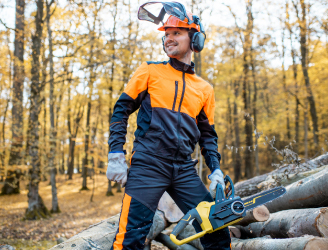






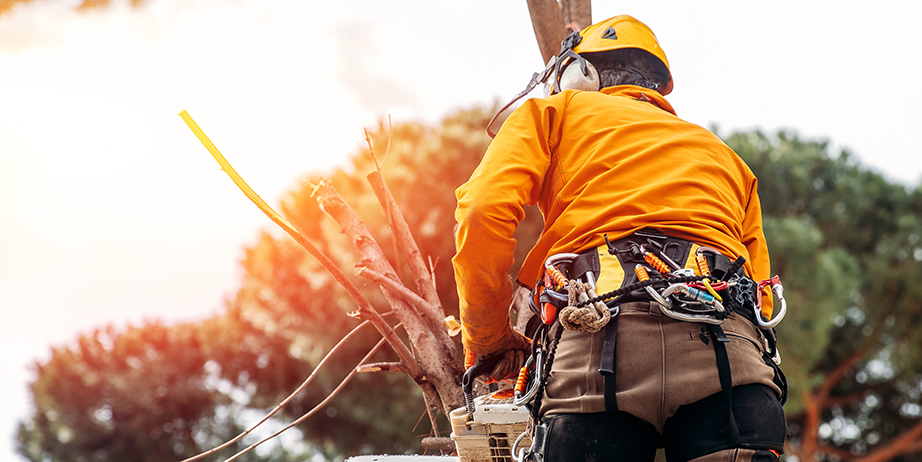
In 2023, 80 tree trimmers and pruners lost their lives on the job, according to the Bureau of Labor Statistics. Most of these deaths involved trees, logs, or falling tree limbs. This means that you and your team need to practice caution at all times.
If you’re running a tree care business, you’re already familiar with the hazards. From chainsaws and cranes to traffic zones and utility lines, every job comes with risk.
But one thing often gets overlooked. Many still rely on generic insurance for arborists that doesn’t fully reflect their work.
This blog is about giving your business the coverage it actually needs. Built for the field. Backed by experience. Designed to protect what you’ve worked hard to build.
How Insurance Ties into Scaling Your Tree Care Business
Growth in tree care often happens fast. One month you’re running a two-person crew, in a few months you’ve got a second truck, new subcontractors, or a bigger city contract.
But as your operation expands, your risk profile shifts, and your arborist insurance needs to shift with it.
Most arborists think scaling is about hiring or buying more equipment. But growth also brings:
- More contracts that demand proof of specific coverages
- New crew members working in unfamiliar conditions
- Higher-value tools and vehicles at job sites or in storage yards
- Expanded exposure to property damage or third-party injury claims
An arborist insurance program that worked when you had one crew might leave gaps when you’re managing five. That is why, your insurance needs to grow in sync with your business.
That means reviewing your policy before adding new services like utility line clearance or wildfire clearing. It also means understanding how liability limits, inland marine coverage, and contractor clauses work when teams or tools are spread across multiple jobs.
Getting ahead of these changes protects not just your balance sheet, but your ability to bid confidently, scale responsibly, and meet client expectations as you grow.
Think You’re Covered? Maybe Not…
Most arborists carry insurance, but the real question is, “Does it reflect the entirety of your work?”
Many businesses assume that a general liability policy or basic workers’ compensation is enough to check the box. The reality is more complicated.
Here are some common gaps we see in the field:
- Crane and boom operations are often excluded or only partially covered
- Wildfire zones, especially in states like California, may require separate protection
- Workers’ compensation audits can catch businesses off guard if premium thresholds aren’t planned for
- Utility line clearance work may not fall under standard coverage unless specifically added
- Cyber threats are increasing for even small field service teams handling digital records
An arborist insurance program isn’t just about meeting one requirement. It’s about protecting your team, your equipment, and your ability to keep working when something goes wrong.
An Arborist Insurance Program Built on 35+ Years of Field Reality
TreePro is more than a liability policy or general insurance. It’s built around the real, sometimes unpredictable, scenarios that arborists run into every week.
And it supports businesses of every size, from solo crews to regional contractors managing multiple teams.
Here’s what makes TreePro stand out by design:
- Arborist errors & omissions: Covers situations where the wrong tree is removed or pruning damages unintended property.
- Crane coverage: Protects your crew and equipment, even when cranes are used for non-tree jobs, like lifting HVAC units.
- Auto pollution broadened coverage: Helps if herbicides or pesticides spill during transport due to a turn, collision, or rollover.
- Pesticide & herbicide applicator coverage: Applies when overspray or chemical mixing errors damage plants or landscaping on site.
- Arborist broad form (loggers form): Kicks in when crews cut trees outside property lines or face wildfire-related claims.
- Limited jobsite pollution: Covers smaller incidents like oil or hydraulic spills that cause damage to driveways or surfaces.
Why Arborists and Tree Service Providers Stick with TreePro
What keeps tree care businesses and brokers coming back to TreePro year after year? It’s not just coverage, it’s confidence.
TreePro offers one of the most complete arborist insurance programs in the market today. Your clients can access:
- General liability and auto liability (limits up to $1M)
- Workers’ compensation with a $50,000 minimum premium
- Property and inland marine (up to $1M)
- Excess liability up to $25 million
- Umbrella liability up to $5 million
- Wildfire liability protection—including California
- Contractors’ pollution and employment practices liability
- Cybercrime, and more
You won’t find vague promises or buried exclusions here. TreePro delivers the kind of comprehensive support growing businesses need to stay protected and compliant.
As one California-based TreePro client shared: “I can reach them on the phone at any time, even nights and weekends… the new supplemental app saves us so much time.”
Fast responses. Strong underwriting. Streamlined renewals.
That’s why thousands of arborists across the U.S. trust TreePro, not just to insure their business, but to back it every step of the way.
Ask Your Broker to Sign You Up For Insurance That Understands the Climb
You’ve built your business with grit, skill, and experience. So, you wouldn’t want to waste time chasing paperwork when there’s a crane on-site and a crew waiting to clip in.
You need backup that shows up when it matters, fits the work you actually do, and clears the path for you to keep moving.
That’s exactly what TreePro was built for, as you would have discovered through this blog.
If you’ve outgrown generic, or you never felt they fit in the first place, this is your invitation to switch to a better-suited insurance for arborists.
Ask your insurance broker to sign you up for TreePro.
FAQs
- What is the best insurance for arborists or tree service providers?
The best arborist insurance is one that’s purpose-built for tree care. Look for programs like TreePro by the NIP Group that cover crane use, wildfire exposure, chemical applications, and subcontractor work, all common gaps in generic policies. - Does my policy need to change as I grow my business?
Yes. Adding new crews, services, or equipment shifts your risk profile. Make sure your liability limits, inland marine, and workers’ comp reflect those changes before you take on bigger jobs. - Are crane operations automatically covered under general liability?
Not always. Many standard policies exclude crane-related incidents, especially if used outside of tree work. Always confirm your policy covers both tree and non-tree crane use. - How can I speed up renewals and avoid admin delays?
Keep your crew details and job types documented, and use pre-filled digital renewal apps when available. It cuts down back-and-forth and ensures faster processing.