









Think about the last time you walked past a property that looked expensive. It probably wasn’t the building that caught your eye. It was the way the hedges were trimmed. The turf was edged. The pathways were clear. The place looked intentional.
That’s the beauty of landscaping.
And that’s what your clients expect, whether it’s a homeowner with pride in their yard or a commercial property manager trying to keep occupancy rates up.
Landscaping is about access, safety, property value, and long-term maintenance. And it’s one of the few services where the work is always on display, yet the risks behind it often go unnoticed.
In this blog, we will explore the meaning of traditional landscaping services today, including client expectations and the protections that enable you to deliver that work confidently and consistently.
Because at the end of the day, you’re creating outdoor oases for your clients.
Traditional Landscaping Services: What Clients Actually Expect
Today, professional landscaping services are not limited to making things look nice. It demands delivering consistency, safety, and long-term value, while managing the challenges that come with different types of properties.
Residential Landscaping Services
Homeowners may start by asking for lawn care, but they primarily want a space that feels well-maintained year-round. That means:
- Routine mowing and edging
- Mulching and seasonal cleanups
- Tree and shrub care
- Irrigation system maintenance
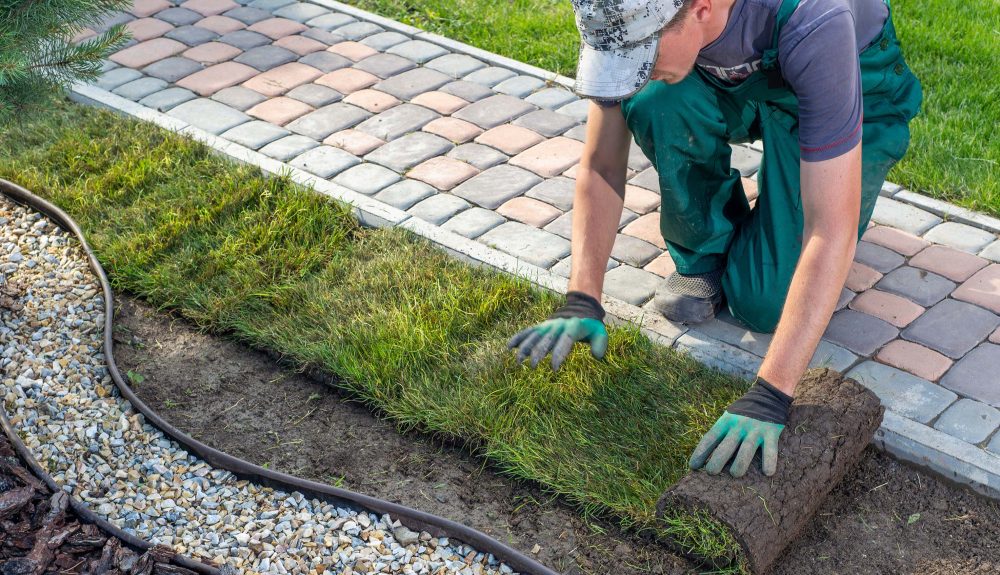
- Hardscaping (touch-ups and add-ons like edging repair or paver resets)
- Planting design and installation
Homeowners also expect reliability, showing up on schedule, protecting surrounding areas, and leaving things cleaner than they found them.
Commercial Landscaping Services
For property managers and facility owners, landscaping is a matter of visibility and liability. It’s part first impression, part infrastructure. So naturally, their expectations include:
- Consistent weekly or seasonal maintenance
- Snow and ice management (where applicable)
- Public safety and walkability
- Signage visibility and lighting clearance
- Water management and erosion control
- Detailed service contracts and fast response to issues
- Property code compliance
Here, the stakes are higher. Delayed service can mean tenant complaints, liability claims, or even city code violations.
No matter which side you serve, or if you’re doing both, the more professional your offering, the more recurring and high-value your contracts become.
Landscaping Maintenance Services: Where Most Businesses Win or Lose
Maintenance work is where your business proves its value. Day in, day out.
It keeps clients satisfied, keeps crews busy, and maintains consistent revenue. But it’s also where overlooked risks pile up, and where a lack of systems can quietly eat into your margins.
Recurring Maintenance = Repeat Business
Scheduled upkeep is what turns one-time installs into multi-year accounts. It’s the lifeblood of predictable revenue and client retention.
Core services often include:
- Mowing, edging, and pruning
- Seasonal cleanups and mulching
- Irrigation inspections and tune-ups
- Routine hardscape care and debris removal
Clients expect this work to be handled without reminders and follow-ups.
Consistency Builds Credibility
When your crews show up on time, complete the job neatly, and keep a tight log of what’s done, clients notice. That’s what earns renewals and referrals.
Many growing businesses use apps like LMN, Aspire, or Jobber for:
- Route scheduling
- Time tracking and mobile check-ins
- Real-time photo documentation for accountability
Even a one-crew operation can benefit from automation and accountability tools.
It’s Also Where Most Mistakes and Claims Happen
Maintenance may feel routine, but it’s where your crews are most exposed. Risks build up quietly:
- A tool damages a parked vehicle
- An uneven paver causes a trip-and-fall
- A new hire cuts into an irrigation line
- A client disputes plant damage or workmanship
Claims like these don’t always come from major accidents. They come from everyday lapses.
As You Grow, So Does the Complexity
Bringing on new clients, subcontractors, or additional trucks? Great. But with that growth comes more moving parts to manage:
- Employee turnover
- Equipment distributed across multiple sites
- Subcontractor agreements and coverage
- Crew safety and training gaps
As you take on more, missing pieces in your process or protection become more costly.
Risk Control Starts With How You Run Your Landscaping Services
The way you run your business is what keeps clients coming back and contracts getting bigger. As the landscaping industry evolves, so do the expectations placed on professional landscaping services.
Here’s what that looks like today:
1. Develop Iron-Clad Contracts
Whether you’re working with an HOA, school district, or commercial real estate firm, paperwork matters.
Clients expect clean certificates of insurance, well-defined service scopes, and proper documentation of every visit. Missing a clause or skipping a compliance requirement may cause you to lose the contract before the job even begins.
2. Create On-Site Safety SOPs
When your crew steps onto a client’s property, they’re expected to act with care, even when no one’s watching.
Leaving a gate unlatched, blocking access with a trailer, or leaving tools near a children’s play area may seem minor to the crew, but not to the client. Their trust hinges on how well your team manages access, responsibility, and risk.
3. Insure What You Can’t Control
Of course, clients care how well you mow, prune, or plant. That’s why you get re-hired and recommended. However, what they verify is how well you’re covered if something goes wrong.
Professional landscaping companies are expected to carry a range of business insurance, not just general liability. That includes:
- General Liability
- Auto Liability
- Inland Marine
- Umbrella Liability
- Contractors Pollution Liability
- Employment Practices Liability
- Cyber Liability
- Workers’ compensation
If a big client asks to see your limits and endorsements, are you confident about what you’re handing over?
Why LandPro Works for Growing Landscaping Businesses
You’ve already built a business that delivers quality work. Now it’s about backing that work with the right safeguards. Coverage that aligns with how you operate, how you grow, and what your clients expect when they ask to see your certificate of insurance.
You need insurance that understands the landscaping business.
That’s exactly what LandPro is built for.
- Explicitly designed for landscaping contractors, both residential and commercial.
- Covers everyday exposures like auto, tools, general liability, and workers’ comp.
- Built to handle complex risks: snow and ice, subcontractors, pollution, and public access.
- A+ (Superior) rating from A.M. Best for financial strength.
After 35 years in the business, we know exactly what keeps landscaping professionals up at night, and we’ve built our coverage to tackle those challenges head-on.
Ask your broker to sign you up for LandPro or contact our team to learn more.
FAQs
- What is the best insurance for professionals in landscaping services?
LandPro is the most complete and trade-specific insurance solution available. It’s built around the daily risks that professional landscaping services face, from equipment theft and subcontractor exposure to snow removal and pollution liability. - What kind of insurance do I need if I offer both residential and commercial landscaping services?
You’ll need a policy that covers a broad mix of exposures: general liability, business auto, inland marine, and workers’ comp as a baseline. If you handle irrigation, herbicide application, or snow services, additional endorsements or pollution liability may be required. - Does landscaping maintenance work require different coverage than design or installation jobs?
Yes, landscaping maintenance services often involve recurring site visits, unsupervised property access, and seasonal help. These factors increase liability and equipment exposure. Maintenance-heavy operations should prioritize inland marine coverage, hired/non-owned auto, and proper subcontractor handling within their policy. - Can I still get insured if I use subcontractors for part of my landscaping services?
Yes, but you need to be clear about it during underwriting. Some policies exclude subcontractor-caused losses unless specific endorsements are added. If you scale your team using outside crews for landscaping services, make sure your insurance includes blanket additional insured language and subcontractor liability protection.