





You don’t have to be in a Category 4 hurricane to be vulnerable.
Sometimes risks include a diesel spill at the wrong elevation. Other times, it’s a client lawsuit after your runoff clouded a nearby pond.
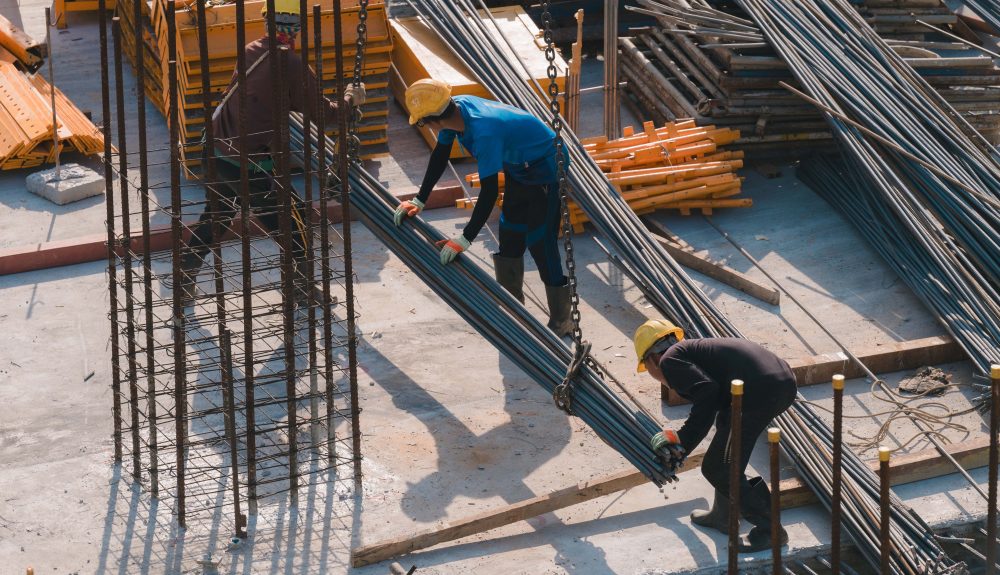
Site preparation contractors operate in highly variable environments (aboveground, underground, indoors, or open terrain) where even minor oversights can escalate.
In fact, scaffold and ladder defects alone contribute to 30–50% of environment-related construction accidents, while extreme weather continues to be a high-fatality risk across outdoor job sites.
Every phase of site preparation carries exposure, and these are risks with real claims behind them.
That’s why site preparation insurance must match today’s on-the-ground hazards, from fuel handling and mobile equipment to pollution liability. Let’s explore the must-have coverages.
Essential Site Preparation Insurance Coverages for Environmental Risks
Every trench, haul road, and fueling zone introduces its own exposure. If your insurance for site preparation contractors doesn’t keep pace with these pressure points, you’re likely underinsured. Let’s review the protections that actually meet the moment.
1. Limited Jobsite Pollution
Limited jobsite pollution coverage steps in for those “small but serious” pollution claims that would otherwise fall outside your general liability policy.
Instances where this coverage matters could be that your:
- Equipment leaks hydraulic fluid onto a client’s paved area
- Sediment or runoff impacts a neighbor’s property or storm drain
- Materials are stored improperly, resulting in minor soil contamination
This protection helps cover cleanup costs, third-party property damage, and even regulatory penalties.
For site preparation contractors using mobile equipment or staging materials on active lots, this coverage acts as a safety net. It helps you stay insured against the real-world messes that happen mid-job.
2. Contractors’ Pollution Liability
When you’re grading land or clearing brush, you might not think of it as hazardous work. But regulators and insurers might.
Contractors Pollution Liability (CPL) covers the bigger, long-tail risks that limited jobsite pollution doesn’t touch. This caters to contamination that affects soil, air, or groundwater, even after your crew has left the site.
CPL can help with:
- Claims arising from long-term exposure or delayed damage
- Third-party bodily injury or property damage linked to pollution
- Legal defense costs and mandated cleanup operations
- Off-site transportation of waste or hazardous materials
If your scope includes demolition, fuel tank removal, or work near wetlands or stormwater systems, CPL must be included in your site preparation insurance. It helps protect your business when the claim hits months after the job wraps.
3. Auto Pollution Broadened Coverage
Hauling diesel or fuel tanks between sites poses a risk where one wrong turn can lead to a leak that follows your crew for miles.
Auto Pollution Broadened Coverage steps in when pollutants spill from your covered vehicles, whether it’s during transit or at a temporary jobsite. Unlike standard auto liability, this coverage isn’t limited to collision damage.
It can help with:
- Cleanup costs tied to mobile spills (e.g., fuel leak on a public road)
- Third-party claims related to environmental damage
- Sudden and accidental discharge from mobile tanks or containers
- Defense costs tied to pollution events while in transit
If your operations involve even occasional material transport, this isn’t optional. Without it, your business could be left paying for environmental cleanup that regular commercial auto coverage excludes.
4. Employment Practices Liability
When extreme weather disrupts site preparation schedules or exposes crews to unsafe conditions, the fallout can be physical as well as legal. Employment Practices Liability Insurance (EPLI) protects your business when environmental stressors trigger HR-related claims.
Here’s how this coverage becomes relevant:
- Flash freezes and heat waves can cause job delays. If layoffs or scheduling decisions follow, one could face wrongful termination or discrimination allegations
- Lack of formal weather-response policies may open you up to claims tied to unsafe working conditions, especially during high-heat or storm activity
- Site evacuations or modified duties without proper documentation can raise concerns around unequal treatment or wage issues
Therefore, EPLI ensures you’re covered when environmental disruptions lead to workplace disputes.
5. Property Coverage
Storms, flooding, or wildfire smoke can just as easily impact your offsite operations, and that’s where Property Coverage steps in.
Whether you lease a small yard or own a full office-workshop compound, this coverage helps protect your assets when disaster strikes. What does it cover?
- Stored aggregate, fencing, or geotextiles lost to flash flooding
- Modular trailers or garages damaged in a windstorm
- Office electronics and data servers exposed to fire or water damage
Your site preparation project may be mobile, but your equipment and admin base aren’t. This coverage keeps both protected when nature comes knocking.
6. Umbrella Liability
Man-made or natural, environmental exposures rarely stay contained. Imagine a chemical spill followed by a surprise thunderstorm, which could result in runoff contamination, equipment loss, and even third-party injury. Each of these can trigger separate claims across multiple coverages.
That’s exactly the kind of chain reaction that can exhaust your base policy limits.
Umbrella Liability in your site preparation insurance helps you manage:
- High-cost liability: When legal fees or settlements exceed your general liability coverage
- Layered exposure: When pollution claims stack with auto or property claims in a single event
- Unpredictable escalation: When what starts as a local hazard becomes a community issue
Without this backup layer, you’re gambling with your business’s solvency in worst-case scenarios. Umbrella coverage ensures your site preparation insurance can hold up when multiple risks hit all at once.
What Comprehensive Site Preparation Insurance Looks Like
When the risk is environmental, the impact is rarely small and isolated. Fixing the fallout can cost an exorbitant amount of money, so you need to know your policy can hold the line.
That’s where SitePro earns its place with the right pollution coverage and auto enhancements. Additionally, the right layers of liability to cover the unexpected.
But coverage is just one part of the equation.
With SitePro, you also gain access to 35+ years of deep industry experience and A+ financial strength. The program proactively supports you in navigating site hazards and evolving compliance standards.
The team knows what keeps site preparation contractors up at night, and we build policies to quiet those risks before they spiral.
So, ask your broker to sign you up for SitePro today or contact us to know more.
FAQs
- What is the difference between site preparation and setting out?
Site preparation clears and stabilizes the land, while setting out marks exact locations for construction. Both are critical early steps, but serve different functions. - How to prepare a construction site step by step?
Site preparation involves clearing vegetation, grading, compacting soil, and addressing drainage. Proper environmental planning and compliance reduce risks before full construction begins. - What insurance do you need to work on-site?
You need site preparation contractor insurance, which includes general liability, pollution liability, workers’ comp, and auto coverage to protect against environmental and operational risks. - Which is the best site preparation insurance?
SitePro is the most comprehensive site preparation insurance program, offering coverage that matches real-world risks with 35+ years of industry insight and “A+” rated backing.