











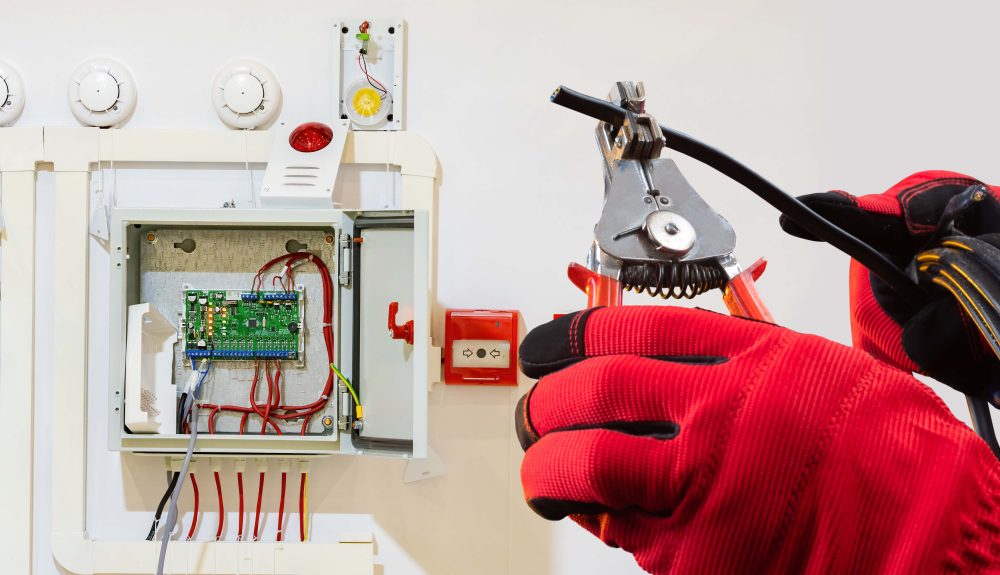
A decade ago, installing an alarm system was a hands-on, hardware-first job. You ran some copper wire, mounted a few sensors, and you were done.
In 2025, the same job looks more like managing a network.
Residential systems now hook into Wi-Fi, cloud servers, mobile apps, and smart home hubs. For commercial installs, you’re looking at 50+ connected devices.
The work has completely changed. However, many alarm installers are still covered by insurance policies written for the copper-wire era.
Every device you install creates another digital doorway into your client’s life. And, if something goes wrong, say — a breach or a privacy failure — they’re not blaming the manufacturer.
They’re looking at you.
And yet, many professionals still treat digital components like afterthoughts: install it, test it, move on. But each device is a liability time bomb.
If a firmware vulnerability pops up six months later and someone exploits it, guess who’s getting the angry call? You are.
Installing a smart system connects you to a digital ecosystem, creating new business opportunities but also potential risks. Are you protected?
What does cyber liability cover?
If a vulnerability in a system you installed leads to a data breach, cyber liability kicks in to handle legal defense costs, financial losses, fines, and payouts to the affected.
And no, it’s not just about hacking. Every day, missteps like using outdated software or mishandling client credentials can trigger a claim.
Cyber liability is the coverage that keeps up with the digital side of your work.
What’s Putting You at Risk and How to Fix It
Modern installs are powerful, but they come with risks you can’t afford to ignore. Let’s break down the most common weak points and what to do about them.
Client data exposure during installation
You may not realize it, but every system you install handles sensitive data (network passwords, user access codes, daily routines, etc) that cybercriminals would love to get their hands on.
Now imagine a single lost or compromised laptop containing client records from just ten jobs. That’s ten potential lawsuits.
How to protect yourself:
- Use encrypted storage for all client data
- Create unique, time-limited user accounts for each project
- Revoke access immediately after completion
- Train technicians on secure handling of credentials
- Document everything, your compliance trail is your legal shield
Network vulnerabilities in home installations
Modern home alarm installs aren’t plug-and-play. They might need your technicians to rework router settings and enable network access to get systems online.
Each of these actions can create permanent vulnerabilities that outlast your involvement by years.
Most alarm installers aren’t trained in network security. Concepts like VLANs or network segmentation sound like another language, but they might be essential for safe installs.
Your move:
- Identify where your install team needs upskilling
- Consider hiring or contracting a cybersecurity consultant
- Build secure configuration guidelines for common installations
IT-related risks are now a common occurrence in modern installations.
Third-party vendor risks and supply chain vulnerabilities
When you install equipment in an alarm system installation, you’re essentially becoming a cybersecurity guarantor for that manufacturer’s security practices. You’re implicitly vouching for the integrity of someone else’s product.
If a vulnerability in a vendor’s firmware or supply chain gets exploited, that risk flows downstream to you. So, when a major manufacturer’s equipment is compromised, you might face simultaneous lawsuits from multiple clients.
How to stay ahead:
- Track vulnerabilities for every vendor you use (via CVEs or security bulletins)
- Choose partners who publish regular security updates and offer support
- Pay more for gear that prioritizes protection
- Build vendor risk management into your standard process
Employee-related cyber risks in the field
The human element multiplies risk exponentially, and it’s the hardest part to control.
Your technicians often work in environments where they can access everything from security cameras to building management systems. A single compromised technician device can create cascading security failures across multiple client sites.
What to do:
- Never allow personal devices on client networks or jobs
- Provide secure, company-managed equipment
- Run phishing simulations and hands-on training using real equipment
- Focus training on real-world scenarios: social engineering, spoofed emails, unexpected access requests
Protecting Your Business with NIP Group’s AlarmPro Program
You’ve just seen how alarm installation has evolved. However, most insurance coverage hasn’t kept pace.
If you’re still relying on traditional policies, you’re playing a high-stakes game with the wrong safety net.
One incident could unravel years of hard work.
AlarmPro is purpose-built for businesses that recognize today’s systems require both physical and digital security.
Here’s what AlarmPro brings to the table:
- Comprehensive Cyber Suite Coverage: Protection against breaches, privacy violations, and network failures tied directly to alarm installs
- A+ Rated Carrier Strength: Financial backing you can trust when you need it most
- Industry-Specific Risk Control: Cyber risk services designed for how alarm businesses actually operate
- One Integrated Policy: Cyber, GL, workers’ comp, E&O, auto-wrapped into a single, tailored package
- Flexible Options: Whether you handle basic home installs or complex commercial networks
- Competitive Rates: Starting at $25,000, with flexible payment plans
Don’t let yesterday’s coverage jeopardize tomorrow’s business.
You’ve adapted your business to today’s alarm systems. Make sure your insurance is doing the same.
Ask your broker about AlarmPro or contact us to know more.
FAQs
Q: How does cyber liability coverage apply to fire alarm installation businesses?
Fire alarm installation businesses face cyber risks through connected monitoring systems, digital reporting requirements, and integration with building management systems. Cyber liability coverage addresses these digital risk exposures.
Q: Are there specific cyber requirements for home alarm installation companies?
While requirements vary by location, home alarm installation companies should implement data protection measures, network security practices, and incident response procedures to minimize cyber liability exposure.
Q: What should I look for in cyber liability coverage for my security alarm installation business?
Look for coverage that includes data breach response, privacy liability, network security failures, and business interruption due to cyber incidents. The coverage should be specifically tailored to the alarm installation industry’s unique risks.
Q: What types of incidents typically trigger a cyber liability claim for alarm installation companies?
Incidents often involve unauthorized access to client systems or data after installation. These events don’t require malicious intent to create serious liability.