











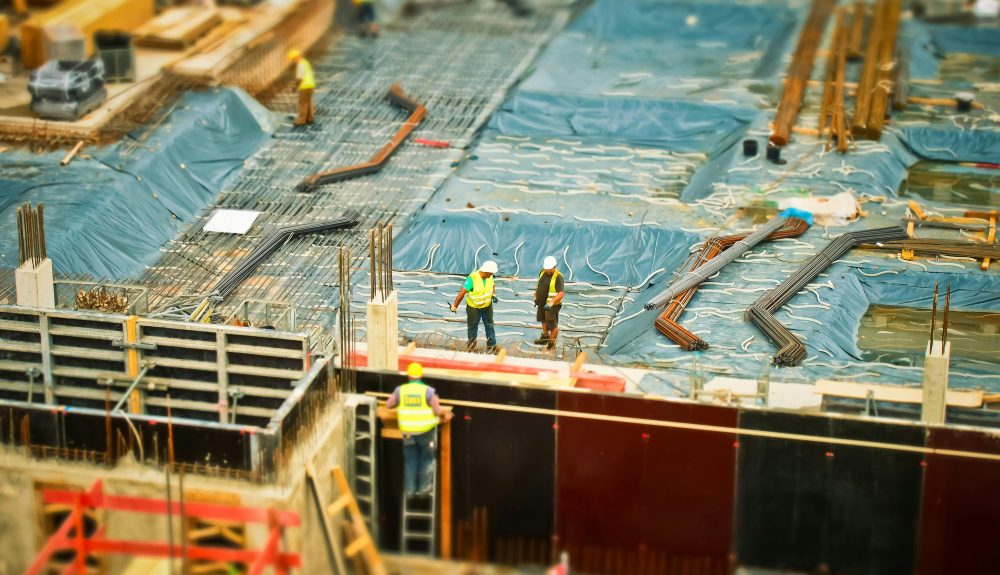
Let’s look at a typical scenario from your line of work.
Crews are scheduled for 7 am, but you realize that two apprentices are a no-show, and the framing sub is short a lead. To top it all off, overtime is spiking.
Your general contractor is demanding reassurance, and there’s a risk of liquidated damages if milestones are missed. All of this indicates a construction labor shortage, causing daily friction that stalls schedules.
So, what can you control in this situation? Here are 5 tips that will help you move forward in case of a construction labor shortage.
Tip 1: Strengthen Your Hiring Pipeline
The skilled labor shortage is why too many U.S. construction projects are running short-handed. Moreover, the National Association of Home Builders (NAHB) estimates the skilled labor shortage causes an annual economic impact of over $10.8 billion.
This highlights the need for you to build a pipeline rather than waiting for talent to appear. One of the most effective moves is to form ties with local schools and training centers.
Contractors who sponsor apprenticeship programs, speak at trade classes, or even offer short site visits see their name top-of-mind when graduates look for jobs. That’s a steady stream of entry-level workers you can train to your standards.
Don’t stop there. Widen the funnel by reaching into groups often overlooked in construction:
- Veterans (disciplined, skilled, and quick learners)
- Professionals changing careers (especially those leaving manufacturing or logistics)
- Women in trades (a growing pool of motivated workers when given a fair chance)
Adding more channels reduces your reliance on a weak market. In today’s environment, businesses that actively build future teams are the ones that cope best with labor shortages.
Tip 2: Retain the Team You Already Have
This is crucial because when hiring slows, you need to manage capacity by keeping staff and helping them improve their skills to boost productivity.
Across the construction industry, losing a seasoned operator sets a job back weeks. Therefore, growing a reliable helper into a lead adds productive hours without adding bodies.
You must treat retention as an operations function with the same rigor you apply to look-ahead schedules.
- Run quarterly stay interviews (what keeps you, what frustrates you, what would help). Commit to 30-day fixes
- Use a skill matrix; tie $0.50–$1.00/hr bumps to certifications (OSHA-30, forklift, NCCER) and defined competencies
- Coach foremen on day-before planning and 7 a.m. huddles that remove blockers and assign clear outcomes
- Pay on time, add small tool stipends, and fast same-day reimbursements because little frictions drive turnover
- Build flex windows for family needs and weather, including earlier pours, 4×10s in peak heat, and smarter shift swaps
In the event of a construction labor shortage, these measures protect schedule certainty, raise morale, and (most importantly) retain your best people on your jobs.
Tip 3: Leverage Technology To Bridge Gaps
The construction industry is built on people, but technology can multiply what a smaller crew can deliver.
When a labor shortage slows down schedules, even modest tech adoption can free up hours, reduce errors, and keep projects on track.
Practical ways contractors are using tech today:
- Project management platforms: Reduce rework by keeping drawings and requests for information (RFI) in one place, accessible to every foreman
- Drones for surveying: Aerial scans replace hours of manual site walks and speed up estimates and inspections
- Prefabrication and modular methods: Shifting repetitive tasks offsite lowers onsite crew demand and tightens timelines
- Simple field apps: Time-tracking apps (or simple punch lists) and safety reporting apps streamline paperwork that eats into productive hours
Tip 4: Partner Smarter With Subcontractors
When labor shortages hit hard, subcontractors often become your relief valve. But leaning on subs only works if the partnerships are built on consistency and trust.
The contractors who thrive during tight markets are usually the ones who treat their subs like long-term partners, not one-off hires.
A few practices that strengthen those relationships:
- Build a steady roster: Relying on the same proven subcontractors reduces ramp-up time and keeps quality predictable
- Pay promptly: Nothing erodes trust faster than late checks. Timely payment ensures you stay top of their priority list
- Communicate clearly: Share updated schedules or scope changes and expectations early to avoid surprises
There’s also a protection angle here. If a subcontractor causes an accident or error on your jobsite, you don’t want that risk falling entirely on your shoulders.
Ensure your insurance program explicitly covers subcontractor activities. It’s a simple step that shields your business when labor shortages force you to outsource more work.
Tip 5: Manage Risk To Protect Thin Crews
A smaller crew means more pressure on the people left standing. In a construction labor shortage, that pressure shows up as safety checks being skipped or equipment being used by someone who isn’t fully trained. One incident can wipe out the gains you made hustling to keep the project moving.
That’s why managing risk must run in parallel with driving production. Think of it as buying yourself predictability in an unpredictable market:
- Daily safety huddles: 10 minutes every morning can prevent a week of downtime
- Clear ownership: Make sure every scope has a lead because responsibility can’t be shared when headcount is thin
- Paper trails that work: Inspection logs and sign-offs keep crews accountable without slowing them down
- Insurance double-check: Confirm coverage matches today’s risks; a thin crew has less margin for error when accidents hit
Protecting Your Business from Labor Shortages
Labor shortages slow down projects and increase operational risks. And when crews are stretched, the chance of accidents and liability rises.
That’s why having the right protection behind your business is as important as filling the next position on your roster.
With more than 35 years of industry experience, SitePro offers coverage tailored for contractors in grading and excavation, as well as paving and roadwork. It gives you the security to keep bidding, building, and growing even when the workforce is tight.
From risk control resources to claims support, SitePro is designed around the realities construction businesses face every day.
With the right plan in place, you can keep projects moving and protect the future you’re building. So, ask your broker about SitePro today, or feel free to contact us directly.
FAQs
Q1. How are labor shortages affecting project costs in the U.S.?
Labor shortages push costs up everywhere, with contractors paying more overtime while schedules get delayed and subcontractors charge higher rates because they know you need them.
Your profit margins shrink as every project becomes more expensive to complete.
Q2. Can immigration trends ease the skilled labor shortage in construction?
Immigration helps but it’s not a quick fix since visa limits keep numbers low and the approval process takes time.
Immigrant workers fill some gaps in construction, though the industry needs more workers than immigration can provide right now.
Q3. What role does automation play in addressing labor shortages?
Automation doesn’t replace workers but makes them more productive by letting drones handle surveying faster than manual methods while prefab work happens offsite instead of on the job and apps cut down paperwork time.
You still need skilled people to build since technology just helps them do more work.
Q4. How can small contractors stay competitive despite the construction labor shortage?
Small contractors pick their battles by focusing on specific types of work and working with the same trusted subs repeatedly while making risk management crucial when crews are thin.
Stay focused on what you do best rather than chasing every job that comes along.