










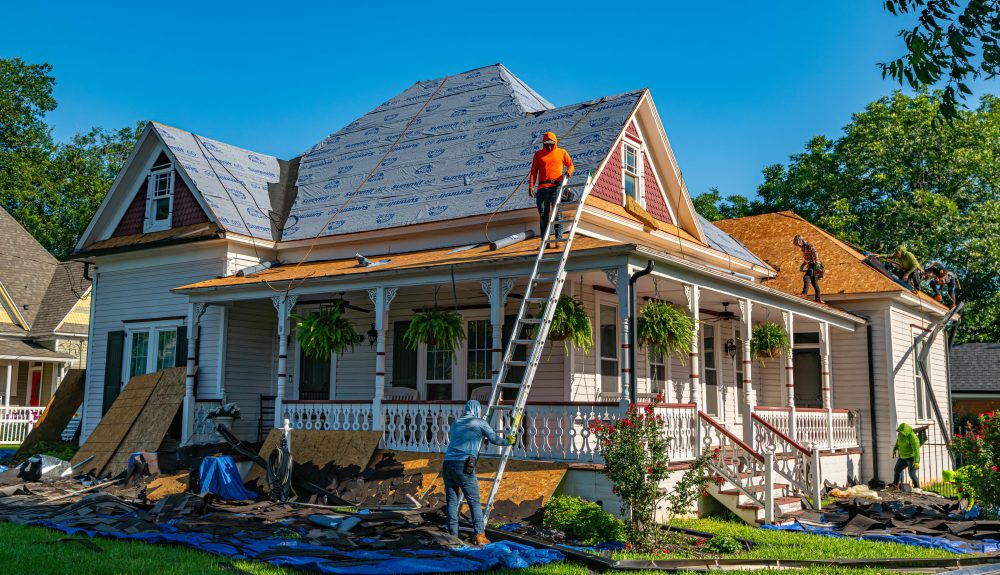
Last year in New Jersey, a roofing contractor was fined $328,545 after OSHA inspectors found repeated fall protection failures.
Since 2017, RRC Home Improvement had been cited five different times, eventually landing on OSHA’s Severe Violators Enforcement Program.
Four wilful and seven serious citations later, the penalties became more than just numbers by turning into a liability for future bids. Owners and municipalities don’t want contractors with that kind of safety record anywhere near their projects.
That’s the reality: OSHA violations may start with fines, but at the core, they determine whether you can compete for contracts in the construction market.
This blog will break down how OSHA violations affect your ability to win work, the most common pitfalls, and what you can do to stay ahead.
Why OSHA Compliance Matters in Bidding
When you bid on public or private work today, price isn’t the sole factor. Clients, including municipalities and general contractors, scrutinize your safety record closely. Too many OSHA violations and fines, and your bid can move from competitive to risky.
A single serious citation might raise bonding costs. However, repeated OSHA violations can take you off a preferred bidder list altogether. Even if you’re the low bidder, a poor compliance history makes you harder to trust.
What Are The Types Of OSHA Violations
If you’ve looked at the official OSHA violations list, you’ll notice it reflects the agency’s utmost focus on layered safety practices. Understanding the main categories matters because each one carries different business and financial consequences.
Here are the five core types of OSHA violations every contractor should know:
- Serious: When there’s a high probability of death or serious injury, and you should have known better. These come with steep fines and reputational damage
- Other-than-serious: Issues like paperwork gaps or posting failures. Lower penalties, but too many of these still paint you as careless
- Willful: When OSHA believes you knew the rule and ignored it. These are the costliest, and they can put you in the Severe Violator Enforcement Program
- Repeat: Prior citations coming back again. They often carry higher penalties than the first time
- Failure to abate: You were cited, instructed to correct the issue, and failed to do so. Daily fines stack up until corrected
Common OSHA Violations That Contractors Face
Each year, OSHA releases its Top 10 list of citations, and while the order shifts, the standards themselves rarely change.
That consistency is a signal that the same problems surface across job sites, and enforcement remains strict. You and your business must be aware that these repeat offenders are key to avoiding fines and protecting your bids.
Some of the most frequent OSHA violations include:
- Fall Protection – General Rules (1926.501)
Fall protection violations have been a major safety issue for twelve years, with over 6,300 violations in 2024.
To avoid this, employers need to provide guardrails, safety nets, or personal fall arrest systems when workers are six feet or higher above the ground.
- Hazard Communication (1910.1200)
Employers need to clearly label chemicals and keep safety data sheets. Missing labels or inadequate training cause many violations each year.
- Ladders (1926.1053)
Using damaged or unsafe ladders or using them improperly often results in falls and violations.
- Respiratory Protection (1910.134)
Employers should have a detailed respiratory protection program, which includes selecting the appropriate equipment, conducting fit testing, maintaining equipment cleanliness, and providing training.
- Lockout/Tagout (1910.147)
Failing to follow proper procedures for controlling hazardous energy during repairs can result in serious injuries and lead to numerous violations.
Other frequent entries on the OSHA violations list include powered industrial trucks, scaffolding, fall protection training, eye and face protection, and machine guarding. The pattern indicates citations cluster around basic and preventable issues, and regulators won’t overlook them.
How to Stay Ahead of OSHA Violations
Avoiding citations is a practice that involves building a process to keep your job sites clean long before OSHA arrives. That proactive approach also gives you an edge when bidding, because owners and municipalities want partners who take safety seriously.
Some practical steps that make a difference:
- Regular safety checks: Walk around sites weekly and note hazards before they cause violations. Use checklists based on OSHA rules so nothing is missed
- Team training updates: Toolbox talks aren’t enough, so plan regular refresher sessions on PPE and fall prevention to keep skills sharp
- Recordkeeping and reports: Keep accurate logs of training, incidents, and inspections to show you follow the rules and to help contest unfair citations
- Subcontractor management: Make sure subcontractors follow the same safety rules, as their mistakes can affect your safety record
- Insurance check: Review your insurance regularly to ensure it covers your current work. Citations and claims can raise costs if you’re underinsured
By building safety into your operations, you reduce the risk of costly OSHA violations and position your company as a contractor clients can trust.
From Safety Compliance to Long-Term Business Stability
Too many OSHA violations can drain your bottom line. They can also become the deciding factor of whether you’re even considered for the next project.
That makes safety and compliance part of your business identity, not just a job site responsibility.
And while you focus on keeping crews safe and bids competitive, you also need a partner who understands what’s at stake. With over 35 years in the construction industry, SitePro supports grading and excavation contractors as well as paving and roadwork firms.
Whether it’s heavy equipment coverage, OSHA compliance, or construction risk management, SitePro allows contractors the freedom to focus on what’s most important for their business.
Discuss SitePro today with your broker, or alternatively, contact us to know more.
FAQs
Q1. Can OSHA violations affect a contractor’s bonding capacity?
Yes, and it hurts. Surety companies hate risky contractors as more violations equals higher bond costs. Sometimes, they might also refuse a company entirely.
Q2. What are the long-term effects of repeated OSHA violations?
Your reputation takes a beating. Insurance costs go up, and you end up on watchlists. Moreover, clients start seeing you as trouble instead of reliable and it becomes a downward spiral that’s hard to escape.
Q3. Are OSHA violations and fines the same in every state?
No. Federal OSHA sets the basics, but about half the states run their own programs. California’s fines might be way different from Florida’s with same rules, but different penalties.
Q4. How often does OSHA update its OSHA violations list?
Once a year, usually in spring. They release their “Top 10” most cited violations. Smart contractors use this to see what OSHA’s focusing on and fix those issues first.