







Summary:
- Certified professionals for tree service lower workplace risks by bringing proven training and judgment to high-risk jobs like removal or trimming.
- Fewer injuries mean fewer workers’ comp claims, protecting margins and keeping premiums predictable for tree service businesses.
- The blog explains how certification, combined with the right insurance practices, helps tree service companies prevent costly claims and build long-term resilience.
The risks in tree service work are measured in lives lost. A recent study found that electrocutions from power lines and falls from trees account for nearly half of worker fatalities.
What’s even more alarming? More than two-thirds of these deaths involved workers with less than a year on the job. Add to that the fact that 60% of employers had no written safety plan and over a third offered no job training, and you see the real picture: most tragedies aren’t “accidents” at all. They’re the result of inexperience and a lack of structure.
For tree service professionals, these realities carry another layer of consequence. Serious injuries and fatalities often lead to expensive workers’ compensation claims, coupled with rising premiums and disrupted operations.
This talk explores how certified professionals for tree service can lower those risks, plus prevent lost lives and costly claims.
How Certification Works as the First Layer of Protection
When you hire certified professionals for tree service, you’re building the first barrier against costly injuries and claims. Certification programs are designed to give workers the technical knowledge and safety mindset that prevents accidents.
- The International Society of Arboriculture (ISA) offers the Certified Arborist credential, which requires both field experience and a rigorous exam. This certification signals that your team understands everything from pruning standards to aerial rescue
- The Tree Care Industry Association (TCIA) runs the Certified Treecare Safety Professional program, which blends leadership training with OSHA compliance, equipping workers to make safe calls under pressure
- The Electrical Hazard Awareness Program (EHAP) provides specialized instruction for crews working around energized conductors, a common source of fatalities in the tree service workforce
Insurers recognize this difference. Businesses that invest in certified crews face fewer claims and often better insurance opportunities. It’s one of the most practical ways to protect your people and your bottom line at the same time.
How Certified Professionals Reduce Risk Across Tree Services
Every type of tree service carries its own risks. Certified professionals bring proven methods and the judgment to match the right approach to the right task.
Whether the job involves removing a storm-damaged tree or trimming branches over a client’s driveway, their training directly lowers the chance of injury and, by extension, costly claims.
Tree Cutting and Removal Services
Among all tasks, tree cutting and tree removal services are where accidents carry the heaviest price tags. A falling trunk or misjudged felling angle can injure workers or damage property.
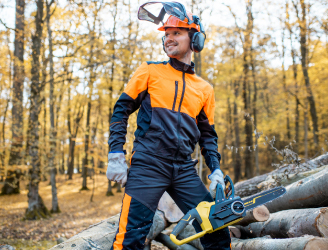
Certified professionals for tree service are trained in rigging techniques, safe dismantling of storm-damaged trees, and the controlled use of chainsaws in unpredictable conditions.
In contrast, uncertified operators often rush through preparation, increasing the odds of struck-by incidents or uncontrolled falls. That’s why insurers keep such a close eye on removal-related claims.
Tree Trimming Service
Tree trimming might seem easier than removing whole trees, but workers still get hurt regularly. Sharp tools cause cuts and eye injuries while awkward climbing positions lead to muscle strains.
Workers without adequate training often make mistakes that create safety problems and result in expensive insurance claims. Even small errors can turn into big headaches for tree service companies.
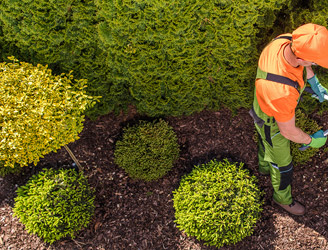
Arbor professionals for tree services know the proper ways to trim trees safely. They use industry standards and smart techniques that prevent fatigue during long days working up in trees.
Experienced crews have fewer accidents, like cuts, sprains, and eye injuries. This keeps your insurance costs lower and makes your business more predictable to run.
Insurance Practices That Complement Tree Service Professionals
Even with the best training and safety programs in place, accidents can still happen. That’s why insurance is the second essential layer of protection for your business.
Workers’ compensation ensures that when a crew member gets hurt, they receive proper medical care without leaving you exposed to crippling costs.
- It covers medical expenses tied to job-related injuries.
- It provides wage replacement so your employees can recover without financial strain.
- It offers legal protection if disputes arise from workplace accidents.
When you insure your tree service professionals, you create a safety net that reduces claims and builds resilience. Insurers reward businesses that show both professionalism and preparation.
Securing the Next Chapter of Your Tree Services
Insurance helps keep your business steady when everything else shakes. Workers’ comp for tree service is the most critical, but coverage goes far beyond that.
Employment practices liability, wildfire protection, and even cyber liability are important as more operations go digital. These layers transform accidents from business-ending events into manageable setbacks.
And that’s why TreePro exists.
With nearly 2,000 tree care and landscaping clients and almost four decades of industry experience, TreePro understands exposures unique to this business. They’ve built programs that reflect how you actually work, from removals and trimming to storm response and beyond.
Ask your broker about TreePro today, or connect with us directly to learn how we help certified professionals in the tree service industry turn risk management into lasting business strength.
FAQs
Q1. What is a certified tree worker?
A certified tree worker is trained and tested under industry standards, ensuring safe, professional tree service that reduces accidents and costly workers’ compensation claims.
Q2. How many feet can I trim trees without a license in CA?
California lets you handle trees up to 15 feet tall without special licensing. Anything bigger than that requires hiring licensed tree service professionals who know the rules and safety requirements.
Q3. What’s the difference between an arborist and a tree service?
Arborists study tree health and focus on keeping trees alive and healthy long-term. Tree service companies usually handle removal jobs, cutting branches, and trimming when trees become a safety problem.
Q4. Can seniors get free tree-cutting service?
Many towns and power companies offer free tree work for older residents, especially when branches threaten electrical lines or create neighborhood hazards.