








Summary:
- Land improvement services carry exposures that live long past project completion, from settlement claims to pollution incidents that surface months after crews leave the site.
- Smart contractors layer their coverage stack, including general liability with completed operations, pollution coverage for runoff risks, equipment protection during transport, and comprehensive workforce protection.
- This blog explains how aligning specific land improvement exposures to targeted insurance coverages keeps projects profitable and protects contractors from costly surprises.
What if nine months after turnover, a sidewalk you graded starts to heave?
The drainage system you installed backs up after heavy rain because the silt fence gets washed out, leading to problems on your end (not the subcontractor who installed it).
Then, an owner’s engineer traces settlement to “insufficient compaction,” and suddenly you’re defending workmanship long after the crew left the site.
That’s the reality of land improvement services: exposure lives past closeout. Grading, drainage, and paving might be finished, but the claim clock keeps ticking.
So, if you self-perform or manage subs, you’re carrying the risk both contractually and financially. The contractors who stay profitable map those job hazards to the right construction company insurance stack from day one, so surprises don’t become losses.
This blog walks through five things to get right, linking services to coverage, so projects finish clean and stay that way.
1. Completed Land Improvement Operations Should Be Covered
Post-completion is when many headaches (as stated above) surface. So, it is best to treat that tail risk as part of your land improvement services and build protection into every contract and policy beforehand.
- Carry general liability with products/completed operations clearly scheduled
- Use per-project aggregates (and per-location when applicable) so one claim doesn’t drain limits on other jobs
- Ask your broker for contractual risk transfer and additional insured status for ongoing and completed ops, primary & noncontributory wording, and waiver of subrogation
- Align indemnification language with your insurance, and avoid promises your policy won’t support
- Track COIs and endorsements from subs before mobilization and at renewal
This is the backbone of effective construction liability insurance. When your paperwork and coverage align with the actual exposures of land improvement work, you prevent surprises from becoming losses.
2. Pollution Risks in Land Improvement Need Separate Coverage
Runoff and contaminants are the quiet claim-makers. Many construction business insurance policies exclude pollution outright, so treating these exposures as “general liability” is a costly mistake. Therefore, build protection for the messes that follow heavy dirt work.
- Diesel spills from refueling and cement washout can trigger cleanup orders and third-party property damage claims
- Turbid runoff into storm drains brings violations and civil penalties
- Control what you can such as SWPPP (Stormwater Pollution Prevention Plan) documentation, BMP (Best Management Practices) inspections, spill kits, and trained crews reduce incidents and help defend claims.
You can close these gaps with contractors’ pollution liability sized to your projects, and align subcontractor requirements the same way. When pollution is addressed head-on, in contracts and coverage, land improvement services stay profitable and disputes remain manageable.
3. Equipment on The Move is Vulnerable Unless Insured in Layers
Your iron spends as much time on trailers and laydown yards as it does pushing dirt. That’s where losses happen, such as theft off a lowboy or a loader damaged during loading.
One uninsured hit idles crews and burns cash faster than any markup can fix. Build protection into your construction insurance stack before mobilization.
So, you should consider getting:
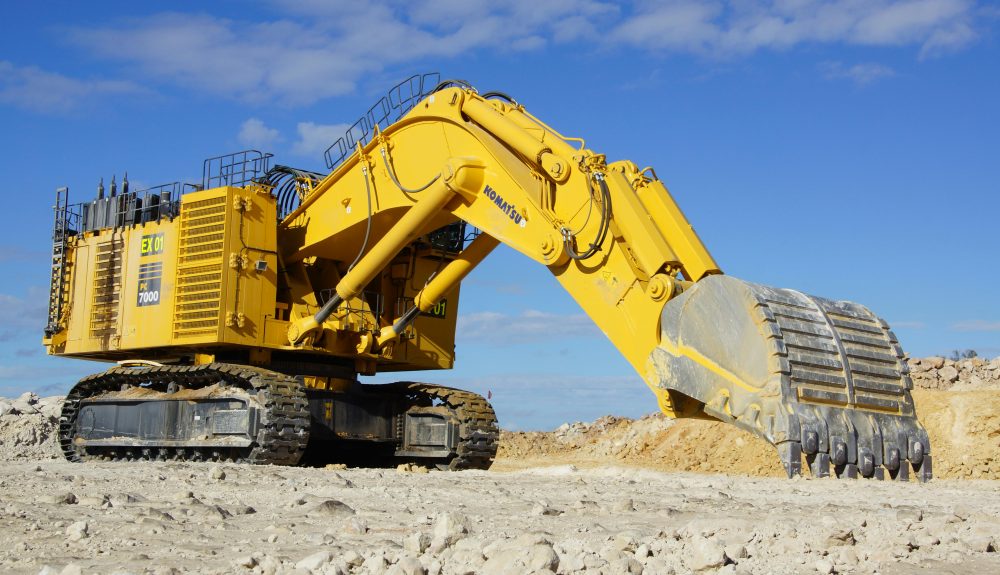
- Inland marine for contractor’s equipment and tools (dozers, graders, trenchers, lasers, GPS rovers), also schedule high-value units and add rented/leased equipment with the lessor as loss payee
- Auto liability & physical damage for owned and hired trucks, lowboys, and dumpers moving gear between sites
- Coverage for trailers and permanently attached equipment to avoid gaps
- Telematics, immobilizers, and yard lighting reduce theft and can cut rates
- COIs that mirror contracts keep claims clean when something goes wrong in transit
Layer it, verify it, and your equipment keeps earning instead of sitting in a body shop.
4. People Risks in Land Improvement Services Need Two Policies
In earthwork and paving, your most volatile claims come from people. However, two policies stabilize that risk from both directions.
Consider workers’ compensation for injuries, and Employment Practices Liability Insurance (EPLI) for workplace allegations. Together, they keep jobs moving and disputes contained.
Workers’ compensation
- Statutory medical and wage benefits after job-site injuries
- Return-to-work/light-duty plans to cut downtime and claim costs
- Panel physicians/MPNs for consistent care and faster closure
- Documented safety: trench/shoring logs, heat-illness plans, toolbox talks
- Fast reporting to protect your experience mod and bid competitiveness
EPLI
- Defense/indemnity for harassment, discrimination, retaliation, wrongful termination
- Third-party claims (subs, vendors, clients) included where endorsed
- Wage-and-hour defense sublimits to blunt costly class claims
- Handbooks, signed acknowledgments, and manager training to harden defenses
- Discipline and termination documentation to prevent “he said, she said”
Two policies, one system: field safety + HR discipline + documentation. Build them into your construction business insurance program, and you’ll turn people risk from a profit killer into a manageable line item.
5. Higher Liability Limits Keep Land Improvement Business Competitive
For grading, excavation, and paving contractors, one claim can exhaust base policy limits quickly.
Municipal projects or even large commercial pads often require liability limits well above your standard general liability or auto policy. That’s where an umbrella or excess liability policy makes the difference.
It stacks on top of your existing coverage, giving you additional protection when a jury award or multi-party claim blows past your primary limits.
More importantly, it positions you to bid on contracts that require $5M or $10M in coverage just to qualify. Without it, you might be shut out before you even price the work. So, by carrying higher limits, your land improvement services reduce exposure and keep doors open to more profitable opportunities.
What is the Safest Way to Build the Ground You Work On
You’ve aligned risks to coverages, and now you’ve to keep them coordinated on every job. That’s where most contractors stumble because they get the theory right, but execution falls apart due to mobilization and deadlines.
SitePro covers every essential we’ve discussed so far (and more). We’ve spent 35 years working with and watching grading, excavation, paving, and roadwork contractors get burned by coverage gaps, so we built a program that closes them. No surprises or excuses.
Land improvement services are risky enough without wondering if your insurance will respond when you need it most.
So, ask your broker today about SitePro, or contact us directly to discuss the details.
FAQs
Is landscaping a land improvement?
Yes. Landscaping that alters grade, installs drainage, or changes site conditions qualifies as land improvement and carries similar liability exposures.
What does land development include?
Site preparation, grading, excavation, utility installation, drainage systems, road construction, and paving. Basically, everything that transforms raw land into buildable space.
What kind of insurance do you need for construction?
General liability, workers’ comp, equipment coverage, and pollution liability form the foundation. Programs like SitePro bundle these specifically for site work contractors.
What insurance should an independent contractor have?
General liability and workers’ compensation are essential. Add equipment coverage and EPLI if you have employees or valuable tools.