












Summary:
- Most contractors bill for “snow removal,” but clients expect hauling to be included, creating confusion about what services you’re actually providing.
- When piles grow after multiple storms, and lots stay blocked, disputes start because clients blame you even though hauling was never part of your original contract.
- This blog will break down the differences between removal and hauling, explain where your liability changes, and show you how to scope contracts that prevent these disputes.
During winters, emergency rooms see a lot of slips and falls. Between December 2019 and March 2023, Truveta research documented 7,577 cases of people falling on snow or ice. That’s 13.1 falls for every 10,000 emergency visits. The numbers get worse in colder states, where fall rates run three times higher than in mild winter areas.
Here’s where contractors get caught. You bill for “snow removal” and think the scope is clear. Your client sees that invoice and assumes snow hauling services are part of the deal.
When multiple storms hit and piles start blocking parking spaces, the property manager calls you. They’re upset because the lot looks terrible, and customers are complaining. You explain that hauling costs extra, buthey say it should have been included.
In this blog, we’ll break down the difference between these services, explain where your liability shifts, and show you how to scope snow hauling and removal services in contracts that prevent these disputes before winter starts.
Snow Removal vs Snow Hauling Services: The Key Differences
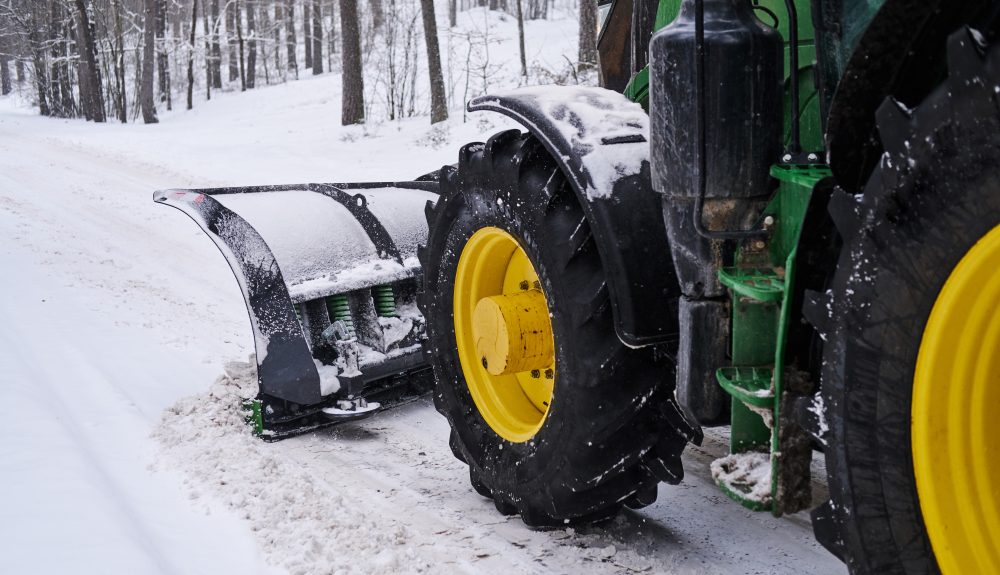
Snow removal means you’re clearing snow from the property. You plow parking lots, shovel walkways, and apply salt or de-icer. The snow stays right there, piled in corners or along the edges.
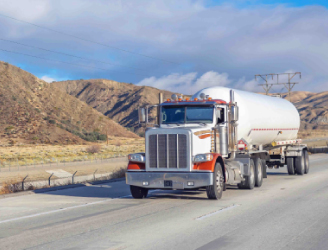
Snow hauling is different, as you load the accumulated snow into dump trucks and haul it to an approved disposal site. It leaves the property completely.
Here’s what changes:
- Process: Removal pushes snow to the side. Hauling loads up and moving them out.
- Equipment: Removal uses plows, blowers, and salt spreaders. Hauling requires dump trucks and front-end loaders.
- Cost: Removal is your base service price. Snow hauling prices run higher because you’re paying for extra labor, fuel, equipment hours, and dump site fees.
- Time: Removal happens fast. Hauling takes longer because you’re loading, transporting, and unloading.
- Best for: Removal works when space exists onsite. Hauling works for heavy accumulation, tight urban sites, or when local codes kick in.
Commercial snow hauling brings different risks, like auto liability during transport, loading accidents, and traffic control problems that don’t show up in basic removal work.
When Commercial Properties Need Snow Hauling On Top of Removal
There’s no federal law requiring snow hauling across the country, but local city and county ordinances often force it after major storms. Commercial properties face stricter requirements than residential homes.
Hauling becomes required in these situations:
- Storms drop 6 to 12 inches or more
- Snow piles block fire lanes or emergency vehicle access
- Piles grow taller than local height limits (usually 4 to 12 feet, depending on the city)
- Sidewalks, sight lines, or accessible paths stay blocked after initial clearing
Northern states enforce the toughest rules. Delta Township in Michigan requires commercial lots to be cleared within 24 hours. De Pere andWisconsin gives you 48 hours before fines start. If piles violate codes after that window, hauling becomes mandatory.
Commercial snow hauling also gets triggered by space problems. Tight urban sites, retail plazas with limited room, and office parks can’t stack snow indefinitely. After multiple storms, piles take over parking spaces and create new hazards.
If you don’t haul when codes require it, your client gets cited. Then they come after you for the fines.
How Claim Exposure Changes with Snow Hauling Services
Snow removal claims typically involve:
- Slip and fall accidents (research shows 22.5% of falls on snow or ice result in tracked injuries like wrist fractures or ankle dislocations)
- Property damage from plows hitting curbs, cars, bollards, or landscaping
- Disputes over response times or missed areas
Snow hauling and removal services combined create additional claim triggers:
- Auto accidents during transport (icy roads, poor visibility, backing incidents)
- Loading equipment strikes light poles, parked vehicles, or building structures
- Pedestrians or employees walk into active work zones during loading
- Traffic control failures occur when hauling operations block access
- Disputes over dump site fees or disposal compliance
Falls happen most often in the morning after precipitation. That timing matters. Your crew might plow a lot perfectly at night. By morning, meltwater refreezes into ice sheets. A fall happens. The client blames you even though conditions changed after you left.
With professional snow hauling, risks multiply. Your lot work might be flawless, but if your hauling truck backs into a bollard during loading, that’s a separate claim. Your general liability insurance covers on-site work, while your commercial auto policy covers the truck, which means you need both to stay fully protected.
How to Scope Your Contracts to Reduce Disputes
Most contract problems happen because snow removal and seasonal snow hauling aren’t clearly separated as different services. Clients assume hauling is included, while you think they’ll pay extra when needed, but nobody actually writes these details down before winter begins.
Put these details in writing before the first storm:
- List snow removal as one line item. List snow hauling service as a separate charge
- Define when hauling starts: “After accumulation exceeds 6 inches” or “When piles reach 5 feet in height”
- State snow hauling prices up front (per truckload, per hour, or per cubic yard)
- Clarify who pays disposal fees and dump site access charges
- Specify municipal compliance responsibility if local codes trigger mandatory hauling
Document every service visit:
- Take time-stamped photos before you start and after you finish
- Log GPS routes for each plow truck and hauling vehicle
- Send digital service confirmations to clients after every visit
- Note any problems: gates locked, cars blocking driveways, unsafe ice conditions
Your photos and timestamps prove what you did and when you did it. When clients question timing or claim you missed areas, your records show the truth.
Protect Your Snow Operation with LandPro
Snow removal clears lots temporarily. Snow hauling for commercial properties manages volume long-term when storms pile up. Each type of work creates different claim exposures.
Commercial clients often don’t understand the difference until something goes wrong. Clear contracts and strong documentation reduce disputes before they start.
LandPro is built for contractors handling snow hauling and removal services throughout winter. Coverage options include:
- General liability for slip and fall claims and property damage
- Commercial auto for plow trucks and hauling fleets
- Inland marine to protect equipment and tools
- Workers’ compensation for crew injuries
Contact us now or ask your broker to sign you up for LandPro.
FAQs
What kind of insurance do you need for snow removal?
You need general liability insurance. It covers slip and fall claims and property damage from your plow. Most commercial clients want at least $1 million in coverage. Add commercial auto if you drive plow trucks. Add workers’ compensation if you have employees, and match coverage to your actual work.
What kind of insurance do I need for snow hauling?
Snow hauling services need commercial auto for your trucks and general liability for loading accidents. Most commercial clients expect $1 million or more. Cargo insurance protects equipment during transport. Physical damage coverage and non-trucking liability coverage costs your base policy might miss.
What do I need to start offering snow hauling for commercial properties?
You need dump trucks, loaders, and access to legal dump sites. Set snow hauling prices separately from removal rates. Contracts should explain triggers like storm size, pile height, and local rules. Document every trip with photos and GPS logs. This protects you when clients question your work.
What is commercial snow removal?
Commercial snow removal clears snow and ice from business properties like parking lots, office buildings, and retail centers. It uses professional equipment including plows, blowers, loaders, and salt spreaders to handle large areas quickly. Commercial work differs from residential because it has stricter time requirements, higher liability exposure, and compliance rules that require specialized equipment and proper insurance coverage.