








Summary
- Road construction sites are running more automated equipment than ever, and most contractors have not updated their coverage to match
- When technology fails or produces defective results, liability questions get complicated fast and standard policies often fall short
- In this blog, we break down how automation is reshaping risk for roadway contractors and what that means for your coverage
Road construction looks different now than it did ten years ago. GPS-guided graders and automated pavers were considered advanced equipment just a few years ago. Today, they show up on routine projects.
The autonomous construction equipment market is on track to reach $27.61 billion by 2032, and roadway work is a big part of what is driving that number. All of that technology changes how jobs get built. It also changes where things can go wrong, and who takes the hit when they do. In this blog, we break down what the shift to modern equipment means for your risk exposure as roadway contractors.
How Road Construction Equipment Has Changed
Roadway paving contractors are leading the move toward automation. According to market data, the road construction segment held over 42% of the autonomous construction equipment market in 2023, with semi-autonomous machines making up more than 62% of equipment in use.
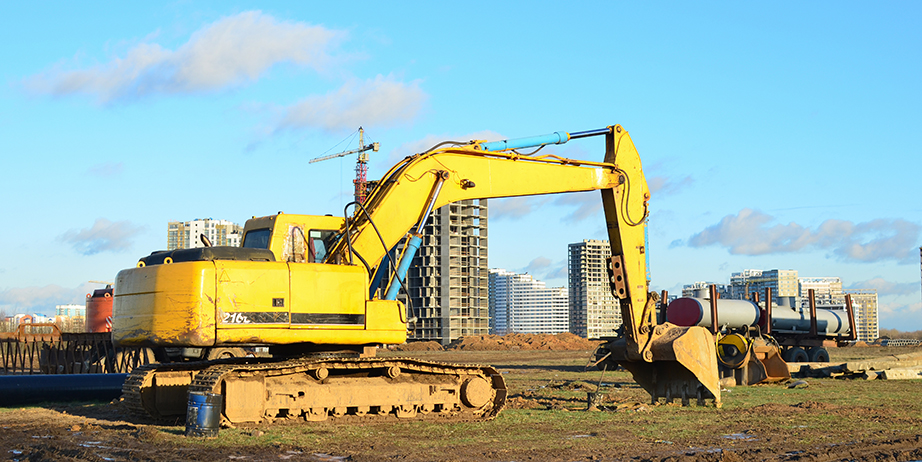
Major manufacturers like Caterpillar, Komatsu, and Volvo are putting serious investment into AI-powered earthmoving machines, remote-controlled excavators, and autonomous trucks. Remote-operation platforms now let operators run bulldozers and excavators from control rooms or job site trailers, which keeps crews away from active traffic lanes.
On a typical project today, a road paving contractor might be running:
- GPS-guided graders that follow digital terrain models
- Smart compaction rollers that track density and temperature in real time
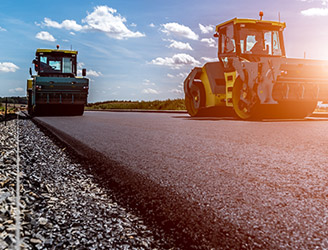
- Automated pavers that adjust screed levels without manual input
- Telematics systems that monitor machine performance and flag maintenance needs remotely
- Automated Flagger Assistance Devices (AFADs) that manage traffic without putting workers in live lanes
These tools move production faster and reduce some of the physical risks that have always come with roadway work. The tradeoff is a different kind of exposure, one that a lot of road contractors have not fully accounted for yet.
How Automation Changes Your Risk Profile
New technology does not make a job site risk-free. What it does is move risk into categories that most roadway contractors were not thinking about when they set up their coverage.
Software errors can produce construction defects
A GPS-guided grader does exactly what its digital model tells it to do. If that model has incorrect elevation data, the road is graded incorrectly. The machine operated perfectly.
The output is still defective, and the liability has to land somewhere. For a road surfacing contractor, that kind of claim can involve the equipment manufacturer, the data source, and the contractor who ran the job.
Overreliance on automation is a real exposure
When crews trust automated systems to catch problems, manual checks tend to drop off. A sensor that is reading incorrectly goes unnoticed. A calibration issue on a road paving contractor’s equipment can affect a long stretch of finished road before anyone identifies it.
Maintenance on modern equipment is more complicated
Road construction machines carry onboard computers, electronic sensors, and hydraulic automation. Incorrect repairs or a missed calibration can create safety problems that simply did not exist with older equipment.
Multi-party liability is harder to untangle
When a project uses digital engineering models, automated machines, and subcontractors running separate software systems, identifying who caused a defect takes time. That delay has a cost. For more on how these exposures play out on active projects, this overview of road construction risk management covers the pressure points road contractors run into most often.
How Insurers Are Evaluating Road Contractors Now
Most roadway contractors built their insurance around traditional risks: worker injuries, equipment accidents, traffic incidents, and property damage. Those risks have not gone away. Technology has added layers on top of them that standard coverage was not written to handle.
Insurers are adjusting how they evaluate road construction contractors. When an underwriter looks at your operation today, they want to know more than your payroll and the type of work you do. They are looking at:
- What equipment is in your fleet, and how automated is it?
- Whether your maintenance records show consistent upkeep on advanced systems
- How operators are trained on automated and semi-autonomous machines
- What verification steps do you have in place to catch data or calibration errors before they become field problems
A road contractor running a modern fleet with no documentation behind it is a harder risk to underwrite. That shows up in higher premiums, tighter coverage terms, or gaps that only surface after a claim is filed. The contractors who come to renewal in the strongest position are the ones treating their technology systems the same way they treat equipment logs. Keep records, verify outputs, and make sure your crews know when to override automation.
Gett A Coverage to Match Your Operation
As equipment gets more complex, the gap between what your policy covers and what your operation actually does can grow without you noticing. Standard construction coverage was not written with automated graders or GPS-guided paving systems in mind.
SitePro is built for site preparation, grading, paving, and roadway construction. It covers general liability, commercial auto, workers’ compensation, inland marine for mobile equipment, and completed operations, the full range of exposures that roadway contractors carry.
It is backed by an A+ rated carrier, meaning the carrier has the financial strength to pay claims without question. With over 35 years in specialty construction insurance, the program brings risk control and claims support that is grounded in how these jobs actually run.
Contact us directly to review your coverage options or ask your broker to sign you up.
FAQs
- What is the latest technology for construction equipment?
Heading into 2026, the biggest advances include GPS machine control, IoT-enabled machinery, drone surveying, AI-powered planning, and semi-autonomous earthmoving equipment. For roadway contractors, the most widely adopted tools right now are automated graders, smart compaction rollers, remote-operated excavators, and AFADs for traffic control.
- What is the most common risk factor on a construction worksite?
Falls are the leading cause of construction fatalities according to OSHA, with 320 deaths recorded in a recent year. For roadway contractors, traffic exposure adds to that. Motorists are nearly twice as likely to die in a work zone crash as construction workers, which puts public liability high on the list of ongoing concerns.
- Does using automated equipment affect my insurance as a contractor?
Yes. Insurers now look at equipment automation levels when underwriting road construction contractors. A well-documented fleet with telematics and trained operators can support better coverage terms. Without maintenance records and operator training logs, modern equipment can actually create more questions at renewal, especially when a claim involves technology failure or a defect traced back to automated systems.
- What are the risks of autonomous construction equipment?
The main concerns are sensor malfunction, software errors, incorrect digital model inputs, and operator overreliance on automated systems. When automated equipment produces a defective result, liability can be difficult to assign since the machine, the data source, and the operator may all be factors. For road paving contractors, this is most relevant in GPS-guided grading and automated paving work, where a calibration error can affect large sections of finished road before anyone catches it.