











The roar of heavy machinery, the precision of expert hands shaping the earth, and the anticipation of a new project taking form—excavation and grading are the heartbeats of construction. But beneath the surface of every ambitious job lies a critical need for safety.
As an excavation contractor, keeping your workers safe is priority number one. Ensuring your team’s well-being isn’t just a box you can tick off; you need proper planning, training, and construction site safety protocols, to send your people home safely at the end of each day.
In this comprehensive guide, we’ll walk you through key excavation safety tips and best practices to help you maintain a secure job site, minimize risks, and foster a culture of safety excellence.
Plan Ahead to Prevent Accidents
Before breaking ground on any project, you need to assess the site for potential dangers if you want to prevent any accidents while excavating. Keep these points in mind:
- Examine the site for unstable soil conditions, nearby structures that could be compromised, and underground utilities that require marking.
- Evaluate environmental factors, such as weather patterns and water table levels, which could impact site stability and necessitate additional precautions.
- Develop a comprehensive safety plan that not only addresses identified hazards but also outlines clear, actionable protocols for your crew to follow.
- Incorporate contingencies for emergency situations and evacuation procedures into your safety plan to ensure a swift and organized response in the face of unexpected challenges.
- Collaborate with a geotechnical engineer to assess soil conditions and develop strategies for managing any identified risks linked to soil stabilization or the use of specialized equipment.
- Establish clear communication channels with utility companies and local authorities to ensure that all necessary permits are obtained and that any potential conflicts with existing infrastructure are resolved before work begins.
Train Your Team on Safety Measures for Construction Workers
Even the best laid plans are only effective if your team knows how to execute them. That’s why comprehensive workplace safety training is the linchpin of a responsible and effective excavation business. To ensure that your entire crew, from seasoned veterans to fresh recruits, can handle the unique challenges of excavation work, consider the following:
- Provide thorough, ongoing education on excavation safety tips, proper equipment usage, and emergency response procedures to every worker on your crew.
- Prioritize hands-on training and real-world simulations to reinforce key concepts and build the muscle memory necessary for swift, effective action in high-pressure situations.
- Bring in safety experts to lead immersive, on-site training sessions that address the specific risks and challenges of your projects.
- Strengthen lessons learned through regular toolbox talks, refresher courses, and interactive workshops to keep safety at the forefront of your team’s priorities.
- Foster a culture of open communication and active feedback, encouraging your team to voice concerns, share insights, and collaborate on continuous safety improvements.
- Implement a mentorship program that pairs experienced workers with new hires, promoting the transfer of valuable safety knowledge and fostering a sense of camaraderie and shared responsibility.
- If you have a sufficiently large practice, consider investing in training that uses VR simulations and interactive e-learning modules, to enhance the impact and accessibility of your workplace safety training program.
- Recognize and reward workers who demonstrate exceptional safety performance, reinforcing the importance of adherence to protocols and encouraging others to follow their lead.
By investing in your workers’ safety knowledge, you demonstrate that their well-being is a top priority—a message that will boost morale and keep safety top-of-mind.
Implement Best Practices on the Job Site
With a solid plan and well-trained crew, it’s time to translate theory into action. On the job site, grading worker safety should guide every decision and behavior.
On the job site, every decision and action should be guided by an unwavering commitment to worker safety. To ensure that your team is well-equipped to handle the challenges of excavation work, consider implementing the following best practices:
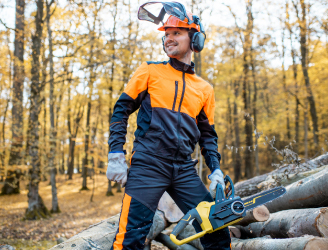
- Enforce the use of appropriate PPE at all times, including hard hats, eye and ear protection, and high-visibility clothing.
- Don’t cut corners when it comes to equipment maintenance—a malfunctioning machine can quickly turn into a deadly hazard. Prioritize regular equipment maintenance and inspection to prevent accidents.
- Communication is key on the job site. That’s why you should establish clear channels—whether it’s through two-way radios or standardized hand signals—to ensure seamless coordination between operators and ground workers.
- Implement a buddy system that ensures no worker is ever alone in a trench or excavation, providing an extra layer of safety and accountability.
- Utilize sloping, shoring, and shielding techniques to prevent cave-ins and protect workers from falling debris, recognizing that these measures are the foundation of excavation hazard prevention.
- Conduct regular safety audits and inspections to identify potential hazards, ensure compliance with established protocols, and facilitate continuous improvement.
- Foster a culture of responsibility and accountability, encouraging workers to speak up when they observe unsafe conditions or behaviors and empowering them to take corrective action.
- Near misses are opportunities for growth and course correction. Have a robust incident reporting and investigation system in places that enables your team to learn from incidents, identify root causes, and develop targeted strategies to prevent future occurrences.
- Use advanced technologies, such as drones and remote sensing equipment, to minimize worker exposure to hazardous situations and enhance overall site safety.
Remember, a little extra time spent on safety measures can save lives and prevent catastrophic accidents. By consistently modeling and enforcing safety best practices, you cultivate a culture of responsibility that permeates every aspect of the job.
Stay Up-to-Date on OSHA Regulations for Grading
Regulatory compliance is a key component of any effective safety program. OSHA sets strict guidelines for excavation and grading work, from permitting requirements to protective system standards. Consider the following strategies:
- Regularly review OSHA’s excavation safety resources, to stay aware of any updates or changes to the regulations.
- Attend industry workshops, webinars, and conferences to learn about best practices, emerging technologies, and strategies for maintaining compliance.
- Consider engaging a compliance consultant to conduct a thorough audit of your safety program.
- Don’t hesitate to reach out to OSHA directly with questions or concerns—they’re there to help you navigate the complex web of regulations.
- Develop a comprehensive compliance plan that outlines your strategies for meeting OSHA requirements.
Failing to meet OSHA requirements not only puts your workers at risk, but can also result in hefty fines and damage to your professional reputation. As a leader in your field, you have a responsibility to set the standard for safety and compliance. By making regulatory alignment a constant priority, you protect your workers, your business, and your bottom line.
SitePro: Safety First, Safety Always
Excavation and grading are high-risk activities, but accidents are not a given. Through meticulous planning, rigorous training, and unwavering enforcement of safety practices, you can keep your team safe.
NIP Group offers SitePro—the most comprehensive insurance program available for construction contractors focused on site preparation, grading, excavation, and land improvement. SitePro offers specialized coverage, risk control, and claims management services that allow you to focus on what matters most—running your business safely and efficiently.
What we do for you:
- From excavators to land improvers, our program is tailored for all types of site contractors
- Countrywide Protection: SitePro is admitted in all 50 states, so your coverage goes wherever you go
- Policies Start at $25K
- Old School Forms, New School Protection: Older Additional Insured versions plus jobsite pollution and auto pollution coverage
- The Complete Package: General liability, auto, property, inland marine, umbrella, pollution, employment practices, cyber, and workers’ comp
Our commitment to your success means you can take on the toughest projects with complete assurance that we have your back. And, our comprehensive risk management strategies are designed not only to protect your business but also to enhance its operational efficiency.
Contact NIP Group today and experience elite partnership firsthand.