











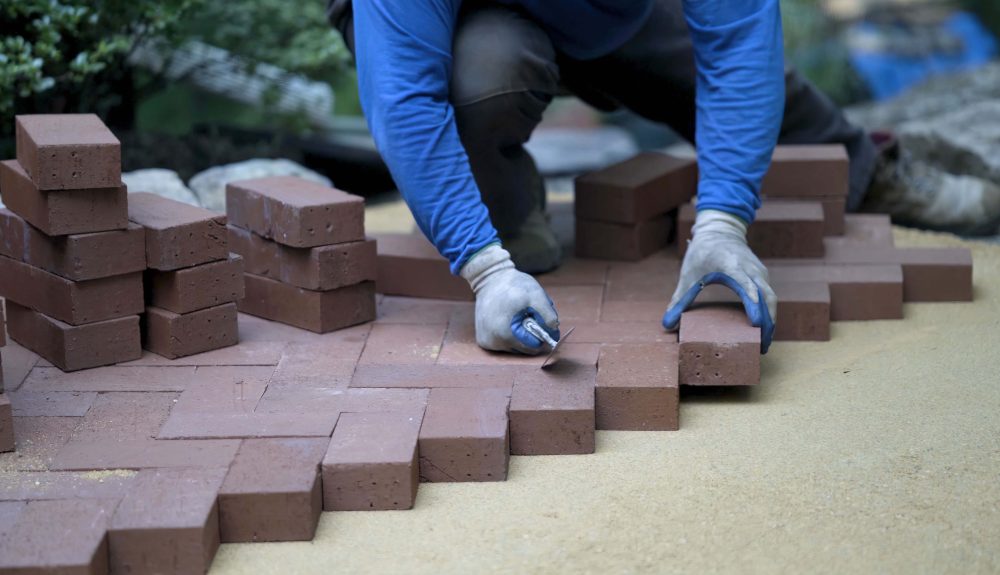
Most hardscaping businesses don’t get tripped up by the project.
It’s the paperwork. The prep. The little things that inspectors don’t always flag at the start, but definitely notice when there’s a claim.
One poorly prepared base layer or overlooked drainage slope can raise red flags for underwriters and even lead to claim denials.
Inspections are getting stricter, especially for businesses that:
- Handle heavy materials or operate large machinery
- Work near public-access spaces
- Subcontract out labor without consistent protocols
Insurers want to see traceable work that demonstrates your understanding of the risks unique to hardscaping.
In this blog, we’ll walk through the most important hardscaping practices that can help your projects pass insurance inspections, whether you’re focused on residential patios or commercial retaining walls.
How to Make Your Next Hardscaping Inspection Stress-Free
Insurance inspections serve as a gatekeeper to affordable coverage and expedite claim approvals. These seven on-the-ground best practices will help your hardscaping business stay ready, protected, and policy-compliant at every stage.
1. Conduct Thorough Substrate Prep Before Any Install
Under every great hardscape is a base that was built with care and not haste.
Site issues like shifting surfaces, loose pavers, or standing water often trace back to what wasn’t done beneath the installation. And while these might not show up immediately, insurers are tracking how often they show up later.
Before any hardscaping installation, crews should:
- Test for soil stability and consider regional factors like frost lines and rainfall patterns
- Match your base depth and material to the project load; residential patios won’t match commercial driveways
- Don’t treat compaction as a one-and-done; compact in layers, not just at the end
Many hardscaping companies focus on the visible finish. But when insurers assess workmanship-related losses, it’s the hidden groundwork that often decides your claim status.
2. Maintain Documentation for Every Buried Utility Clearance
When a hardscaping project involves digging, subsurface utility strikes are one of the costliest risks you face. Carriers now routinely request proof that 811 calls were made and that locates were completed before work began.
Don’t rely on verbal confirmations or assumptions. Instead:
- File every 811 ticket or third-party locate report in your project folder
- Include timestamps, scope of marking, and site maps when available
- Store any communication from utility companies or inspectors who reviewed the site
These records satisfy both regulatory requirements and help validate that your hardscaping services were planned responsibly.
3. Only Use Materials Approved by Local or State Code
If your materials don’t meet local code, even a well-installed patio or retaining wall can trigger coverage issues.
Start with your local building authority’s approved materials list. Then:
- Verify that every supplier provides documentation or labeling showing ASTM, AASHTO, or equivalent compliance
- Keep those certificates or datasheets in your project file, carriers may request them during claims review
- Confirm compatibility with local climate demands, especially in freeze-thaw zones
- Teach site leads to identify inconsistencies, such as discoloration, brittle texture, or mismatched sizes, that could indicate poor or counterfeit batches. Early rejection avoids costly rework and inspection problems
This is particularly critical for hardscaping companies operating across county lines or state borders, where approved specifications can vary widely. Additionally, bookmark your local code enforcement site or subscribe to alerts (if available) to stay informed about critical updates.
4. Keep Load-Bearing Specs for Retaining Walls on Record
When it comes to retaining walls, inspectors want proof that your build meets structural expectations. That means showing the specs. Log details like block type, wall height, and any reinforcement measures used.
Keep a simple spec log for each job. Store supplier documents and stamped drawings in the same folder your team uses for project records. For hardscaping companies handling both residential and commercial work, separate these logs by job type.
You’re not tracking this for show. If a wall fails and leads to an inspection or claim, this documentation may be your strongest defense.
5. Photo-Log Job Sites Before, During, and After Work
A full visual record of your hardscaping project helps confirm proper execution, especially when issues arise post-inspection.
Make this part of your standard workflow:
- Snap the base prep before any stone or pavers go in
- Capture progress at each critical stage, especially structural or drainage work
- Take pictures of the finished site from multiple angles
Keep all items in designated directories, tied to the project name or client. This habit helps protect you if there’s a dispute around workmanship, materials, or compliance.
You can even use standout photos internally to train new hires or showcase well-executed hardscaping ideas with your team. But for inspections, think of them as proof.
6. Keep Slip or Trip Zones Clearly Marked at Active Sites
Marking potential slip and trip zones should be non-negotiable on every hardscaping site.
Use temporary signage like cones or paint to mark raised edges or freshly poured concrete, and even changes in elevation. These markings are for visitors as well as to help your crew avoid unnecessary accidents during tight work schedules.
Make it part of your site prep checklist, and update markings as the project evolves. Inspectors often flag unmarked hazards, especially near walkways and entry points.
Consistent marking shows that your team treats site safety seriously, which reflects well during any insurance inspection tied to hardscaping projects.
7. Standardize Your Subcontractor Agreements and Safety Checks
Before any subcontractor steps onto your hardscaping job site, have a vetted agreement in place. This should include project scope, safety expectations, liability clauses, and cleanup responsibilities.
Make it standard practice to walk each subcontractor through a short safety briefing on day one. Don’t assume experience guarantees alignment, as clarity prevents confusion.
Keep a signed record of the briefing along with your subcontractor contract file. During insurance inspections, this shows that both you and your crew hold to safety standards.
Avoid Delays, Denials, and Gaps with LandPro By Your Side
Every inspection is a stress test of your site’s readiness and coverage. With LandPro, you’re aligning with a program backed by over 35 years of field-tested experience with hardscaping companies.
LandPro doesn’t rely on cookie-cutter policies. It supports businesses like yours with:
- Risk control strategies that match real jobsite conditions
- Claims support that speaks your language—irrigation, grading, snow season, and more
- Access to safety tools and documentation practices that help you sail through inspections
- Inland marine that protects mobile hardscaping equipment on and off-site, reducing the risk of financial loss from theft or transit damage
As the largest program of its kind, LandPro understands the ins and outs of insurance inspections and can also prepare you to pass it.
Ask your broker to enroll you in LandPro today.
FAQs
- What is hardscaping, and how does it impact your insurance needs?
Hardscaping refers to non-living landscaping elements like patios, retaining walls, and walkways. These structures raise your exposure to property damage, liability, and material-related claims. - Which is the best hardscaping insurance for business owners?
LandPro offers tailored coverage, risk control, and claims support specifically for landscaping and hardscaping companies, making it a strong choice for comprehensive protection. - How can inspection failures affect your premiums?
Failed inspections due to poor prep or documentation may lead to denied claims or higher future premiums, hurting your margins on future bids. - Do residential and commercial hardscaping services need different coverage?
Yes. Larger commercial projects often involve higher liability limits, stricter code compliance, and more specialized endorsements than residential work. Always disclose your service mix.