





Few things go together better than hydroponics and greenhouses. But just because two things mesh well doesn’t mean things can’t ever go wrong! Preventing and reducing hydroponic risks to your greenhouse, growing setup, or production-based business is essential for no matter what (or how) you grow. With hydroponics, some of the health risks may surprise you.
But even when you grow hydroponically—a production method famous for convenience, cleanliness, and more-or-less easy growing—you still need to look out for the little details that can make everything go wrong. Here are 8 of these hydroponic gardening risks to manage and reduce while growing hydroponics in a greenhouse. These are common and apply to almost every hydroponics or greenhouse situation—look out for them!
1. Fire hazards
How could a water-based system pose a fire hazard? It may seem counter-intuitive, but professional hydroponic growers know all about this hydroponic system safety risk.
Hydroponic system safety starts with properly handling electrical components. Hydroponics (and especially in greenhouses, no less) require tons of electrical hookups, lighting, and other appliances. If not installed, wired, or run correctly, any one of these (or all) could bring the whole thing down in a blaze if you’re not careful.
Some quick tips for ensuring hydroponic system crop protection: If you can, have everything installed by a certified electrician.
- Even if it seems convenient, avoid using extension cords as much as possible (be sure to check out manufacturer guidelines for proper hookup).
- Use surge protectors around your structure which can help prevent short circuiting or overloading.
- Keep flammable things like media, row covers, plastic, etc. away from heaters, outlets, cables, or appliances.
2. Food safety hazards
Plants love water. This is just one part of what makes hydroponics so amazing. However, there’s just one unfortunate detail you shouldn’t forget though: pathogens absolutely love water, too.
It’s tempting to think of hydroponics in a greenhouse as a way “safer” setup because it uses no dirt or soil. This couldn’t be further from the truth.
Water quality and contamination pose significant health risks in hydroponics, as the recirculating nature of these systems can facilitate the spread of waterborne pathogens. If you don’t keep your hydroponics system well cleaned, sanitized, and maintained, pathogens like bacteria and even viruses can enter and get on your plants.
If these get on your plants and aren’t washed off or cleaned during the harvesting and packing process, it’s not just a threat to the health of your customers. There could also be some liability issues waiting for you, too, thus making it a threat to your business overall. To mitigate this hydroponic system safety risk, implement a robust water treatment program, regularly test water quality, and ensure that all employees follow strict hygiene protocols when handling plants and equipment
3. Plant disease hazards
Diseases that get from plant to human are only one set to worry about. Other pathogens of bacterial, fungal, and viral nature love areas with water and moisture, and can directly affect your crops, too— making them sick, impact their sell-ability, or even cause complete crop loss.
While hydroponics has tons of advantages, the risk of spreading disease is one downside to be mindful of at all times. Compared to soil or other hard media, once a pathogen dangerous to plants enters the system, it doesn’t just make one of them sick, low quality, or possibly die— it can actually affect all of them. Any contamination in the water will carry the disease directly to all of your plants. More reason to check on, clean, and sanitize systems regularly.
4. Power outage hazards
Another risk to hydroponic system safety and greenhouse growing: your plants are all dependent on the grid. Unlike outdoor growing where sunshine
and air movement are a given— giving plants their photosynthesis and disease reduction needs— if there is even a short-term power outage, this means your plants will lose light, air flow, humidity controls, temperature controls, and nutrients during that time. This can be devastating to any degree.
No matter what you do to prevent risk, power outages can and do happen to even the most fastidious and cautious of growers. You can prevent this potentially by putting your hydroponics or greenhouse system on a completely different circuit (such as off the grid with hydroelectric, wind, or solar) or you can be vigilant and have a backup generator handy to get your plants through power outages of any length of time.
5. Freezing hazards
If heating components are humming along perfectly in your greenhouse (and you regularly check that they do), then you really don’t need to worry about your hydroponics system. That said, it’s not the worst thing in the world to check on these and your hydroponics system often, especially during freezing weather.
Obviously, a freeze even in one area of the system could jam up and affect the entire growing operation. Not to mention: cold water running at the roots of some of your plants may be less than ideal, even if there isn’t freezing happening there necessarily.
Managing hydroponic risks like freezing hazards in your hydroponics in a greenhouse requires a full-scale check. And just of your hydroponics and heating appliances, but also of your entire greenhouse. Things like cold leaks and drafts in especially cold regions could lead to unsuspecting freezes— and it’s much better to check than to deal with the fallout.
6. Chemical Exposure:
Handling Hydroponic systems often rely on various chemicals, such as nutrients, pH adjusters, and pest control products. Improper handling or exposure to these substances can pose health risks in hydroponics to employees. As part of your safety measures for hydroponic growers, ensure that all chemicals are properly labeled, stored, and handled according to manufacturer guidelines. Provide appropriate personal protective equipment (PPE) and train employees on safe handling procedures.
7. Lack of oversight
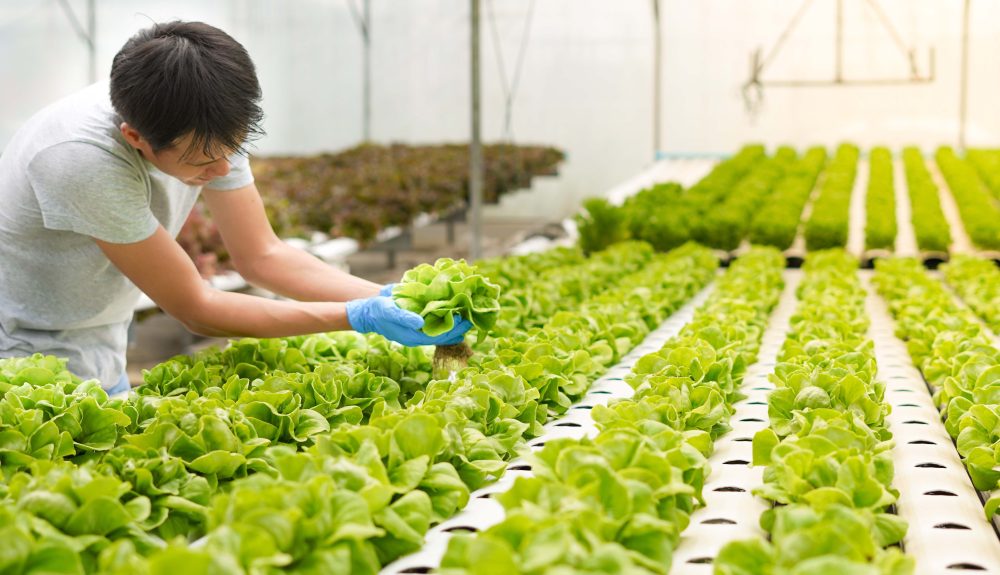
Hydroponics makes growing in a greenhouse a smooth experience. The tradeoff? They need to be monitored and checked almost constantly: either by the operator themselves, or at the very least a paid employee. Reducing hydroponic risks requires constant oversight.
You might be able to walk away from something like a small vegetable garden or farm, but you really can’t walk away from a hydroponic system! Even the smallest lapse or error in hydroponics that doesn’t get immediately fine-tuned can threaten the entire operation. To ensure hydroponic crop protection, make sure you are always checking your system (or have a means to at a distance, such as with an app or smart greenhouse technology); or, make sure you have employees that are highly trained to be attentive and watchful to even the most minute detail of your hydroponic greenhouse system.
Tailored Insurance Solutions for Eco-Visionaries
Don’t let the idea of hydroponic gardening risks to your growing operation get you down. All growing operations, even hydroponics in a greenhouse, have some level of systemic safety risks.
Even very advanced hydroponics growers face risks they cannot control. For both amateur and senior growers, however, one of the most comprehensive ways to financially protect any greenhouse business from the widest range of risks is through greenhouse insurance.
NIP Group offers GrowPro—an insurance product tailored specifically for hydroponic and green growers.
You need a partner that understands the unique dynamics and risks of hydroponic gardening—contact us today.