










Summary:
- Disasters strain cash flow and expose exclusions that standard policies rarely cover.
- Catastrophe insurance helps recover faster by adding limits and strengthening lender compliance.
- This overview shows the benefits, types, and which businesses should consider coverage now.
Catastrophe insurance is a backstop for the rare event that could upend your whole year. Think of it as protection for low-frequency, high-severity losses that standard policies weren’t built to carry.
You’re still covered by property and liability, but this layer is designed for the outliers that overwhelm limits and budgets. It typically uses higher deductibles and clear event triggers, so payouts match truly extreme situations.
Perils can include things like natural disasters or prolonged power failures that halt operations and damage inventory. Your goal is continuity, by keeping cash flow moving and paying for debris removal.
In the sections ahead, you’ll see the core benefits, common structures, and ways to decide whether catastrophe coverage belongs in your program.
Benefits of Catastrophe Insurance
Catastrophe insurance sits above your primary policies and keeps your business moving when losses spike. Use it to protect cash flow and speed up recovery after extreme events, whether you buy standalone natural catastrophe insurance or pair it with your existing insurance.
- Financial Protection When Losses Spike
Catastrophe insurance cushions cash flow when a rare event overwhelms primary limits. This helps you avoid fire-sale asset disposals and expensive short-term borrowing while you stabilize operations. - Faster Path Back To Operations
The policy can fund debris removal and quick equipment replacement, so crews restart work sooner and revenue returns before customers drift. - Fills Gaps In Standard Policies
It can address tight sublimits or exclusions for natural disasters or service interruption, and align deductibles and waiting periods. This way, claims move without friction. - Strengthens Contracts And Compliance
Extra limits help you meet lender and landlord requirements and calm client concerns during bids and renewals. It demonstrates that your risk program is built for severe weather and grid outages. - Improves Stakeholder Confidence
A property catastrophe insurance layer signals resilience to employees and customers and supports your continuity plan. This makes recovery faster and keeps relationships intact after a major event.
Types of Catastrophe Insurance
Here’s how to think about the main types so that you can match coverage to the right categories of risks.
Natural Catastrophe Insurance
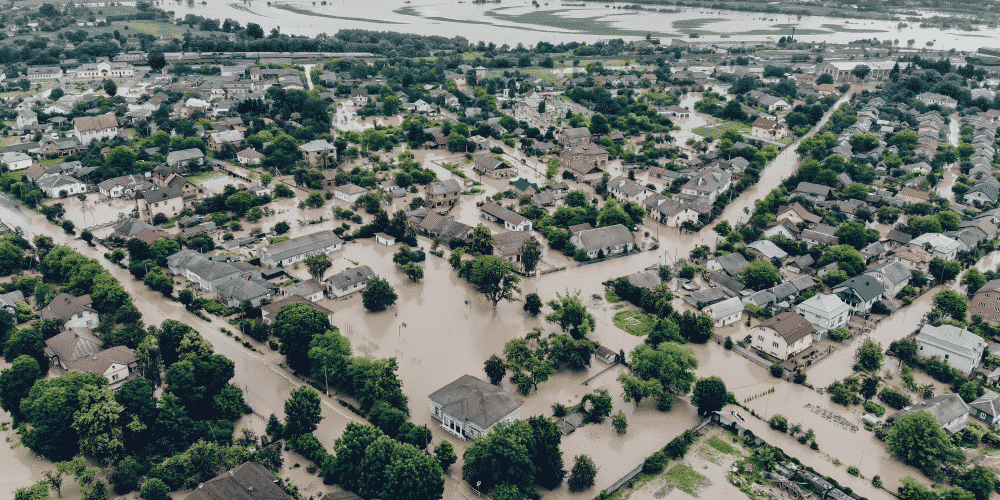
This coverage handles weather and geology that overwhelm normal property policies. Think flood, storm, wind and hail, wildfire, earthquake, and winter catastrophe.
A natural catastrophe insurance layer can restore capacity where sublimits are tight and waiting periods slow recovery. If you operate across regions, align terms across locations, and confirm how hours clauses and occurrence language apply.
Ask your broker how the catastrophe insurance policy coordinates with business interruption so payroll and vendor payments continue during closure windows.
Man-Made Or Systemic Event Coverage
This one addresses shocks that are not strictly weather. Examples include riot or civil commotion, malicious damage, terrorism options, and off-premises service interruption that knocks out power or data.
You can also extend to a contingent time element for key suppliers, so a distant outage does not halt your jobs. Insurers may structure this inside property catastrophe insurance or as a stand-alone form.
Map your critical utilities and top suppliers, then size limits to realistic downtime rather than best-case hopes. Know who will document losses and which catastrophe insurance adjuster will lead, so claims move quickly when every hour matters.
Who Should Consider Opting For Catastrophe Insurance
Catastrophe insurance fits more than coastal giants. If a single weather swing can stop work, spoil stock, or sideline crews, you should look at it. Below are three sectors where the coverage often proves its value fast.
Tree Care Companies
Wind and ice can ground cranes and trigger emergency removals. A strong catastrophe insurance policy helps when a storm pushes losses beyond standard limits. It can fund debris removal and keep payroll moving while customers wait.
Line up your preferred catastrophe insurance for tree services now, so documentation and equipment logs flow the same day.
Construction Companies
Jobsites carry concentrated equipment and hard deadlines. One regional event can stall inspections and damage half a site in minutes.
Working with reputable catastrophe insurance companies adds capacity when owner contracts and lender terms require higher limits. Expect tighter coordination with schedules and a clear plan for temporary power and site security during recovery.
Greenhouse And Nursery Growers
Live goods make you time sensitive. Hail, freeze, smoke, and power loss can erase a season.
A natural catastrophe insurance program can cover stock loss within set terms, and get generators on site. Map critical houses and propagation areas, then align limits with realistic replacement windows rather than best-case hopes.
Choosing The Right Catastrophe Insurance Before The Next Storm
The decisions you make now decide how fast you reassure customers and steady your team after a severe event. That is where the right partner changes the outcome.
NIP Group’s specialty insurance programs are built around day-to-day operations and bouncing back fast after a fall. We focus on industry-specific coverages and safety services across 25+ industries and 50+ classes. Additionally, we are backed by A-rated XV carriers and a trusted national broker network.
You get comprehensive package solutions or precise monoline options that align with how you buy and budget. The programs protect safety-focused organizations from coast to coast and help them return to normal with fewer surprises.
Talk to your broker about the NIP Group program that fits your business, or contact us directly to review limits and gaps before the next season tests your plans.
FAQs
- What is catastrophe insurance?
Catastrophe insurance is extra protection for events like hurricanes, wildfires, earthquakes, and grid failures. It sits above or alongside your primary policies to protect cash flow when losses spike, and normal limits or sublimits are not enough. - What is a catastrophe limit in insurance?
A catastrophe limit is the maximum the policy will pay for a single catastrophic event or a series within the policy term. You choose it based on modeled exposures and how much downtime your business can financially withstand. - Do insurance rates go up after a natural disaster?
They often do. Carriers reprice after large losses, tighten terms, and raise deductibles in affected regions. Joining a natural catastrophe insurance program with credible mitigation and documentation can help you access capacity and negotiate more stable pricing over time. - What does catastrophic insurance not cover?
Typical exclusions include ordinary wear and tear, gradual deterioration, maintenance issues, and losses already excluded by primary policies. Some policies also exclude certain perils or locations. You need to review deductibles and sublimits to understand real out-of-pocket exposure.

