









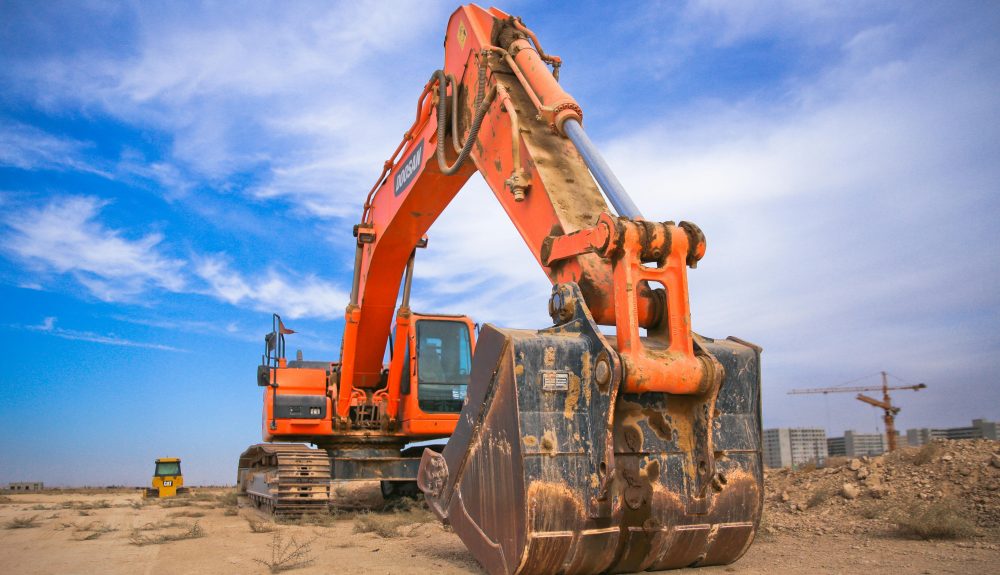
At 2:19 AM on July 6, 2025, police stopped an active excavator theft near Lake Poinsett. The suspects damaged the machine and took out a nearby car trailer too.
Unfortunately, this has become quite common nowadays.
Whether it’s theft or storm damage, today’s excavator-related claims are constant and increasingly complex.
If you own or rent a fleet, your existing contractor policy may not be enough. From the rising cost of repairs to newer cyber-exposures inside smart machinery, relying on generic plans is risky.
Instead, your business needs more targeted, operationally informed protection, designed for how excavators are really used.
In this blog, we’ll explore what modern threats look like and how the right excavator equipment insurance can help you build meaningful, future-ready coverage.
Growing Threats Excavator Owners Need to Insure Against
Your excavators are crucial assets that keep your projects on track. But protecting them requires more than just locking them up astoday’s risks are more sophisticated and harder to predict.
Here’s what your excavator equipment insurance needs to account for:
- Night-time thefts and illegal reselling: Stolen machines are often stripped and sold through untraceable online marketplaces. It’s fast and hard to reverse
- Floods, erosion, and sinkholes: One overnight downpour can leave your excavator half-submerged and unrepairable
- Attachment misuse or operator error: Rented excavators used by undertrained staff can lead to major mechanical damage and expensive disputes with rental companies
- Smart machine cyber-exposures: GPS, telematics, and software controls create new vulnerabilities, from hacking to remote shutdown
- Administrative blind spots: If you’ve upgraded machines or let coverage lapse without notice, your next claim might get rejected
These are the realities that heavy machinery protection must be built around, because outdated plans won’t hold up when claims get complicated.
How to Build Effective Protection Through Insurance
The right excavator equipment insurance should align with how you operate, not just what you own.
From rental rotations to extreme jobsite conditions, real-world coverage means being specific and proactive. Here’s how you can build a more resilient protection for your equipment and business.
Go Beyond Blanket Policies
A standard contractor equipment insurance plan might cover a lot, but not always enough. Blanket coverage treats all your machines the same, which can lead to gaps when issues arise on the job. That’s why a customized approach matters.
You should be tailoring your policy around:
- Machine age: Older models might need broader mechanical breakdown coverage
- Usage frequency: A high-use excavator may warrant added protection for wear-related failures
- Terrain type: Equipment used on uneven or flood-prone ground carries different risks
Consider add-ons that reflect how your fleet works in real life:
- Downtime loss for income protection
- Cab electronics coverage for in-unit GPS and monitors
- Hauling coverage for damage in transit
When it comes to excavator or earthmoving equipment insurance, an all-purpose approach won’t cut it. Specifics drive reliability, especially when you’re insuring high-value gear that works under pressure.
Address Rented Equipment With Standalone Clauses
Even if your base policy is solid, rented equipment often lives in a gray area, especially when it comes to excavators. Therefore, an excavator rental insurance should be a part of your plan.
Most rental agreements offer basic coverage, which may not meet your needs or protect you from third-party claims.
When using rented equipment, always:
- Ask providers about liability limits and who’s responsible during transport
- Clarify who covers operator misuse or incorrect attachment usage
- Review if the rental’s coverage includes theft or natural damage
To stay protected, work with your broker to add:
- Temporary endorsements for rental duration
- Named equipment schedules to identify short-term assets
- Transit coverage if you’re responsible for hauling
Rented excavators need just as much care as owned ones. Making your policy rental-ready helps reduce surprise gaps and protects your business’s bottom line.
Future-Proof With Tech and Compliance Add-Ons
As excavators become more sophisticated, insurance needs to keep pace. From GPS-enabled tracking to emissions compliance, today’s machines introduce new risks and new coverage requirements.
Smart coverage should account for:
- Telematics failures that misreport usage or create liability
- Software bugs that stall machine functions mid-job
- GPS or sensor glitches affecting location accuracy and theft recovery
Beyond tech, state-level rules are evolving. You might now be required to:
- Maintain machine ID logs for high-value assets
- Comply with emissions mandates, especially in urban zones
- Submit usage reports to verify safety and operational standards
Modern excavator equipment insurance steers far from protecting only damage. It facilitates staying ahead of both technology risks and compliance shifts before they become gaps in your policy.
Bridging the Gaps in Excavator Equipment Insurance
Basic policies might check the boxes, but when you’re running a fleet of excavators, you need protection designed for how these machines are used on a day-to-day basis. SitePro, with 35+ years of experience insuring contractors, builds coverage specifically for excavation risks.
Here’s what that really looks like:
- Property and inland marine coverage with limits up to $3M for physical damage or site-based loss
- Auto liability that supports hauling risks and damage en route
- Cyber liability tailored for GPS failures or telematics breakdowns in smart machines
- Contractors’ pollution liability, in case of spills or environmental violations during digging
- Workers’ comp and EPL to account for seasonal hires, injuries, or employment-related claims
- Umbrella liability to stack over multiple layers of risk, including equipment and third-party exposure
When evaluating excavator equipment insurance, don’t limit your focus to general liability. Ask your broker how your policy covers delays, heavy machinery damage, penalties, and site chaos before claims.
FAQs
Q1. What PPE is needed for heavy machinery?
Operators typically require steel-toe boots, high-visibility vests, hard hats, hearing protection, and safety gloves. Depending on site conditions, fall protection and respiratory gear may also be necessary.
Q2. What insurance covers equipment theft?
Excavator theft coverage is usually handled under inland marine or contractor’s equipment insurance. These policies kick in whether the gear goes missing from a site, storage yard, or even while in transit. Just be ready with updated inventory lists and any required paperwork if you’re filing a claim.
Q3. Does equipment age affect insurance premiums?
Yes, older excavators may lead to higher premiums due to increased risk of mechanical failure and parts unavailability. Insurers often assess usage hours, maintenance history, and value depreciation when pricing coverage for aging equipment.
Q4. How do cyber risks impact excavator insurance?
Yes, especially with the rise of smart excavators. Risks like GPS spoofing or software bugs are being factored into policies. Some insurers offer optional coverage for these kinds of threats, which can affect your premium and what’s covered if something goes wrong.