





Summary:
- Owners will reward commercial landscapers who deliver measurable performance, such as water savings, resilient plantings, and safer, well-lit sites.
- Smart irrigation, climate-ready design, durable hardscapes, and proof-driven portals are the 2026 levers that cut waste, reduce incidents, and win renewals.
- This blog discusses exactly how to deploy those four trends, i.e., what to spec, how to run it in the field, and how to prove results clients can trust.
The landscaping market trends point towards a steady growth with the industry value moving from ~$100B in 2024 toward ~$150B by 2033 at ~4.5% CAGR.
Owners are steadily investing in durable paving, efficient irrigation systems, and better lighting to attract customers and improve safety. One of the popular installations are drought-resistant plantings to cut water spend and callbacks.
For commercial landscapers, the win in 2026 is pairing design and tech with proof, such as specifying resilient planting and deploying smart controls.
We’ll cover the four landscaping trends shaping specs, maintenance, and RFPs, and how professionals can turn them into margin and retention.
1. Smart Irrigation and Sensor-Driven Care
The standard is shifting toward connected controllers that read weather and plant needs, plus simple sensors that confirm whether a fix actually worked. Clients want a clear story of how the site is using water week by week.
This fits the current landscaping trends toward performance you can see on a dashboard, not just in a monthly invoice.
Start with a package that any crew can run. Use a smart controller by zone, place soil-moisture probes where exposure changes, and add a master valve and flow meter on the main so leaks trigger an alert. Pressure regulation smooths sprinkler performance, which cuts overspray and uneven coverage. The goal is predictable irrigation that protects plant health and reduces truck rolls.
- Map every zone and label valves so techs can find and fix issues quickly
- Set alert thresholds for flow, moisture, and weather overrides on day one
- Build a weekly review rhythm that checks runtime by zone and an exception list
- Attach a quick photo at the head after each repair so the portal shows proof
When commercial landscapers’ services run this way, sites often see double-digit reductions in water use along with higher establishment survival for new plantings. Retail and mixed-use properties appreciate the budget control and the trail of photos, while campuses value faster responses when a break happens.
2. Climate-Resilient Design Without the “Messy” Look
Owners want planting that survives heat and reads premium at the entry. Commercial landscapers can deliver that by combining native-forward mixes with clean geometry in front-of-house areas.
Plan the layout so maintenance is predictable. If you group by water need and exposure, you can stage tougher species in hotter microclimates that the site walk reveals.
- Split irrigation by sun, shade, and soil so each hydrozone runs a consistent schedule
- Use stone mulch in hot strips near pavement and shredded bark in cooler beds to hold moisture
- Select trees by wind and heat patterns, and pair meadow bands with a tight mown frame for a finished look
- Add compact pocket-forest blocks at perimeters and keep entry beds in simple massing for brand clarity
The result is lower replacement rates and cleaner water budgets that trend down through the first year. Professional commercial landscapers who show before-and-after visuals and simple seasonal calendars turn these landscaping trends into renewals and referrals.
3. Hardscape Durability and Site Safety as a Revenue Center
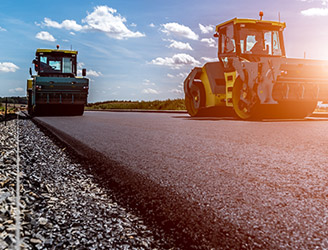
Owners are putting money into surfaces and lighting that look good and cut incident risk. This means commercial landscapers in 2026 can turn inspections and small repairs into steady work.
When pavements stay level and walkways stay bright, sites feel cared for and claims stay low. The plan is a maintenance plan that treats hardscape like living infrastructure rather than a once-and-done install.
- Use permeable pavers where drainage is weak. Also, build a real base with washed stone, a choker layer, and firm edge restraint so joints do not open and heave
- Stabilize secondary paths with resin or fines, then schedule yearly top-offs to prevent ruts after storms
- Keep tree zones healthy with root-friendly bases such as structural soil or suspended pavement, so slabs do not lift and trip people
- Light the paths with full cut-off LED heads around three thousand Kelvin. Also, add photocells, and target even levels that keep faces and steps visible without glare
- Add sightline fixes at crossings, tactile warnings at curb ramps, clear wayfinding, and a slip plan naming the product so winter crews act consistently
- Bundle quarterly inspections with joint sweeping, sand refresh, leveling, relamping, and a photo audit in the client portal.
4. Proof, Portals, and Procurement Rewrite the Relationship
Procurement is asking for results they can verify, not promises on a worksheet. For commercial landscapers, this means your work needs a visible trail that shows who arrived, what changed, and how the site improved.
The latest landscaping trends favor teams that build proof into the day, because it shortens disputes and turns good maintenance into documented performance.
- Geofencing for crew check-ins and attach time-stamped before and after photos to each task
- Add QR tags to controllers, valves, and high-value trees so every visit links to the right record
- Track irrigation exceptions, leak fixes, and replacements with dates and a brief note on what changed
- Close each route with a short summary and run a weekly review that clears any open exceptions
You are no longer trying to convince a committee that the site looks better. You are showing a history of actions and outcomes that match their goals for safety, water, and curb appeal.
Insuring the Commercial Landscapers of Tomorrow
2026 will reward commercial landscapers who deliver results they can prove, such as water savings that hold or safer pavements and lighting.
The same operating discipline should shape your protection. Ensure your coverage aligns with your current work, which includes connected irrigation, sensor-guided maintenance, hardscape inspections, and photo-verified service.
If you want an insurance partner specializing in this industry, LandPro brings 35+ years of expertise, specialized risk control, fast claims support, and an A+ strength. Ask your broker to connect you with LandPro, or contact us to learn more.
FAQs
- Is landscaping a high-risk industry?
Yes, it’s a moderate-to-high risk field, especially for commercial landscapers. You’ve got moving equipment, trucks on busy lots, slips and trips, chemicals, tree work, and winter services. Strong training, traffic control, PPE, and documented service logs keep losses down. - What type of landscaping makes the most money?
Steady margins usually come from recurring commercial maintenance with enhancements. Add-ons like irrigation retrofits, landscape lighting, seasonal color, and hardscape fixes lift ticket size while crews are already onsite. - What is the future of landscaping?
In the coming years, the money is expected to follow performance. Smart irrigation and sensors prove water savings, drought-resilient designs lower replacements, LED relamps cut incidents, and portals show work done. - Which is the best insurance for commercial landscapers?
Look for an insurer that understands crews, seasons, and site risks. LandPro fits that brief with 35+ years of experience, industry-specific coverage, and fast claims support, so your protection keeps pace with how you operate.