









Labor shortages are a growing challenge for tree care businesses across the US. Why is there a labor shortage? Well, from visa issues to the seasonal nature of the work, the industry faces unique hurdles. An aging local workforce, the dangerous and tedious nature of the job, and a heavy reliance on immigrant workers further compound the labor shortage problem. High turnover rates are common, as injuries or physical strain often force workers to leave. Additionally, the male-dominated nature of the field and the lack of demand for such physically demanding work make it harder to attract and retain talent.
In this blog, we’ll explore how tree care businesses can become more attractive employers, retain employees, and ensure contract renewals—even in the face of labor shortages.
Step 1: Understand What You’re Dealing With
To address labor shortages, it’s important to first take a step back and get the root of what motivates people to work (or avoid certain jobs). It’s easy to understand when you think about it: People work because they enjoy their tasks, seek recognition, or simply need to make ends meet.
However, personal safety is always a top priority. Workers want to support their families today and also in the future. This means that jobs that appear dangerous or risky are less appealing. Tree service worker job descriptions pretty much spell out dangerous in large capital letters. That’s why tree care jobs, unfortunately, lose points when it comes to desirability. (We’re just adding up points, we don’t make the rules!)
Additionally, jobs that could lead to legal trouble or expensive accidents are unattractive. Tree care, with its potential for costly mishaps, suffers in this regard. Finally, jobs that seem overly difficult or complex—like operating heavy equipment or navigating intricate harnesses—are also less appealing.
Chainsaws appear in tree care workplaces, and horror movies. Of course, people are afraid. Anyone would want to be a janitor rather than operate something that could take their arm out.
Step 2: Display Seriousness About Worker Safety
One of the most effective ways to attract and retain workers is by demonstrating a commitment to their safety. This means investing time and resources into:
- Training
Comprehensive training programs are non-negotiable. Newbies are sure to feel overwhelmed by the complexity of operating a chainsaw, and even getting into harnesses correctly. By offering hands-on training sessions, you can build confidence and competence.
Consider certifications like ISA (International Society of Arboriculture) or OSHA-approved courses to ensure your team is well-prepared. Training shouldn’t stop at onboarding—regular refreshers and safety drills can keep skills sharp and reduce accidents.
- PPE (Personal Protective Equipment)
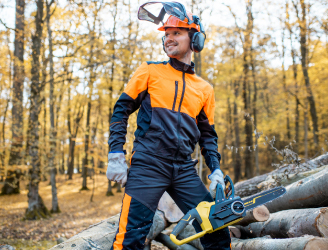
High-quality safety gear is a must. Imagine a worker climbing a 50-foot tree without a proper harness or helmet—it’s a disaster waiting to happen.
Equip your team with essentials like helmets, gloves, eye protection, and chainsaw-resistant clothing, and mandate utilization. Hold surprise checks to ensure rules are being followed.
Tree care companies have reduced accidents by 40% after investing in top-tier PPE and training their team on proper use.
- Worker’s Compensation Insurance
Robust workers’ comp coverage is critical if you want to attract workers to what seems like a fairly risky professional. For instance, if a worker falls from a tree and suffers a spinal injury, workers’ comp can cover medical bills and lost wages. This is especially important for immigrant workers, who may have families depending on their income.
Tree care businesses can improve employee retention after introducing a comprehensive workers’ comp plan that includes disability benefits and survivor support.
By prioritizing safety, you not only protect your workers but also make your business more appealing to potential employees. A safe workplace is a productive one, and word gets around—skilled workers are more likely to join a company that values their well-being.
Include all of these measures in a note accompanying your tree service worker’s job description.
Step 3: Reduce On-the-Job Stress
A stressful work environment can drive employees away. To reduce stress, consider:
- Clear SOPs (Standard Operating Procedures)
Clear guidelines are essential for minimizing confusion and errors. For example, a tree care team faced repeated delays and accidents because workers weren’t sure how to handle emergency situations. After implementing detailed SOPs for tasks like tree removal, storm cleanup, and equipment maintenance, productivity increased by 25%, and stress levels dropped significantly. SOPs should be easy to access—consider laminated checklists for quick reference. - Onsite Supervisors
If you have a largely immigrant team, language barriers can add unnecessary stress. Hiring bilingual supervisors or providing language training can improve communication and support. For instance, a tree care company hired a Spanish-speaking supervisor for their predominantly Hispanic crew. This small change led to a 20% reduction in workplace misunderstandings and a noticeable boost in team morale. - General and Professional Liability Insurance
Accidents happen, and without proper coverage, they can lead to legal and financial nightmares.
If a tree falls on a client’s property and damages their roof, general liability insurance can cover the repair costs. Similarly, if a client sues for negligence after a botched pruning job, professional liability insurance can handle legal fees and settlements.
Nobody wants to spend the day stressed that doing their job just might cause an accident that sends a giant bill to their boss. On the other hand, countless tree care businesses have avoided lawsuits thanks to their liability coverage, which also gives their teams peace of mind to focus on their work.
- Address Racism and Bullying Onsite
Workplace stress isn’t only about physical safety or operational challenges—it can also stem from interpersonal issues like racism or bullying. It is not unheard of for organizations—small and large—to face high turnover on account of racial slurs and exclusionary behavior. Implementing a zero-tolerance policy for discrimination and providing sensitivity training can drive team cohesion and employee satisfaction.
Pro tip: Encourage open communication and provide anonymous reporting channels so employees feel safe voicing concerns.
A respectful and inclusive workplace isn’t just the right thing to do—it’s essential for retaining talent, that you eventually need to keep your business running.
By reducing stress, you create a more positive work environment where employees feel supported and valued. This not only improves retention but also enhances productivity and job satisfaction.
By reducing stress, you create a more positive work environment where employees feel supported and valued. This not only improves retention but also enhances productivity and focus.
Step 4: Pay Fair Wages
Most people work to get paid. Few have the luxury of working out of passion instead of need. Fair wages are a cornerstone of attracting and retaining skilled workers in the tree care industry. While the job is physically demanding and often dangerous, competitive pay can make it more appealing. Let’s break down hourly arborist labor rates by state/ city:
- California
- Hourly Mean Wage: $31.45
- Arborists in California earn some of the highest wages in the country, with an annual mean wage of $65,420.
- Michigan
- Hourly Mean Wage: $24.98
- With a strong demand for tree care services, Michigan offers competitive wages, averaging $51,960 annually.
- New York
- Hourly Mean Wage: $28.92
- Tree care professionals in New York earn an annual mean wage of $60,160, with higher rates in metropolitan areas like NYC.
- Florida
- Hourly Mean Wage: $19.95
- While wages are lower compared to other states, coastal areas may offer higher pay due to increased demand. The annual mean wage is $41,490.
- New Jersey
- Hourly Mean Wage: $23.86
- New Jersey arborists earn an annual mean wage of $49,630, reflecting the state’s higher cost of living.
Paying fair wages isn’t just about attracting workers—it’s about showing respect for their skills and the risks they take. Companies have halved turnover (and minimized lost business, errors etc, alongside) after increasing the base wage. Fair pay also helps workers cover living expenses, especially in high-cost areas, and reduces financial stress, which can improve job performance and morale.
If you’re not sure about wages, check government websites to get a fair idea of hourly arborist labor rates by state or city. Share your wage rates as part of the tree service workers’ job description and invitation to apply. If you pay well, it will act as a magnet for talent.
Step 5: Consider Also Attracting Daredevils and Adrenaline Junkies
You know this: some people thrive on adrenaline. Adventure sports enthusiasts, for example, often pay for training and experiences that offer thrills. Similarly, some young workers might be drawn to tree care jobs for the excitement and extra cash. Others simply thrive on active, physically demanding jobs “in the great outdoors.”
However, this demographic is often savvy about their rights and safety. They’ll expect proper training, PPE, and fair treatment. If things go wrong, they’re also more likely to speak up (and they can get really loud on social media). So, while targeting this group can help fill labor gaps, ensure you’re fully prepared to meet their expectations.
Pro tip: This demographic consists of youngsters from the neighborhood and local community who might want to supplement beginner salaries. Or they may need work experience to speak of. Or a weekend (non-desk) job during higher studies. The tree service worker job descriptions that you send to this talent market would focus on different aspects from your immigrant talent market—words like independence, thrill, adrenaline would make sense to this market.
TreePro: Reliable Insurance for Arborists
When it comes to protecting your business and employees, TreePro is the gold standard. Labor shortages aren’t the only problem in tree care; as a business it is rife with risks. Fortunately insurance can mitigate almost all the risks that tree service businesses face.
For over 35 years, TreePro has provided industry-specific insurance solutions tailored to tree care businesses of all sizes.
Our comprehensive coverage includes:
- Worker’s Compensation: Ensures your team is protected in case of injuries.
- General and Professional Liability: Shields your business from legal and financial risks.
- Excess Liability: Offers additional coverage for high-risk scenarios.
- Specialized Coverages: Includes crane and boom exposures, snow and ice removal, and even wildfire liability protection nationwide.
Have your broker sign you up for TreePro today. Protect your team and become a more attractive employer overnight—tackle the labor shortage smartly. Contact us for more information.
FAQs
- Why is worker safety important in tree care?
Prioritizing safety attracts workers, reduces injuries, and ensures long-term employee retention. - How can I reduce stress for my tree care team?
Provide clear SOPs, onsite supervisors who speak their language, and reliable liability insurance. - What makes TreePro a good choice for arborists?
TreePro offers comprehensive, industry-specific coverage, including workers’ comp, liability, and wildfire protection.
Can targeting adrenaline seekers help with labor shortages?
Yes, but ensure proper training, PPE, and safety measures to meet their expectations.