









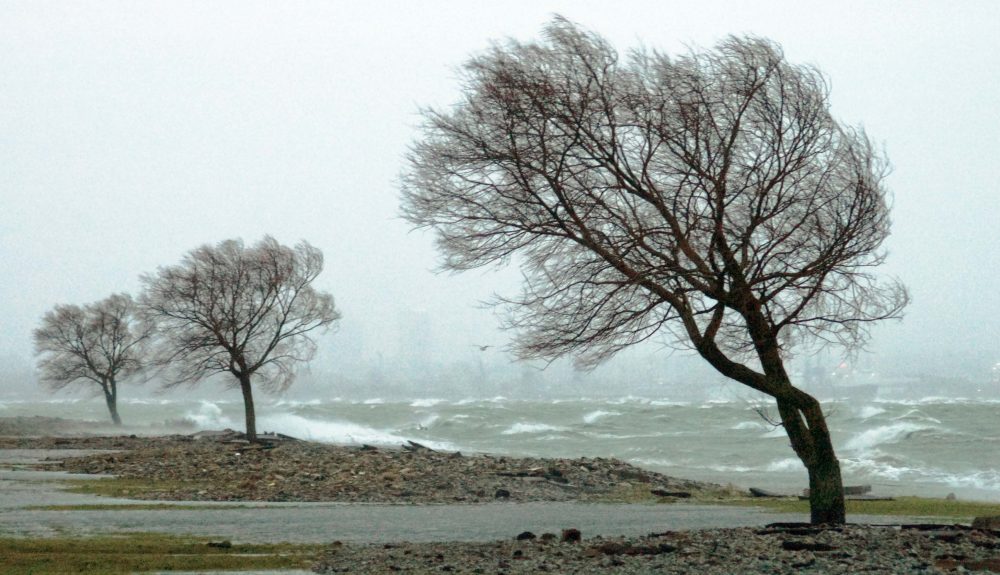
When that 3 AM emergency call comes in, you know what it means—Mother Nature just unleashed stormy chaos in your service area.
Here’s the thing about post-storm damage tree removal operations—they’re not just about clearing debris. You’re restoring normalcy to your community
In those moments, your tree removal services become invaluable to communities in crisis. As fallen trees block roadways and damaged limbs threaten properties, your response can make the difference between chaos and recovery.
Storm season is getting longer, storms are getting stronger, and your tree service business needs to be ready. The old ways of handling storm-damaged trees may not always cut it anymore.
We’re breaking down a modern, systematic approach to post-storm tree servicing operations that will help you stay safe, profitable, and ahead of the competition
Immediate Response Protocol
The moments following a storm are crucial. Your first steps set the tone for your entire recovery operation.
Before your crews hit the ground running, make sure you have a comprehensive safety checklist in place. Survey the area for downed power lines, and never assume they’re dead—treat every wire as live. Your post-storm assessment for tree removal should begin with a drone survey when possible, to give you a bird’s-eye view of the damage while keeping your team safe.
Next, set up a rapid response hub. This could be as simple as a vehicle equipped with:
- Mobile charging stations for all communication devices
- Laminated area maps marked with utility lines
- Pre-printed assessment forms and waivers
- Emergency contact lists for local utilities
- First aid kits and emergency supplies
Remember, you’re not just removing trees; you’re carrying out a post-storm damage recovery operation. Prioritize your response based on:
- Immediate safety threats to people and structures
- Access to emergency services and critical infrastructure
- Secondary damage prevention opportunities
- General cleanup and aesthetic concerns
A lesson learned from veteran arborists: Create a color-coding system for your job tickets. Red for emergencies (immediate response needed), yellow for urgent cases (24-hour response), and green for standard cleanup. This visual system helps your entire team prioritize efficiently during chaos.
Operational Excellence During Peak Demand
When calls flood in for the removal of storm-damaged trees, your ops efficiency becomes your competitive edge.
Your equipment needs to be storm-ready at a moment’s notice. Maintain a storm response kit for each crew, including:
- Emergency response gear
- Documentation tools (cameras, tablets, forms)
- Basic repair supplies
- Safety equipment
- Communication devices
Keep a “storm season backup kit” with spare parts for your most critical equipment. Nothing derails your operation faster than a chainsaw breaking down during peak demand. Include common replacement parts like:
- Chainsaw chains and spark plugs
- Hydraulic hoses
- Basic electrical components
- Fuel filters
- Emergency repair tools
The tree service industry demands precise coordination when managing post-storm tree recovery. Use digital tools to track your teams and update job statuses in real time. This not only improves efficiency but also helps manage customer expectations.
Managing Client Relations and Business Growth
During crisis moments, clear communication becomes essential. Here’s a communication framework built specifically for emergency and tree removal services post-storms:
- Initial Contact:
- Acknowledge the emergency
- Ask specific questions about safety concerns
- Set realistic expectations about response time
- Gather precise location and access information
- On-Site Assessment:
- Take before photos from multiple angles
- Mark hazard areas with safety tape
- Document pre-existing property damage
- Provide written estimates when possible
When discussing the cost of tree removal after a storm, be transparent about your pricing structure while emphasizing the value of professional service. Consider offering a “storm damage assessment package” that includes:
- Comprehensive property evaluation
- Photo documentation
- Preventive recommendations
- Priority scheduling for future services
Transform emergency calls into lasting relationships by:
- Providing detailed documentation of work performed
- Offering preventive care recommendations
- Following up after the immediate crisis
- Building a database of affected properties for future maintenance
Smart tree service operators know that storm damage creates opportunities for long-term client relationships. Consider offering a “Storm Readiness Audit” as a follow-up service, where you:
- Identify potential hazard trees
- Assess soil conditions and root stability
- Document tree health and structural issues
- Provide a prioritized maintenance pla
Risk Management and Legal Considerations
Tree removal operations after a storm carry inherent risks. Here’s your essential documentation checklist:
- Pre-work site photos with timestamps
- Signed work authorization forms
- Equipment inspection logs
- Employee safety briefing records
- Post-work completion photos
- Client satisfaction confirmations
Protect your business by maintaining comprehensive documentation of:
- Pre-existing property conditions
- Scope of work agreements
- Photo evidence before and after
- Signed waivers and contracts
- Equipment maintenance logs
Tree removal insurance coverage becomes your safety net during peak storm season.
A common mistake is assuming your standard business insurance covers everything. Make sure your policy specifically includes:
- Emergency response operations
- Overtime labor costs
- Temporary equipment rental
- Debris disposal
- After-hours operations liability
Long-term Business Preparation
Success in storm damage tree removal services requires year-round preparation. Develop a comprehensive storm response plan that includes:
- Staff training protocols
- Equipment maintenance schedules
- Communication procedures
- Emergency contact lists
Resource allocation strategies
Building Resilience for Future Storms
Technology integration can revolutionize your tree service operations. But here’s the key—don’t wait for a storm to test new systems. Implement and master these tools during calm weather:
- Weather monitoring systems with push alerts
- Digital mapping tools for efficient routing
- Client management software with emergency protocols
- Equipment tracking systems with maintenance alerts
- Communication platforms with backup systems
Protecting Your Storm Response Success with TreePro
Having all these emergency response systems in place is great, but what happens when things don’t go according to plan?
Having the right insurance coverage isn’t just a safety net—it’s your storm season superpower.
At NIP Group, we’ve spent the last 35 years getting our hands dirty in the tree care industry. We didn’t just create TreePro by sitting behind desks—we built it by working directly with arborists like you, understanding the real challenges you face during storm season and beyond.
Here’s what makes TreePro different (and why it matters to your storm response operations):
- We speak your language: When you tell us about that tricky removal next to a power line or that emergency storm response at 2 AM, we get it. We’ve been specializing in tree care for 35 years, and that experience shows in our coverage.
- We scale with your success: Whether you’re a solo operator tackling your first storm season or managing multiple crews across storm-damaged areas, our coverage adapts to your needs. Because the last thing you need during peak storm season is to worry about coverage gaps.
- We’ve got your back when it counts: Storm response is unpredictable, which is why we offer up to $25 million in specialized liability protection nationwide. Working in high-risk areas? Dealing with utility lines? No problem – we’ve seen it all.
- We’re there when you need us: Storms don’t wait for business hours, and neither do we. Our 24/7 availability means you get quick responses when timing is crucial.
We know you’re not just trimming hedges. You’re handling complex removals, operating heavy equipment, and making split-second decisions in challenging conditions.
Ready to storm-proof your business? Ask your insurance broker to sign you up for TreePro by NIP Group today.
FAQs
Q: What factors affect storm damage tree removal cost?
Costs vary based on tree size, location, damage extent, and emergency response timing. Additional factors include equipment requirements and accessibility challenges. Experienced operators typically consider factors like overtime labor rates, equipment wear and tear, and disposal fees in their pricing structure.
Q: How soon should I respond to calls for storm-damaged tree removal?
Prioritize responses based on safety threats and property damage risks. Immediate response is required for cases involving structural damage or blocked access ways. Pro tip: Use a threat assessment matrix to categorize calls—multiply the likelihood of further damage by the potential impact to prioritize your response.
Q: What equipment is essential for storm damage tree services?
Essential equipment includes chainsaws, bucket trucks, cranes, chippers, safety gear, and emergency response kits. Consider maintaining relationships with equipment rental companies for surge capacity during major storms. Many successful operators maintain a “storm season equipment alliance” with other tree services in different regions