








Ever faced that moment where a job goes sideways, and you’re left wondering if your insurance has your back?
You know that one wrong move, one equipment failure, or one unexpected storm could put everything and everyone at risk.
That’s why choosing the right insurance provider for arborists could be the difference between sleeping soundly at night and lying awake worrying about your business’s future.
Let’s look at the things you need to know about tree service insurance to protect your business.
Understanding Your Unique Tree Service Insurance Needs
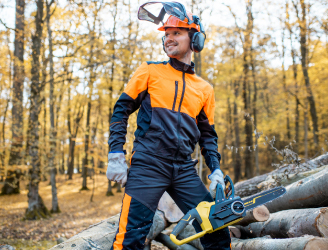
You’re dealing with challenges that your average business owner couldn’t even imagine. Whether you’re removing a 100-foot oak hovering over a historic home or treating valuable specimens in a corporate park, your risks are as diverse as the trees you work on (or in).
Standard business insurance often excludes aerial work above certain heights—typically 15 feet. That’s barely the height of a mature dogwood tree. When was the last time you worked on a job that didn’t require going above that height? We’ll wait…
Let’s break down what your arborist business needs insurance coverage for:
- The complexity of aerial operations
- The value of specialized equipment
- The risks associated with chemical applications
- The potential for property damage during operations
- The unique liability exposures of tree care work
Here’s a pro tip that could save you some serious cash: Keep detailed records of your safety meetings and equipment maintenance schedules. You’d be surprised how many tree service insurance providers will knock down their premiums when they see you take safety seriously beyond the basic OSHA checkboxes.
Evaluating Tree Service Insurance Providers
When shopping for tree service business insurance, looking at premium costs alone is like evaluating a tree by only looking at its leaves.
You need someone in your corner who knows their stuff—someone who won’t give you a blank stare when you start talking about bucket trucks and boom lifts.
Want to know if an insurance provider gets you?
Just start asking questions.
Has the provider worked with arborists before? Do they understand seasonal fluctuations in your business? You don’t want to be explaining why ice storm season means different coverage needs than summer work.
What should you be looking for? Here’s your checklist:
- Dedicated underwriters who understand arboriculture
- Risk management resources tailored to tree care operations
- A streamlined claims process that keeps your business moving
- Clear communication about coverage terms and exclusions
Essential Coverage Components
Now, let’s look at the meat and potatoes of your tree service insurance coverage.
- General Liability: Think of this as your safety net—but here’s the catch. Standard policies might exclude aerial work or have height restrictions that don’t work for your business. And for your line of work, that’s like having a chainsaw without a chain.
- Equipment Coverage: Your chippers, grinders, and aerial lifts are the backbone of your operation. Make sure your coverage accounts for both owned and rented equipment and includes coverage while in transit.
- Commercial Auto: This isn’t your standard car insurance situation. With a fleet constantly on the move, your business insurance for tree service needs to cover not just vehicle damage, but also the specialized equipment mounted on your trucks.
- Workers’ Compensation: Tree work is inherently dangerous.: Look for providers who offer safety training resources and understand ANSI Z133 safety standards. Better training means fewer claims and fewer claims means lower premiums. Win-win.
Making the Right Choice
Before you sign on that dotted line, here are the questions you need to ask:
- How many tree service companies do you insure?
- What’s your average response time for claims?
- Do you offer any industry-specific training or safety resources?
- Can you provide references from other tree care companies?
Remember this golden rule: The lowest premium isn’t always the best value. Think about the whole package:
- Risk management support
- Payment flexibility
- Claims handling reputation
- Coverage exclusions and limitations
Pro Tip: Create a digital archive of all your certifications, licenses, and safety records. The more organized you are, the smoother your tree service insurance experience will be—from initial application to potential claims.
Partnering with NIP Group’s TreePro Program
Choosing the right tree service insurance partner isn’t about checking boxes.
You have to find someone who gets what you do and has your back when things get rough. Take your time, ask the tough questions, and make sure your choice sets you up for success.
After 35 years of working specifically with tree care professionals, we’ve learned a thing or two about what you need.
That’s exactly why we created TreePro at NIP Group.
TreePro offers comprehensive tree service liability insurance designed specifically for arborists and tree care professionals.
We’re not just another tree service insurance provider—we’re your partners in growth, safety, and success.
Here’s what makes us different:
- Our coverage scales with you—from solo operations to multi-crew enterprises.
- Need specialized protection for utility line work? We’ve got you covered. Working in wildfire-prone areas? We offer up to $25 million in specialized liability protection nationwide.
- 24/7 availability and quick responses when things go wrong
Let’s protect what you’re building. Ask your insurance broker to sign you up for TreePro by NIP Group today.
FAQs
Q: What are the bare-bones tree service insurance requirements for a new business?
You’ll need general liability insurance, workers’ compensation, commercial auto coverage, and equipment insurance at minimum. Requirements vary by state and contract specifications, but these are your non-negotiables.
Q: When should I review my coverage?
Here’s the deal with your tree service business insurance—review it annually at minimum, and any time your business hits a growth spurt or adds new services.
Q: What really moves the needle on tree service insurance costs?
Several factors influence your costs, including years in business, claims history, equipment value, number of employees, and the types of services you offer.