









Summary
● Cold weather makes every tree care hazard harder to manage
● The cognitive cold stress symptoms are the hardest to spot and the most dangerous on the job
● In this blog, we cover the cold stress symptoms that tree crews and supervisors need to recognize at every stage
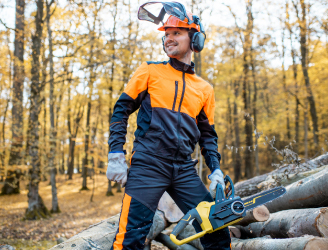
A climber working 40 feet up doesn’t get to pause and check how cold they feel. Ground crew running a chipper in January aren’t stopping to assess their grip strength. Tree work doesn’t offer those moments, which is why cold stress symptoms can move ahead of a crew before anyone on the ground knows there’s a problem.
Tree workers have a fatality rate 15 times higher than other workers. Cold weather makes existing hazards harder to manage. This guide explains cold stress symptoms on tree worksites, their progression, and what crew leaders should watch for to prevent serious issues.
What Is Cold Stress?
Cold stress occurs when cold exposure threatens a worker’s health or safety. It happens when the body loses heat faster than it can produce it, causing core temperature to drop. Wind and wet clothing make this worse.
Even moderate temperatures can lead to cold stress if workers sweat during physical activity and then rest. This is crucial for tree crews, who face physical exertion, heights, and wet conditions more than many outdoor jobs.
The Signs of Cold Stress Tree Workers Miss First
The obvious physical cold stress symptoms are well known. Shivering. Numb hands. Pale skin. Most workers push through those rather than report them, especially mid-job.
The signs of cold stress that create the most risk on tree worksites are the ones that look like something else entirely:
Physical signs:
- Intense or uncontrollable shivering
- Pale or cold skin, especially on the face and hands
- Reduced grip strength and stiff, fumbling fingers
- Fatigue that sets in earlier than it should
Cognitive and behavioral signs:
- Slower responses and delayed decision-making
- Forgetting routine steps like rigging checks or hazard assessments
- Difficulty tracking or responding to radio communication
- Unusual quiet or sudden irritability from a normally engaged worker
The CDC confirms that cold exposure directly impairs brain function. Thinking and physical coordination both deteriorate as core temperature drops. A worker struggling to process information clearly has no business making cut decisions or managing a rope system from height.
Must Read: Tree Pruning and Removal: Contractor Risks After a Storm
Stages of Cold Stress Illness on a Tree Worksite
The stages of cold stress illness move faster than most crews expect. Knowing where a worker sits on that progression determines whether the response is a warm-up break or an ambulance.
Mild cold stress
The worker is still alert but already impaired. Intense shivering, stiff muscles, and reduced hand coordination are the main signs. On a tree job, this shows up as slower rigging work, fumbled knots, or equipment that takes longer to handle than normal. The body is still generating heat, but performance has dropped.
Moderate cold stress
When shivering slows or stops, that signal often gets misread as recovery. The body has exhausted its ability to self-warm, and the worker may seem confused and unsteady, with responses that come slow and don’t quite track. Those behavioral changes often get written off as tiredness, which is exactly when they get missed. Get the worker off the job and somewhere warm immediately.
Severe cold stress
At this stage, core temperature has dropped below 95°F and this is a medical emergency. The worker may be unconscious, with a very slow pulse and blue or pale skin. Call 911 immediately and handle the person gently until help arrives, as sudden movement can trigger cardiac arrest.
Two other conditions show up in tree crews working in wet or freezing environments:
- Frostbite: freezing of skin and tissue, most common in the fingers and toes. Early signs include numbness, aching, and waxy or pale skin
- Trench foot: painful swelling or blistering from prolonged exposure to cold, wet ground. It can develop even when temperatures are above freezing
Crews that handle spraying operations carry additional pollution liability in cold weather that standard policies often don’t account for.
What Supervisors Should Watch For
Research from Princeton EHS confirms that workers in cold stress often cannot recognize their own impairment. Supervisors who understand what is cold stress can catch early signs before the situation becomes dangerous. That makes observation the most reliable early-warning system on a winter worksite.
Watch for these changes in your crew:
- A normally communicative worker who goes quiet
- Missed steps in routines they’ve done hundreds of times
- Slow or unclear responses to radio check-ins
- Movements that look stiff, unsteady, or poorly coordinated
- Questions or instructions that don’t seem to register
Cold stress degrades hazard recognition. A crew member working impaired won’t assess a compromised overhead limb the way they would on a clear-headed day.
That’s when cold stress symptoms stop being an individual health issue and start putting the whole work zone at risk. In cold weather, equipment failures also become more frequent and harder to contain when a crew is already operating impaired.
Winter Safety Tips for Construction Workers and Tree Crews
These winter safety tips for construction workers and tree crews cover the basics that make a real difference on the job:
- Layer properly: moisture-wicking base layer, insulating mid-layer, waterproof outer shell
- Use insulated, grip-rated gloves built for active hand work
- Build warm-up rotations into the job timeline, even if a heated truck cab is all you have on site
- Run a buddy system with crew members assigned to watch each other for early cold stress symptoms
- Set wind chill thresholds before the season starts and have a clear policy for when work gets adjusted or stood down
NIOSH recommends employers develop a written cold stress prevention program with defined temperature thresholds and emergency response procedures. For a tree operation, those policies should be in place before the first cold-weather job of the season. Winter operations also affect insurance costs more than most tree service owners realize until renewal time.
Protect Your Crew and Your Business This Winter
Cold stress symptoms don’t just put workers at risk on the job. A cold-weather injury means a workers’ compensation claim, a potential OSHA citation, and a crew gap that hits every job on the schedule.
Standard business policies often weren’t written for tree work, and winter incidents have a way of exposing those gaps. TreePro is built specifically for tree care operations. It covers general liability, workers’ compensation, commercial auto, inland marine, and specialty coverages, including arborist E&O and wildfire liability. It’s backed by A+ rated carriers, meaning carriers with the superior financial strength to pay claims when you actually need them to.
Ask your broker to sign you up for TreePro, or contact us to review what your current coverage does and doesn’t include.
FAQs
How quickly can cold stress develop on an outdoor worksite?
Frostbite can develop in under five minutes in severe wind chill, according to OSHA. Hypothermia can occur within 20 to 30 minutes if a worker is wet and fatigued.
Water pulls heat from the body 25 times faster than dry air, making sweat-soaked clothing a serious risk even in moderate temperatures.
What should a tree care company prepare before sending crews out in cold weather?
At minimum, before any cold-weather deployment:
- Insulated, grip-rated gloves and waterproof boots suited for tree work
- First aid kits with chemical heat packs and a medical thermometer
- Warm-up rotations built into the job schedule
- Supervisor training on recognizing signs of cold stress
- A written wind chill threshold policy
TCIA also recommends staging dry clothing, thermal blankets, and high-calorie food in work trucks for cold-weather jobs.
Are tree care employers liable if a worker develops hypothermia on the job?
Tree care employers can be held liable, and the exposure is more significant than most owners realize. OSHA requires employers to protect workers from recognized hazards, and cold stress symptoms that go unaddressed on the job qualify as one. A cold-weather injury with no safety plan in place can result in an OSHA citation and a workers’ comp claim from the same incident. Workers’ comp covers cold stress injuries in most states, but claims drive up premiums at renewal.