







Have you ever wondered what it takes to ensure a safe working environment on an excavation job site? Well, effective communication and education represent a good place to start. Regular safety discussions or Toolbox Talks, as they’re often called, play a vital role in educating operators, workmen, and other staff on safe practices.
If you supervise an excavation team, or run an excavation business, ensuring your team’s safety is part of your list of responsibilities. This means that you need to come up with topics and plans for ToolBox talks. In this article, we’ve rounded up ToolBox Talks topics and tips that supervisors and business owners can use to improve excavation job site safety.
1. Falls, trips and slips
Falling is one of the top causes of death in the construction industry. As a result, it is crucial to address the topic in your ToolBox Talks for excavation safety. Encourage thorough site inspections to identify potential risks and implement appropriate control measures—teach your team what to look for on these inspections. Host live demos. Show your team a picture or video of an excavation site and ask them to name safety measures. Make it creative and engaging.
Some of the things you might train the team on include proper barricading and signage to alert fellow-workers about hazardous areas. Stress the necessity of maintaining clear walkways and practicing good housekeeping to minimize trip hazards.
Your ToolBox Talk should also insist that workers use fall protection equipment and safe entry and exit procedures for excavations.
2. Water Accumulation
Your ToolBox Talk must highlight the hazards water poses inside excavations. Water can act as a lubricant, weakening soil bonds and leading to cracks. Erosion from water flow can undermine excavation walls, causing collapses. Also, prolonged water presence can soften the soil, creating a collapse-prone zone at the bottom. Moreover, deep water levels pose drowning risks, especially during sudden discharges.
To mitigate these risks, advise workers never to enter into water-filled excavations without evaluation by a competent person. Make this part of standard operating procedures. Also, include a must-haves checklist that includes water removal equipment, shoring, or trench shields. In extreme cases, workers may need personal flotation devices and lifelines—these emergency-ready items should also be included in your checklist.
It might also pay to coach workers what the telltale signs of a water-risk-prone site may look like.
3. Other Onsite Dangers
When discussing improving excavation safety and excavation safety guidelines, it’s crucial to address the hazards not only within the excavation site, but also those lurking above ground.
Your ToolBox talk should encourage workers always to assess the area for overhead electrical lines to prevent accidental contact while digging. They should also ask workers to identify potential surface hazards like boulders or trees that could pose risks once excavation begins.
A supervisor’s ToolBox Talk must ensure that the workers maintain a safe distance from excavation equipment to avoid being struck by moving parts. Create standard flows and worker positioning formations that can minimize injuries during loading and unloading activities.
4. Personal Protective Equipment (PPE) Wear
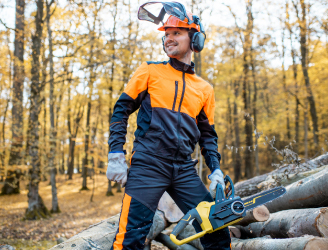
Proper usage of Personal Protective Equipment (PPE) is a top excavation safety measure. Your ToolBox Talks should emphasize the importance of wearing the appropriate PPE and should also train them on selecting the right equipment for specific tasks like hard hats (to protect against falling or lateral impacts) gloves (for specific tasks like handling sharp objects or chemicals), safety glasses and goggles to protect workers from flying debris and accidents caused by tools.
Distribute collateral, have a fun quiz to enable better memory retention and put up literature inside vans and in other high visibility areas, so that workers have a ready reckoner when they’re not very sure about what PPE gear is appropriate for a given job.
5. Hazardous Atmosphere
ToolBox Talks for construction safety should emphasize the importance of testing the atmosphere for gases like methane and hydrogen sulfide, especially when working near landfills or sewer lines. Inhaling these gases can be absolutely fatal for workers.
You should also highlight the risks associated with contaminated soil and the use of internal combustion-powered tools, which emit carbon monoxide. Supplement this by training workers to mitigate associated risks with face shields, ventilation and so on.
6. Distress In Soil
Not much addressed, yet a super important ToolBox Talk topic should be signs of soil distress.
Workers must be encouraged to watch for tension cracks forming along the sides of the excavation. If ignored, these cracks can signal potential cave-ins. Supervisors must also educate workers on keeping an eye out for bulging along the sides and any sinking or slumping at the top edge (this indicates subsidence, another red flag for collapse).
Lastly, workers must be trained to stay vigilant against “heaving,” where the soil at the bottom appears to rise due to pressure from the surrounding soil. Heaving can still pose a threat even with protective measures like trench boxes.
But even with all the above measures in place, there’s always a chance for things to go wrong. Injured workers could mean heavy claims-related expenditures that can damage your bottomline and financial resilience. Onsite accidents that damage utility lines could hurt your reputation, especially if you haven’t the financial wherewithal to offer compensation or foot the bill for repairs.
That’s why you need insurance.
Protect your excavation business from financial risks associated with safety management
Whether you specialize in site preparation, grading & excavation or land improvement, SitePro safeguards your business with comprehensive coverage so that you can focus on what you do best, while we protect you from inherent business risks.
When you get SitePro, you get comprehensive coverage tailor-made for your business—this includes heavy equipment coverage, worker’s compensation coverage, commercial liability coverage, OSHA compliance and overall risk management.
SitePro boasts an A+ rating, which translates to greater reliability and stability from your point of view as an insured party. Contact us at info@nipgroup.com or (toll-free) 866 780 8076 and protect your business today.