










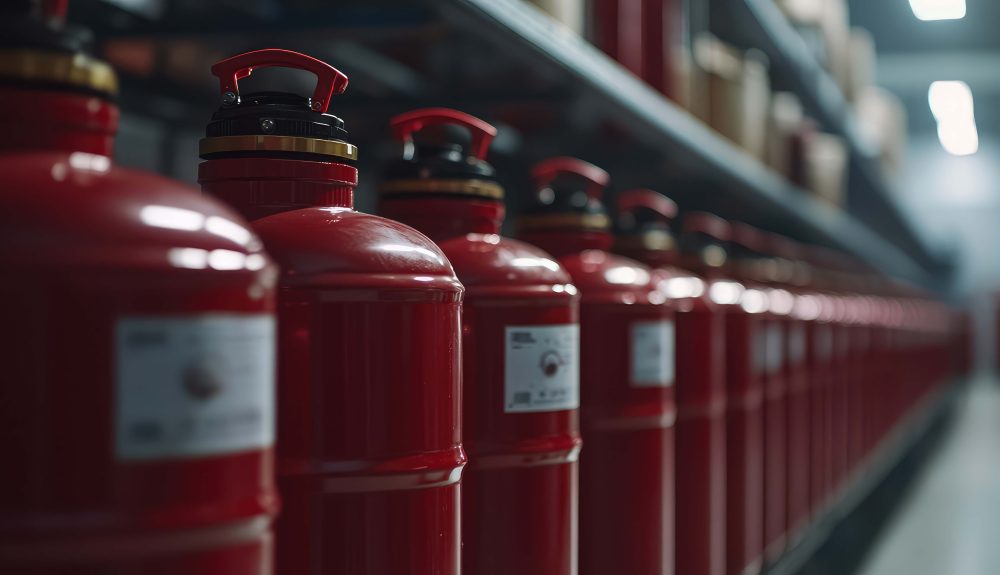
Picture this: your delivery driver drops off three 100-pound cylinders behind a small restaurant.
The crew signs off, props the tanks in the corner as part of the delivery handoff, and gets back to business. One is stored too close to a ventilation fan. Another is almost out of date. And none of them are secured. Your delivery team assumes the recipient is going to store them properly and use the nearly out-of-date tank first.
But you know what they say about assuming. Does the recipient know they’re supposed to be checking the dates on tanks? Do they know about storage protocols? Have you told them? Do you have proof that you told them?
If something goes wrong, your company’s name is on the paperwork.
That’s why propane safety isn’t just the end-user’s job. It’s a shared responsibility, and one that propane distributors need to lead on.
This guide outlines the storage best practices, compliance red flags, and client education tactics that help your customers stay safe. Most importantly, it helps protect your business from costly claims or misdirected liability.
What You Should Be Telling Your Commercial Clients About Propane Safety
Your clients may know propane is clean-burning and efficient, but they often don’t fully understand the storage risks. And when something goes wrong, you’re the one whose name is on the invoice, the manifest, or the service agreement.
That’s why it’s worth reinforcing these points with every delivery:
- Leaks aren’t always obvious: If sensors fail or tanks lose their odorant, leaks can go undetected. Remind your clients not to rely on smell alone
- Corrosion is silent: Especially in high-humidity states like Louisiana or Florida, rust creeps in fast. Encourage regular visual checks and wipe-downs
- Propane is pressurized: Even a small storage error, like too much heat or poor ventilation, can lead to dangerous pressure build-up
- It’s often stored near active workspaces: Commercial kitchens, outdoor storage sheds, or service garages all bring ignition risks closer than they should be
- Fire codes and local ordinances are evolving: What passed last year might not pass now.
Setting expectations early, whether in your delivery checklist, onboarding, or terms & conditions, can help your clients stay safe and keep liability where it belongs.
3 Best Practices for Safe Propane Storage
These propane safety tips will help ensure your business is storing cylinders the right way.
Proper Location and Ventilation
- Outdoors is always better, especially when the airflow is limited. If indoor storage is absolutely necessary, ensure it’s in a well-ventilated, code-compliant area
- It is never recommended or safe to store propane cylinders in basements, closets, or confined mechanical rooms
- Use sturdy metal racks or cages and
Condition and Position of Cylinders
- Always store propane tanks upright, on flat, non-combustible surfaces
- Use a secure base or rack to avoid tipping
- Dust, grease, or rust near valves and regulators can lead to unnoticed leaks, wipe them down during every check
Labeling, Rotation, and Inspections
- Implement a simple first-in, first-out rotation system to prevent expired tanks from lingering in storage
- Mark tanks clearly with fill dates
- Use a leak detection solution regularly and train employees on what to do if they smell gas, even faintly
What to Include in Your Client Compliance Reminders
You cannot always control how your clients store propane, but you can control what you’ve told them. And when regulators or insurers come calling, that paper trail matters.
What regulators and insurers want to see
- Clearly posted propane safety signage
- Staff trained on procedures, not just locations
- A simple inspection log, nothing fancy, just consistent
- Safety data sheets easily accessible and current
Common compliance gaps worth flagging early
- Missing or faded hazard labels on cylinders
- Expired tanks still sitting in storage areas
- No posted signage or obstructed emergency access
- Unsecured or unstable tank cages
Even a one-minute walk-through or client checklist handout can help reinforce safety and protect your business from blame when something goes wrong.
Where Insurance Usually Helps, and Where It Doesn’t
Even with airtight propane safety protocols, accidents can still happen. That’s where business insurance steps in for you, but only if it’s structured right.
When it works for you
- Property damage: If a tank leak causes fire or explosion, your property coverage can help recover the cost of repairs
- Injury coverage: If an employee or customer is injured due to propane-related mishaps, general liability and workers’ compensation coverage can step in
- Environmental cleanup: If a spill triggers local environmental response, certain commercial policies (like pollution liability) help cover those costs
But it won’t save you from:
- Gaps in routine maintenance: If records don’t show regular inspections or tank replacements, some claims may face extra scrutiny or delays in payout
- Regulatory fines: OSHA or fire code violations aren’t covered
- Improper storage: If your propane tanks were kept in a garage without ventilation or stacked unsafely, insurers may walk away
PropanePro: Purpose-Built Coverage for Propane Professionals
The best safety net for businesses providing propane is having insurance tailored to your day-to-day risks. That’s exactly what PropanePro delivers
Whether you’re distributing propane to retail, commercial, or industrial clients, or operating your own delivery fleet, PropanePro understands the nuanced liabilities you face. Our program includes industry-specific coverages that help your business stay compliant, protected, and resilient.
- General liability with propane operations extensions
- Business auto and inland marine coverage
- Workers’ compensation for crew-related injuries
- Equipment and property enhancement endorsements
- Broadened pollution liability coverage
- Cyber, misdelivery, and failure-to-supply coverage
From a mislabeled tank delivery to a weather-related property claim, these risks can quickly spiral if you’re underinsured. With PropanePro, you’re supported by a partner that’s spent 35+ years helping LPG professionals run safer and stronger operations.
Ask your insurance broker to sign you up for PropanePro.
FAQs
- What’s the best insurance for propane businesses?
For propane distributors and service providers, PropanePro by NIP Group offers the most relevant coverage. It includes propane-specific endorsements, business auto, workers’ comp, and failure-to-supply protection, ensuring your operation is backed by a program that understands the complexities of LPG distribution. - Can I store propane tanks in a garage?
It depends on the setup. Keeping propane tanks in an attached garage is not recommended due to ventilation concerns. Detached garages with good airflow and no ignition sources may be acceptable, but always follow local fire codes and NFPA guidelines to minimize risk. - How often should propane tanks be inspected?
Commercial propane tanks should undergo a visual inspection every delivery and a formal requalification every 5, 10, or 12 years, depending on the tank type. Regular checks for rust, dents, and valve integrity also help prevent leaks and maintain long-term propane safety. - What are common propane safety violations during inspections?
Typical violations include expired cylinders, poor tank ventilation, missing safety data sheets (SDS), and storing tanks too close to ignition sources. Training your staff and scheduling routine checks are simple steps that help businesses stay compliant and reduce the chance of fines or incidents.